Begin with the wardrobe, not the accessory
UniqueYou focuses on women’s scarves, shawls, wraps and square scarves: pieces that can work with garments someone already owns. Its positioning is elegant and accessible rather than built around replacing an entire look. For a useful starting exercise, take three frequently worn outfits and lay them out together. A work jacket, a weekend knit and an everyday coat may seem unrelated, but they often reveal a shared palette or silhouette. Ask whether the new accessory should repeat that common thread or introduce a carefully chosen difference.
A scarf that looks striking on its own may be less useful if it has no conversation with the wardrobe. Photograph the three outfits in consistent light, then note where the eye goes first in each image. If a patterned blouse is already the focal point, a quieter scarf might support it; if the clothing is mostly plain, a print or contrasting colour can take the lead. This is not a rule to obey rigidly. It is a way to make a choice with a clear reason, much as a designer would test one visual element against an existing identity system.
Read the brand as a visual identity
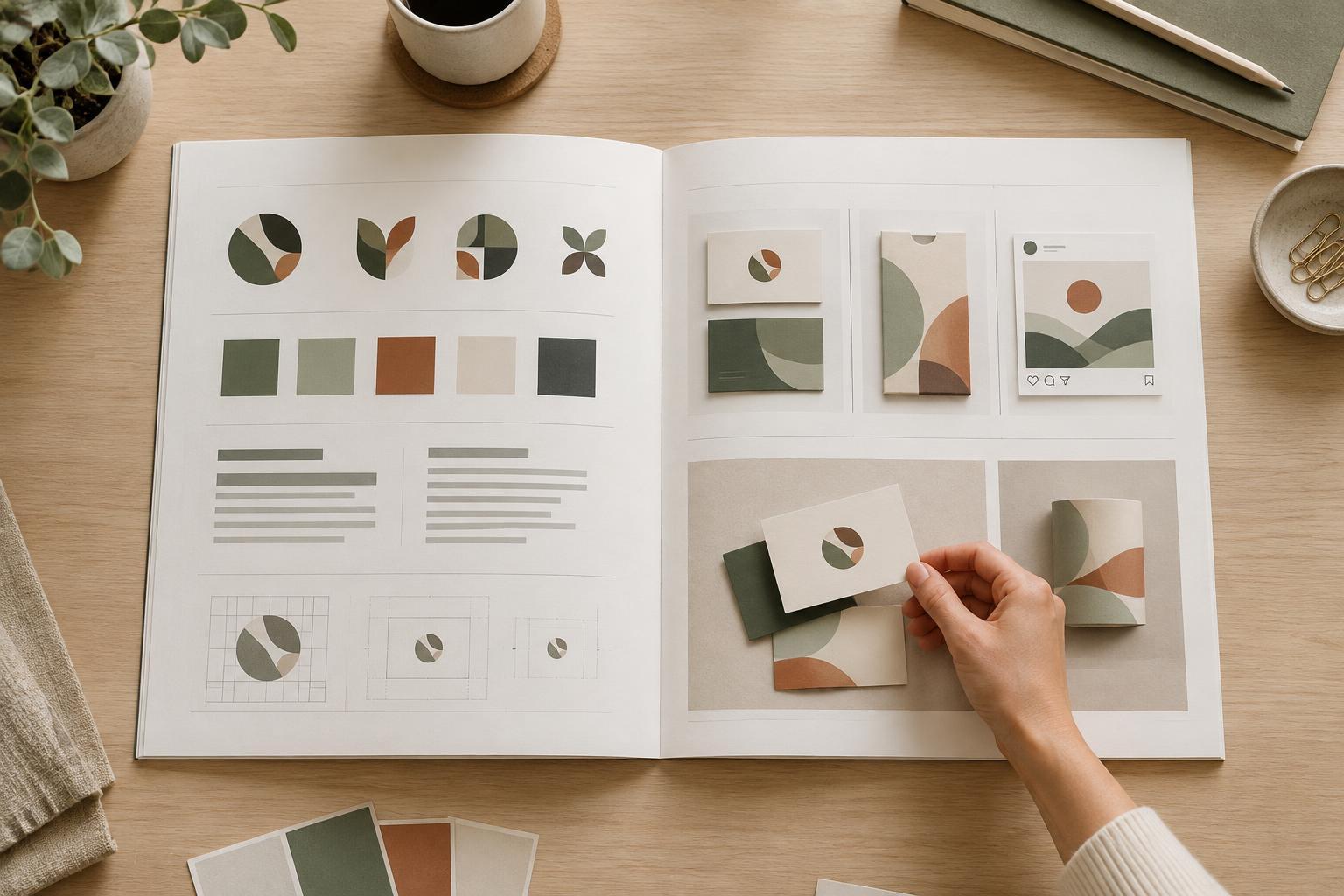
UniqueYou was founded in 2014. It began with scarves and clothing, paused, and later returned after recovering its domain. That history is worth stating plainly: the founding date is part of the identity, not a claim of uninterrupted trading. The original brown wordmark includes a horse motif and the words Since 2014, while a neutral taupe palette gives the surrounding identity a restrained setting. These are useful observations for anyone interested in how a small brand makes itself recognisable without asking every product to look identical.
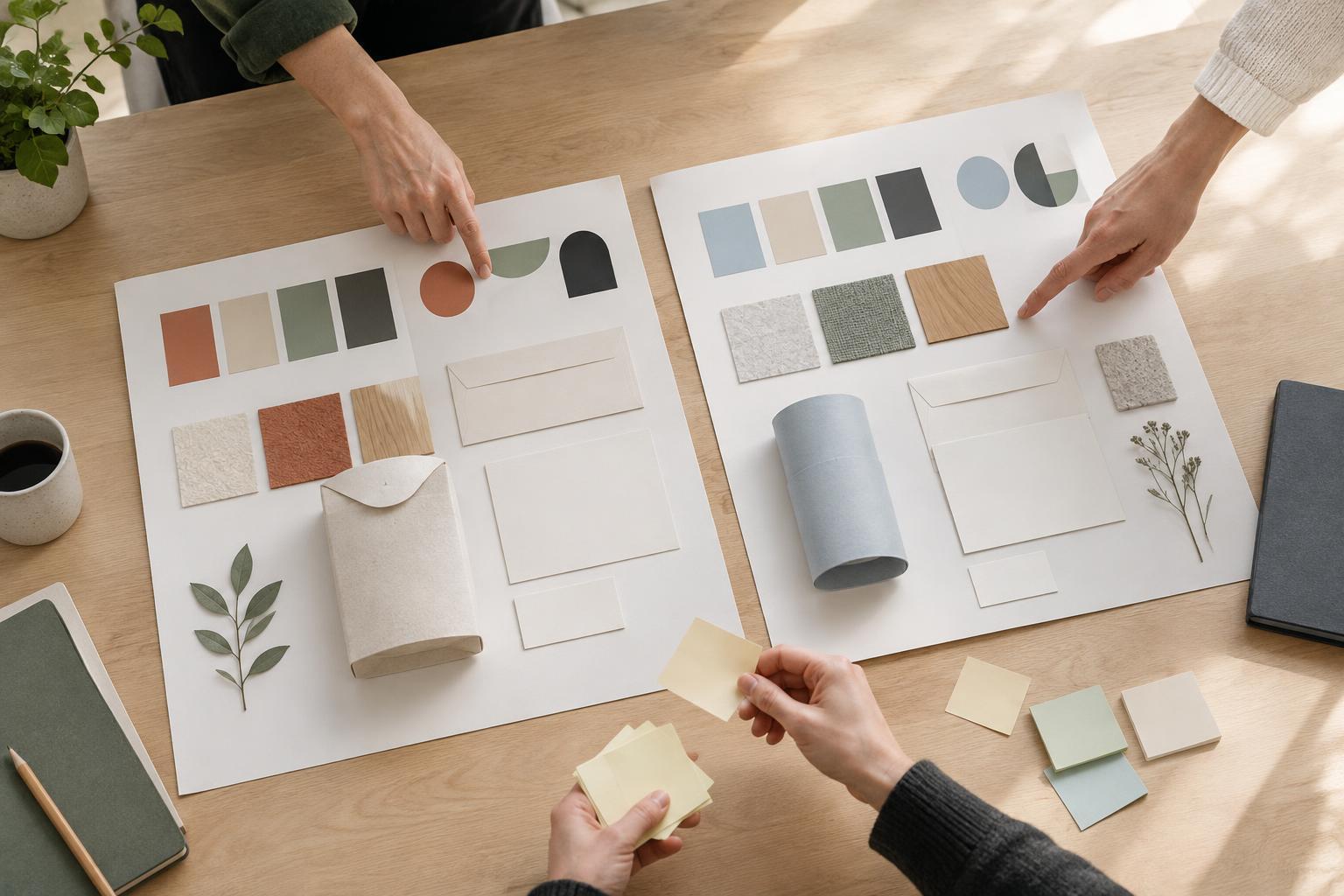
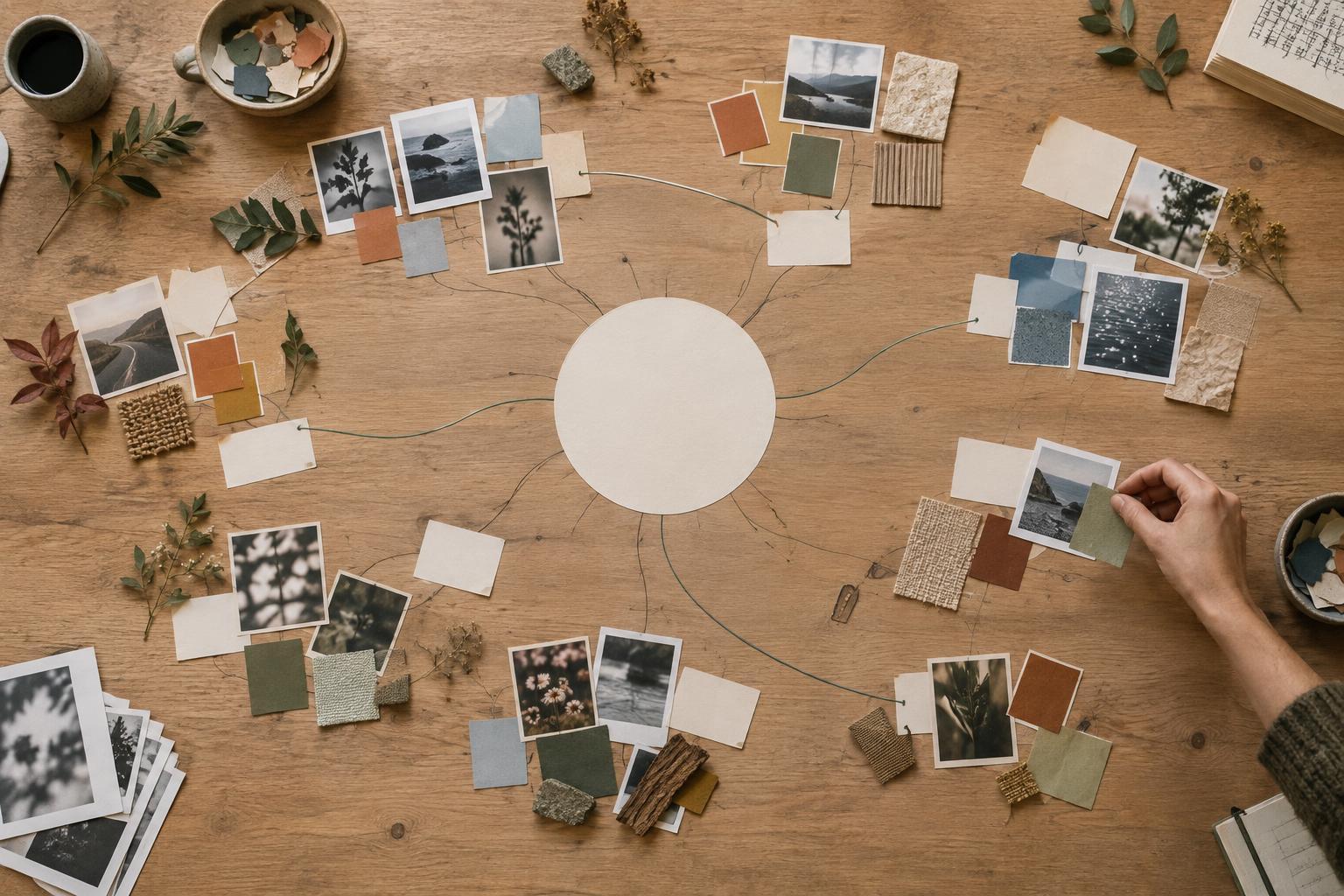
Consider the distinction between a brand’s presentation and your own wardrobe. A taupe background can help a colourful scarf stand out on a page, yet that does not mean taupe is the right colour for every wearer. Treat the identity as a cue to approach the accessories thoughtfully, not as a prescribed outfit. For a small creative team, this is also a useful exercise in visual hierarchy: identify which details belong consistently to the brand, which belong to the particular product, and which must be supplied by the person wearing it.
Choose the shape before the print
Start with the job the accessory needs to do. A square scarf can introduce a compact area of colour at the neck or in the hair. A longer scarf offers more room for a loose loop, while a shawl or wrap can cover more of the shoulders. The names describe different styling possibilities, but a product’s measurements are more helpful than a category name when you need a particular amount of coverage. Compare dimensions with a scarf you already own, or use a tape measure to sketch the approximate shape on a table.
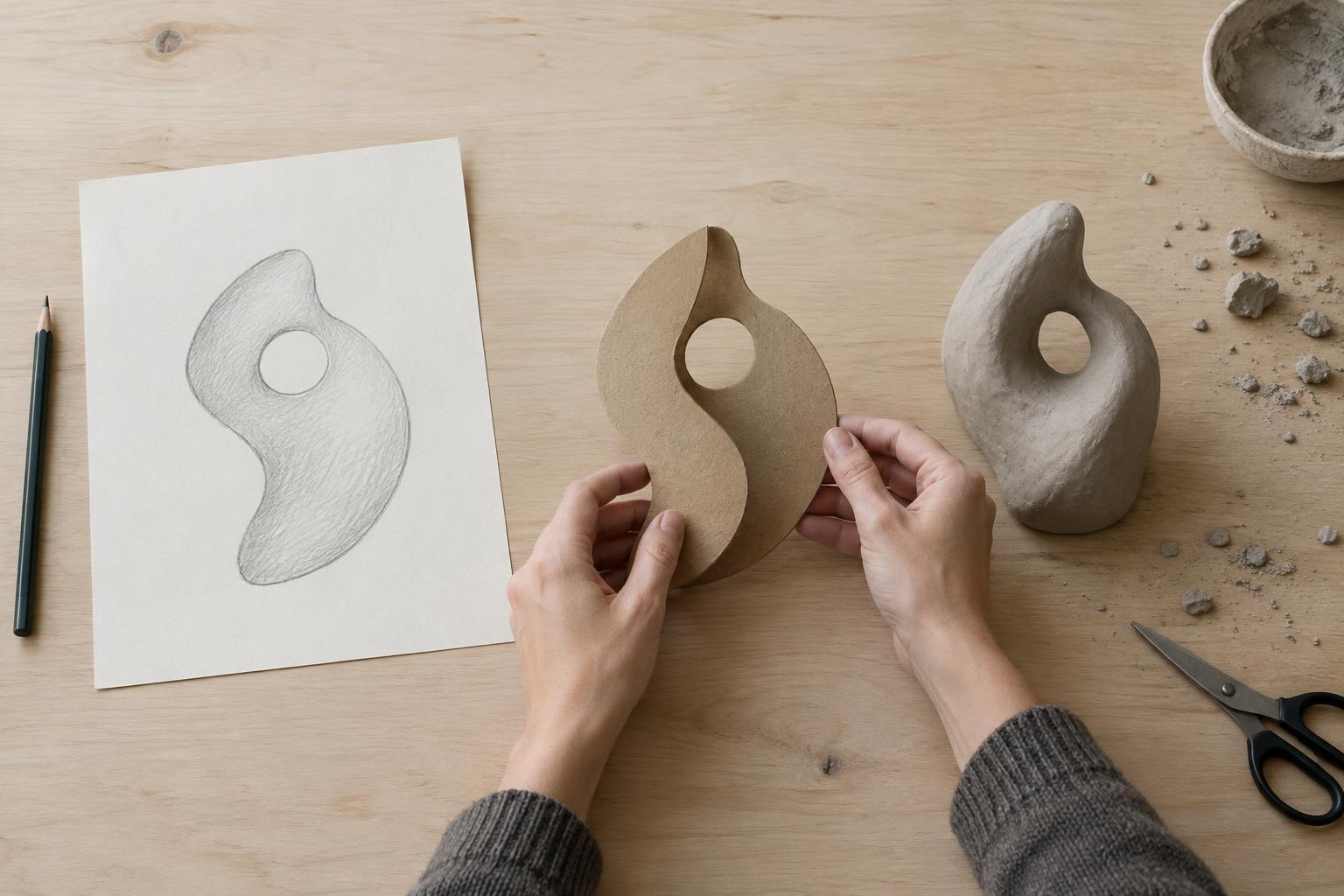
Then picture the movement of an ordinary day. Will the piece sit under a coat collar, rest over a dress, or be removed and put back on between meetings? A style that requires constant adjustment may not be the best match for that routine, even if the first photograph looks appealing. Try a quick paper prototype: fold a sheet or length of fabric into roughly the proposed proportions and test the placement. It will not tell you how a finished material drapes, but it can clarify whether you want a narrow accent, a broad layer or something in between.
Look at materials with product-level care
UniqueYou includes silk, cashmere and wool categories. Those material names are useful signposts, not a substitute for reading the composition of an individual item: composition varies by product. Fibre, weave, weight and finishing can all affect how a scarf feels and falls. If material matters to the wearer, check the particular product description and care information before choosing. It is more responsible to ask a specific question about a specific piece than to assume that every item in a named category has the same composition.
Think about texture as part of the outfit’s visual language. A smooth-looking surface can make an interesting counterpoint to a textured knit; a softer-looking layer can reduce the sharpness of a structured coat. These are styling observations, not promises about how a product will feel in person. When evaluating images, look for how the scarf behaves at a fold, how much volume it adds near the collar and whether the edges remain visible. If the photographs leave a crucial question unanswered, keep that question on your shortlist rather than filling the gap with an assumption.
Build a colour relationship you can explain
A practical palette exercise needs only four or five garments. Put a coat, two tops and a favourite bag or pair of shoes together, then write down the recurring neutrals and the colours that appear only once. A scarf can echo an existing accent to make an outfit feel connected, or it can introduce a new accent against otherwise quiet clothing. Neither approach is automatically better. The useful test is whether you can name at least two outfits in which the proposed colour has a role, rather than imagining only one perfect photograph.
Pay attention to colour placement as well as colour choice. A red accent near the face will read differently from a red detail at the edge of a large wrap; a pale scarf against a pale coat may rely on texture rather than contrast. If choosing a print, identify its dominant colour from a normal viewing distance and its smaller accents at close range. That distinction helps when matching an existing wardrobe: the dominant colour has to live with the coat, while a minor accent might quietly connect to a bag, button or earring.
Style by editing, not by adding everything
Creative work often improves when one element is allowed to lead. The same principle helps with scarves. Try a square scarf with a plain shirt and leave the neckline otherwise uncluttered; place a broader wrap over a simple dress; or put a long scarf beside a structured coat so its folds soften the outline. Make one change at a time and take a quick photograph from a few steps away. A close-up can flatter a pattern, but the wider view reveals whether the accessory belongs to the whole outfit.
There is no need to settle on one permanent way to wear a piece. A scarf tied close to the neck has a different visual weight from the same scarf left loose. Hair, collars and bag straps also affect the composition. If a styling idea feels too busy, remove one competing element before discarding the scarf itself. The aim is not to create a flawless editorial image for everyday life; it is to find a repeatable combination that feels natural when walking, sitting and moving between the settings where the wearer actually spends time.
Give with the recipient’s habits in mind
A scarf is often considered as a gift because it does not require the same fit decisions as a tailored garment. That does not make the choice automatic. Notice what the recipient already reaches for: compact neckwear or generous layers, clear colours or muted ones, prints or solids. If you can, look at a few real outfits rather than relying on a vague description of their style. The most thoughtful gift may reinforce a familiar preference; a small departure can be welcome, but a dramatic change should have a reason grounded in the person.
For an independent creator or small team planning a gift, a one-page decision brief can help. Write down the intended use, two existing garments it could accompany, a preferred colour range and any material questions that need checking. This keeps the decision about the recipient rather than the giver’s favourite image. If the piece is for a particular occasion, consider what happens afterward: can it join ordinary clothes once the event is over? A gift that works beyond a single outfit has a clearer place in the wardrobe, even if the final choice remains personal.
Use photographs as evidence, not as instructions
Product photography is most helpful when you read it as a set of clues. Look for a view of the full shape, a closer view of the pattern and an image showing the piece worn. Each answers a different question: proportion, detail and styling. Do not ask one image to answer all three. Lighting, screen settings and surrounding colours can change the apparent shade, so compare several views when available and avoid making a precise colour judgement from a single cropped picture.
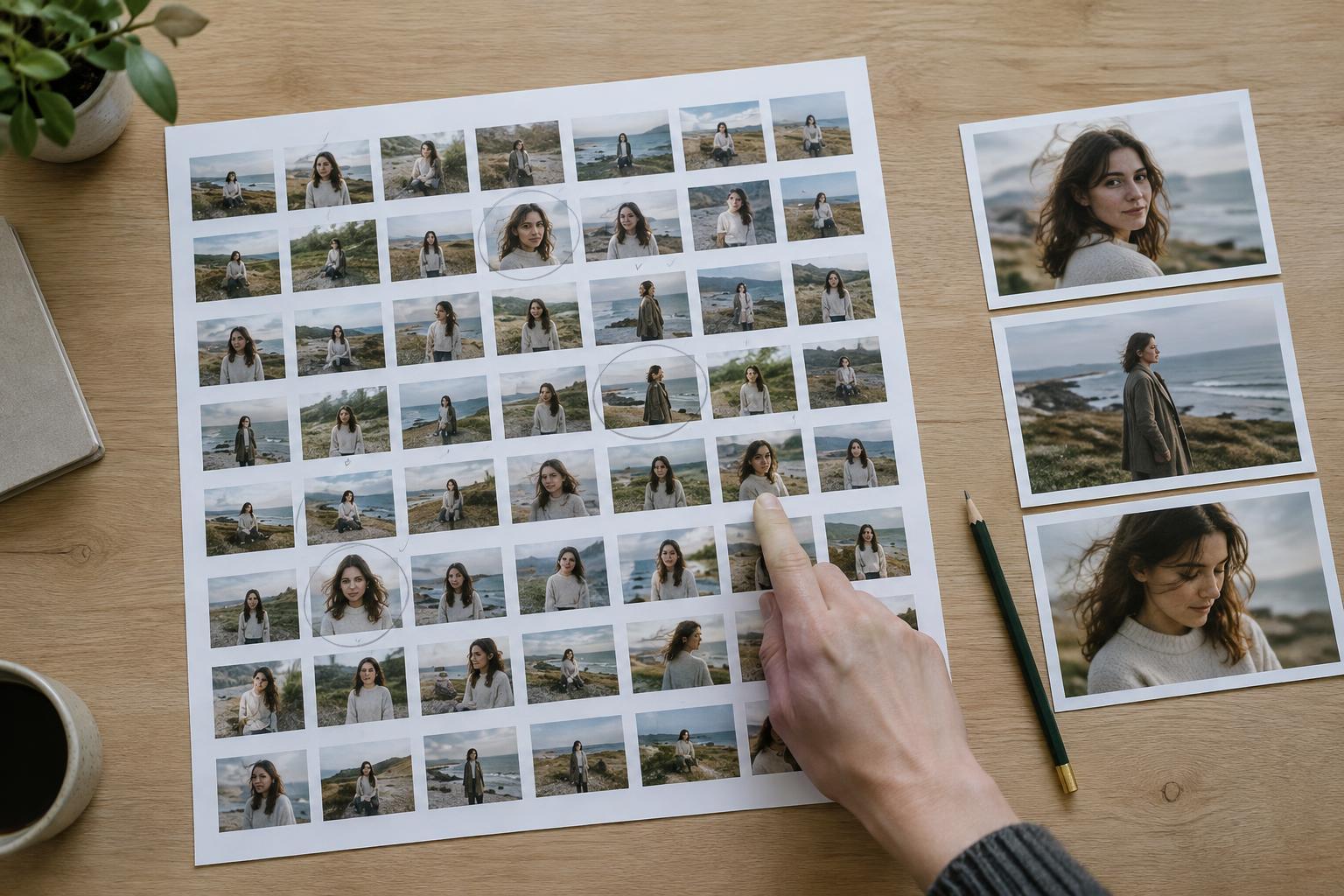
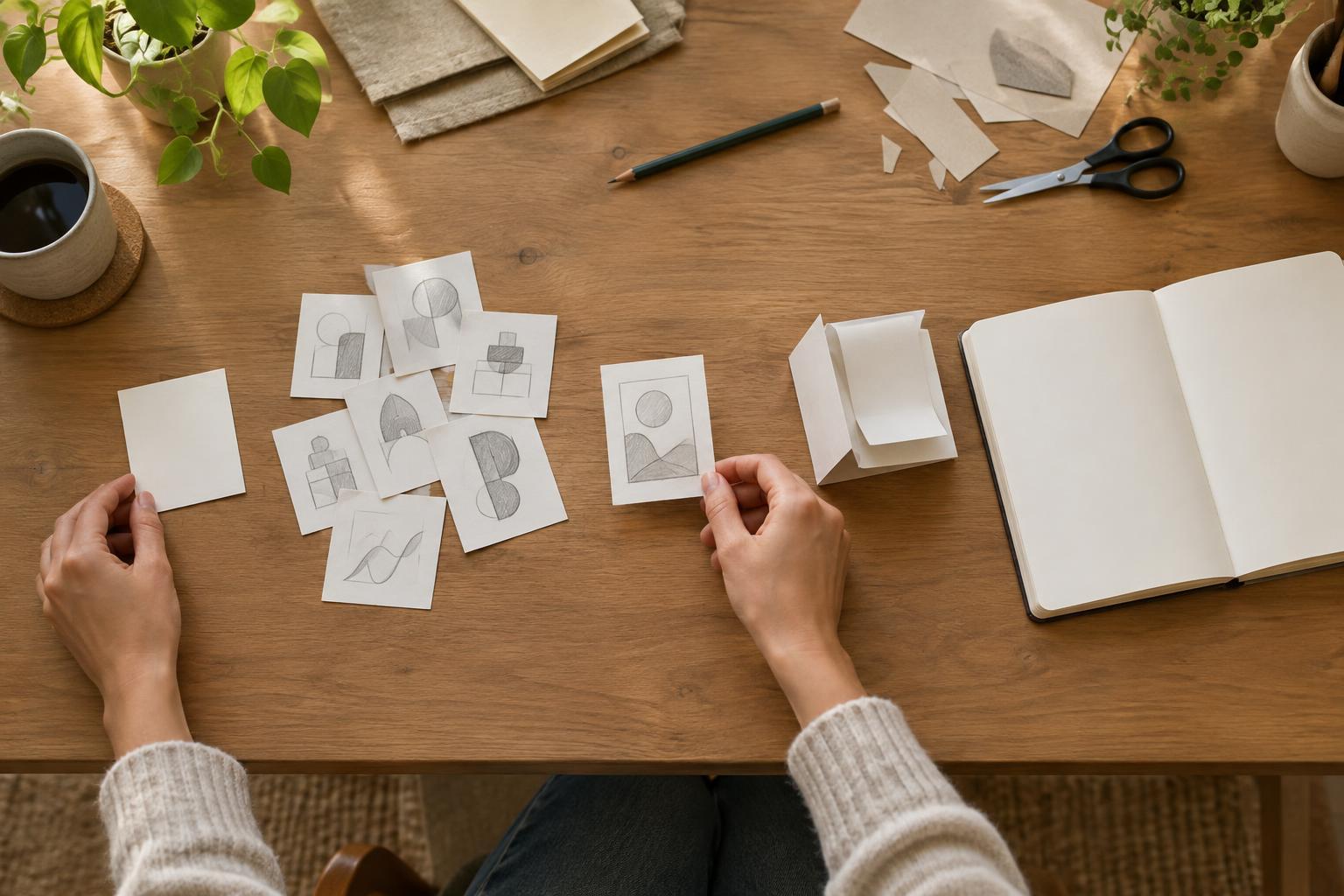
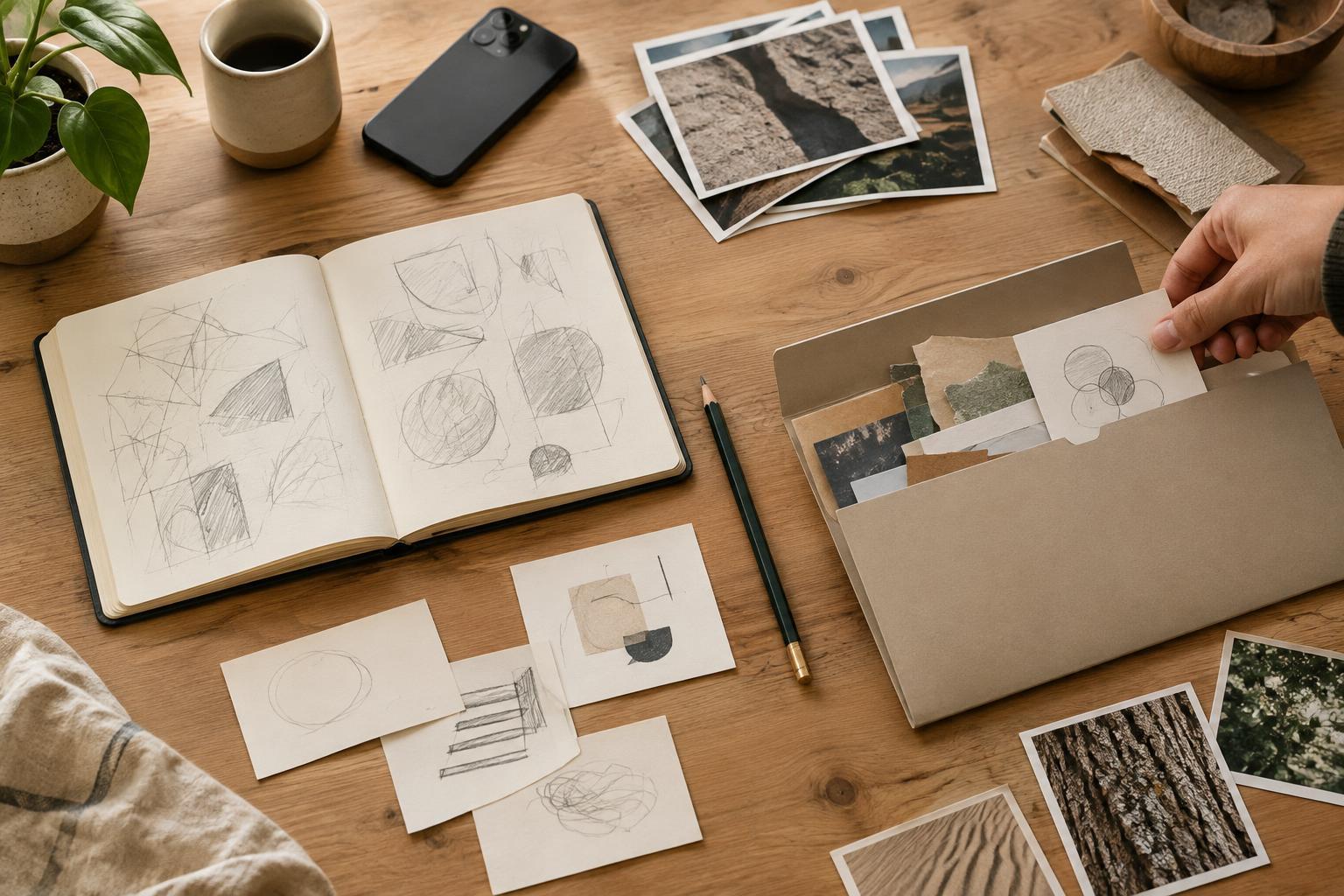
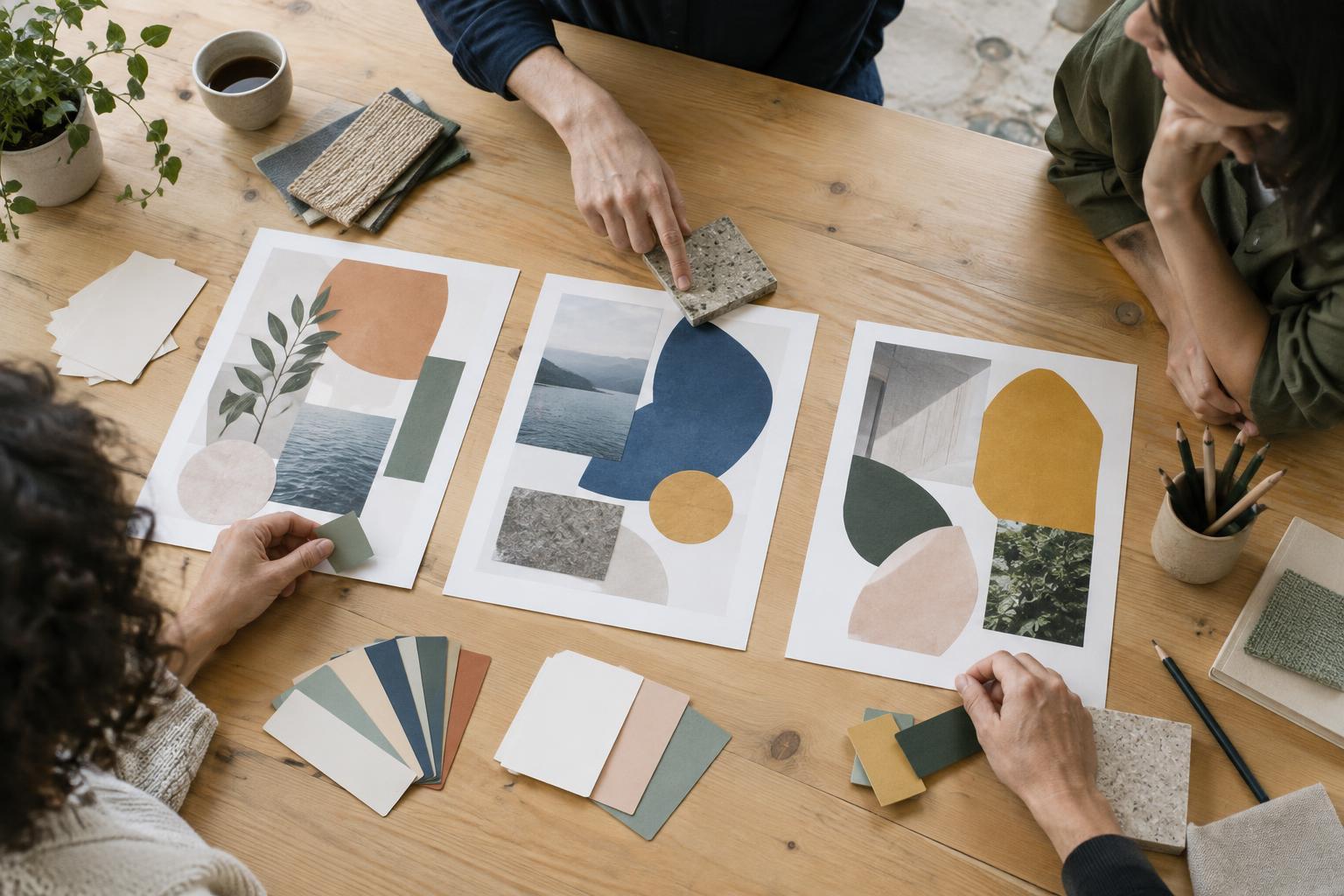
This is a useful creative-method exercise in its own right. Make a small contact sheet of candidate accessories alongside photographs of the clothes they might accompany. Keep the images at similar sizes so one dramatic close-up does not dominate the comparison. Mark what you know, what you infer and what you still need to check. That separation is especially valuable in collaborative decisions: it lets two people discuss a colour or shape without confusing a visual impression with a verified material detail.
Make a shortlist with a clear next step
Before choosing, reduce the options to two or three distinct roles: perhaps a quiet everyday layer, a colourful accent and a larger piece for shoulder coverage. Comparing roles is easier than comparing a long sequence of attractive images. For each candidate, record its likely outfit partners, the shape you need and any product-level details to confirm. If two scarves do essentially the same job, keep the one that connects more naturally with what the wearer already has.
UniqueYou has 20 regional domains, 21 regional-language versions and 16 distinct languages. Those numbers differ because countries can share a language, while one country can have more than one language version. The United Arab Emirates has an Arabic root version and an English /en version on the same regional domain. The guide below identifies each destination language before its links, so readers can choose a relevant route without assuming that a country name alone settles the language of the page.
Regional guide: choose a country and destination language
Use this guide as a navigation aid, not as a claim that every item has the same composition or availability in every place. Each entry names the destination language and describes the kind of page its links lead to. Some countries share a language, including Germany and Austria, while the two United Arab Emirates entries use one regional domain with different language paths. For a material or size decision, read the details on the individual product you are considering.
Poland — Polish
For the Polish-language UniqueYou home, start at UniqueYou. The Polish-language square-scarf collection is at UniqueYou, a useful direction when the aim is a small accent rather than broad shoulder coverage. Compare the proportions of a square scarf with the collars and necklines the wearer uses most often; a compact shape can be versatile without needing to carry every outfit on its own.
Germany — German
The German-language UniqueYou home is UniqueYou, and the German-language general scarf collection is UniqueYou. For the German-language merino-wool scarf collection, use — https://uniqueyou-store.de/collections/schals-aus-merinowolle. Treat the material category as a starting point: check the individual product composition and dimensions before deciding whether its scale and texture suit a familiar coat.
Czechia — Czech
Begin at the Czech-language UniqueYou home UniqueYou, then consider the Czech-language cashmere-shawl collection UniqueYou if a broader layer is the goal. For the Czech-language collection of scarves for the head and hair, use — https://uniqueyou.cz/collections/satky-na-hlavu-a-do-vlasu. These are different styling briefs; decide whether the recipient wants shoulder coverage or a smaller detail near the face before comparing patterns.
Spain — Spanish
The Spanish-language UniqueYou home is UniqueYou. Its Spanish-language cashmere-scarf collection is UniqueYou, a direction to explore when comparing scarves by material category. Keep the choice grounded in everyday outfits: consider whether the likely colour works with a well-worn jacket, not just with the garment shown beside it in a styled image.
France — French
For the French-language UniqueYou home, visit UniqueYou, or use the French-language stole collection at UniqueYou when exploring a broader silhouette. For the French-language leopard-pattern scarf collection, use — https://uniqueyou.fr/collections/echarpes-leopard. A print can be the focal point of an outfit; try it against plain pieces first, then decide whether its smaller colours connect with accessories already in the wardrobe.
Hungary — Hungarian
The Hungarian-language UniqueYou home is UniqueYou, and the Hungarian-language cashmere-shawl collection is UniqueYou. For the Hungarian-language scarf collection, use — https://uniqueyou.hu/collections/kendok. If selecting a gift, separate the question of material category from the question of shape. The recipient may enjoy one texture but reach more often for another size or way of tying a scarf.
Italy — Italian
Start with the Italian-language UniqueYou home UniqueYou. The Italian-language cashmere-scarf collection is UniqueYou; for the Italian-language wool-scarf collection, use — https://uniqueyou.it/collections/sciarpe-in-lana. Compare specific items rather than treating the two category names as complete descriptions. Measurements, product composition and the visible amount of fabric matter when choosing a piece to sit beneath a particular coat.
Romania — Romanian
The Romanian-language UniqueYou home is UniqueYou, while the Romanian-language red-scarf collection is UniqueYou. Red can function as a deliberate focal point beside dark neutrals or connect to a smaller colour already present in an outfit. Before choosing a shade, look at the recipient’s coats and tops in daylight and consider how much red they would enjoy wearing near the face.
Slovakia — Slovak
For the Slovak-language UniqueYou home, use UniqueYou; for the Slovak-language cashmere-shawl collection, use UniqueYou. The Slovak-language neck-scarf collection is reached through — https://uniqueyou.sk/collections/satky-na-krk-1. Compare those roles before choosing: a broad layer and a compact neck detail may both be appealing, but they answer different wardrobe needs and make different demands on styling.
Finland — Finnish
The Finnish-language UniqueYou home is UniqueYou, and the Finnish-language white-scarf collection is UniqueYou. A white or near-white accessory can make an outfit feel lighter, but its effect depends on the colours and textures around it. Place the intended coat beside a pale top to see whether the scarf should create visible contrast or a softer transition between layers.
Sweden — Swedish
Use UniqueYou for the Swedish-language UniqueYou home and UniqueYou for its Swedish-language scarf collection. When browsing a broad category, start with the shape you can picture wearing rather than a print that catches the eye in isolation. Note whether the scarf needs to fit under a collar, remain visible over a coat or work in both settings.
Denmark — Danish
The Danish-language UniqueYou home is UniqueYou, and its Danish-language large-scarf collection is UniqueYou. A larger piece can change an outfit’s overall silhouette as well as add colour. Estimate the coverage you want and compare measurements against a familiar accessory; that simple exercise is more reliable than assuming all scarves described as large will wear the same way.
Belgium — Dutch
For Belgium’s Dutch-language UniqueYou home, go to UniqueYou; the Dutch-language red-scarf collection is UniqueYou. Dutch is also used for the Netherlands entry, so choose the country destination as well as the language. If red appeals as a gift, consider whether the recipient wears it as a small accent already or would prefer a stronger new focal point.
Austria — German
The Austrian German-language UniqueYou home is UniqueYou, with a German-language silk-neck-scarf collection at UniqueYou. For the Austrian German-language merino-wool scarf collection, use — https://uniqueyou.at/collections/schals-aus-merinowolle. Germany also has a German-language destination, but this entry is for Austria; check the product you select rather than transferring assumptions about composition from one category to another.
Netherlands — Dutch
The Netherlands Dutch-language UniqueYou home is UniqueYou, and its Dutch-language wrap collection is UniqueYou. A wrap may be considered when an outfit needs a broader layer rather than a narrow accent. Lay a favourite coat or dress on a chair and picture where the wrap would sit; the best choice should work with the garment’s existing lines, not conceal every detail that makes it appealing.
United States — English
The United States English-language UniqueYou home is UniqueYou, and the English-language cashmere-wrap collection is UniqueYou. For the United States English-language wool-scarf collection, use — https://uniqueyou-store.com/collections/wool-scarves. These pages offer different starting points for a larger layer or a scarf; read each product’s particulars instead of inferring composition or drape solely from the category name.
United Arab Emirates — Arabic
The United Arab Emirates Arabic-language UniqueYou home is UniqueYou. This is the Arabic root version on the regional domain; an English /en version has its own entry below. If shopping or sharing ideas with someone who reads Arabic, begin with the language they prefer, then compare individual shapes, colours and product details against the wardrobe brief you have prepared.
United Arab Emirates — English
The United Arab Emirates English-language UniqueYou home is UniqueYou. This is the English /en version on the same regional domain whose root version is Arabic. The language distinction matters when sending a recommendation to a friend or collaborator: give them a page they can comfortably read, and keep the actual accessory decision tied to their existing clothes and preferences.
Ireland — English
The Ireland English-language UniqueYou home is UniqueYou, and its English-language red-scarf collection is UniqueYou. If red is the candidate accent, try identifying two outfits it could join: perhaps a neutral coat and a simpler everyday top. That small test helps distinguish a colour the recipient will reach for from one that only looks compelling in a single photograph.
United Kingdom — English
For the United Kingdom English-language UniqueYou home, use UniqueYou. Its English-language shawl collection is UniqueYou; for the United Kingdom English-language neckerchief collection, use — https://uniqueyou.uk/collections/neckerchiefs. Those shapes make different statements at different scales. Start by asking whether the wearer wants coverage across the shoulders or a compact detail around the neckline.
Portugal — Portuguese
The Portuguese-language UniqueYou home for Portugal is UniqueYou, and the Portuguese-language cashmere-scarf collection is UniqueYou. For the Portuguese-language red-scarf collection, use — https://uniqueyou.pt/collections/cachecois-vermelhos. One route begins with a material category and the other with colour; whichever is more useful for your brief, confirm the individual product details and imagine it with clothes the recipient already wears.
The strongest scarf choice is rarely the most elaborate one. Choose a role, check the individual piece, and let it make an existing wardrobe feel more distinctly its owner’s.