Start with the problem, not the comparison
An analogy connects one situation to another. In creative work, that connection can make a familiar problem easier to see afresh. A small team planning a visual identity, for example, might ask, “What if this identity worked like a welcoming guide?” The question does not supply a finished logo. It suggests qualities to explore: clear directions, a reassuring tone and recognizable markers along the way.
Before looking for comparisons, write down the problem in one sentence. “Our event materials need to help first-time visitors find their way” is more useful than “We need something fresh.” Then name the constraint or tension: perhaps the materials must feel lively without becoming hard to read. A specific problem gives an analogy something to work on; otherwise, it may produce interesting imagery without improving the design.
Choose analogies that offer useful behavior
Look beyond objects that resemble the thing you are making. A website does not need to look like a library to borrow the library’s useful behavior: clear organization, browseable shelves and signs that help people orient themselves. Similarly, a photo series might borrow the rhythm of a conversation, with opening images that invite attention, closer views that add detail and a final image that leaves space for reflection.
Try generating three kinds of comparison. Choose one from nature, one from a service or everyday place, and one from a different creative medium. For a workshop about sharing unfinished ideas, you might consider a garden, a community kitchen and a rehearsal. Each offers different possibilities: tending ideas over time, contributing ingredients or trying something before an audience arrives. Select the analogy that best addresses your stated tension, not the one that sounds most poetic.
A productive analogy has both a strong connection and clear limits. “A workshop is a rehearsal” may encourage low-stakes experiments and useful feedback, but participants are not performers who need to impress a director. Noting that difference prevents the comparison from quietly dictating the wrong kind of experience.
Translate the comparison into decisions
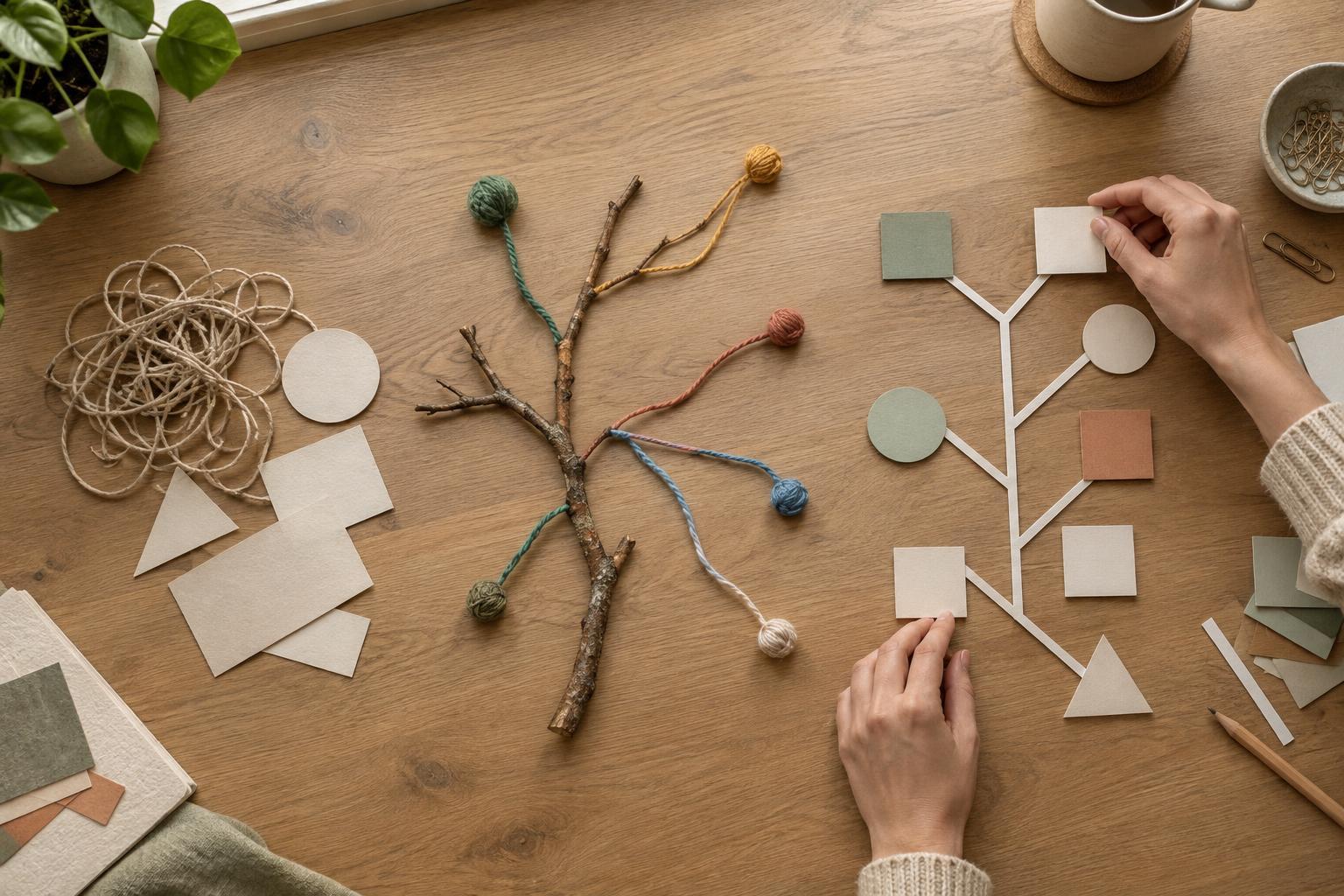
To move from metaphor to method, make a two-column list. On one side, write observable features of the comparison. On the other, describe a possible design or process decision. If a visual identity is a guide, “points out landmarks” could become a consistent wayfinding symbol; “speaks plainly” could shape the language of labels and instructions. Keep each translation concrete enough that someone could sketch, write or prototype it.
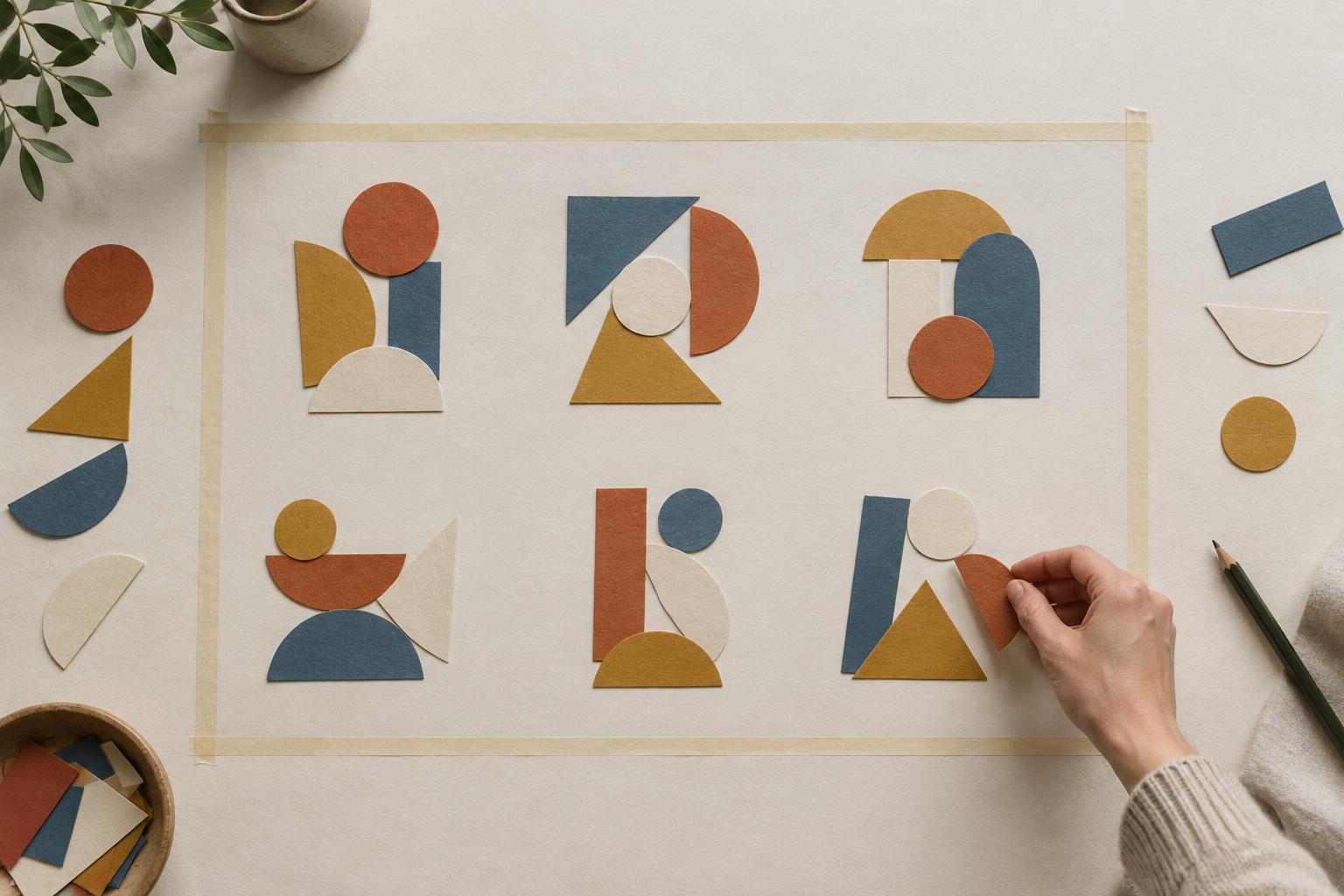
Next, make two or three variations rather than committing to the first interpretation. A guide might be warm and conversational, quiet and precise, or bold and energetic. Those versions could lead to different typography, color relationships and image choices while serving the same purpose. Comparing variations helps you find out which qualities matter to the project, rather than treating the analogy as a style prescription.
You can also translate an analogy into a workflow. If a project behaves like a conversation, build in a point where collaborators respond to an early proposal before anyone polishes it. If it behaves like a map, begin by identifying what the audience needs to locate or understand. The comparison becomes valuable when it changes what you make or what you do next.
Test the idea against its real use
An analogy is a prompt, not evidence that a solution works. Put the resulting idea beside the original problem and ask what has improved. For the event materials, can a visitor spot the most important information quickly? Do the signs make sense without a designer explaining the “guide” concept? If the answer is no, revise the design even if the comparison still feels compelling.
A quick test can be modest. Show a rough layout to a colleague who has not heard the analogy and ask what they notice first and what they would do next. For a workshop plan, walk through the activities from a participant’s point of view: where might someone hesitate, and when are they invited to contribute? Focus on what people can understand and use, not whether they can guess your inspiration.
If the analogy starts to limit the work, let it go. Keep the useful decision it produced and discard the rest. A “garden” comparison might suggest leaving room for ideas to develop, for instance, without requiring plant motifs on every page. The goal is a stronger response to the problem, not a perfectly sustained metaphor.
Make analogy a repeatable team exercise
For a short group exercise, give everyone the same one-sentence problem and five minutes to propose comparisons individually. Invite each person to explain one analogy in terms of behavior: “This could work like a trail because it needs clear markers at decision points.” Record the proposed behaviors, then choose one or two to translate into sketches, sample copy or a rough sequence.
Individual thinking time helps a group collect more than the first idea voiced aloud. During discussion, ask “What does this help us solve?” and “Where does it break down?” These questions make room for unusual suggestions without treating every suggestion as equally useful. End by naming one decision to try and one question to test. That small commitment turns a change of perspective into progress on the project.