Start before you know what to say
A blank page can make a creative task feel bigger than it is. You may be trying to find an idea, judge whether it is good and explain it clearly at the same time. Freewriting separates those jobs. For a short, fixed period, you write without editing. You are not producing a finished statement; you are making rough material that you can inspect afterward.
The method is useful when a brief feels broad, a visual direction is hard to describe or a project has stalled between possibilities. It can help an independent creator name a starting point or give a small team something concrete to discuss. It will not solve every creative problem in ten minutes, but it can replace the pressure to have a complete answer with the simpler task of noticing what is already on your mind.
Set up a useful ten minutes
Choose one project or question, then put it at the top of a page. A prompt should be specific enough to keep you near the work but open enough to invite unexpected thoughts. Try “What should someone understand after seeing this identity?” or “What feels unresolved about this photo series?” If you have no brief yet, start with “What am I curious to make, and why?”
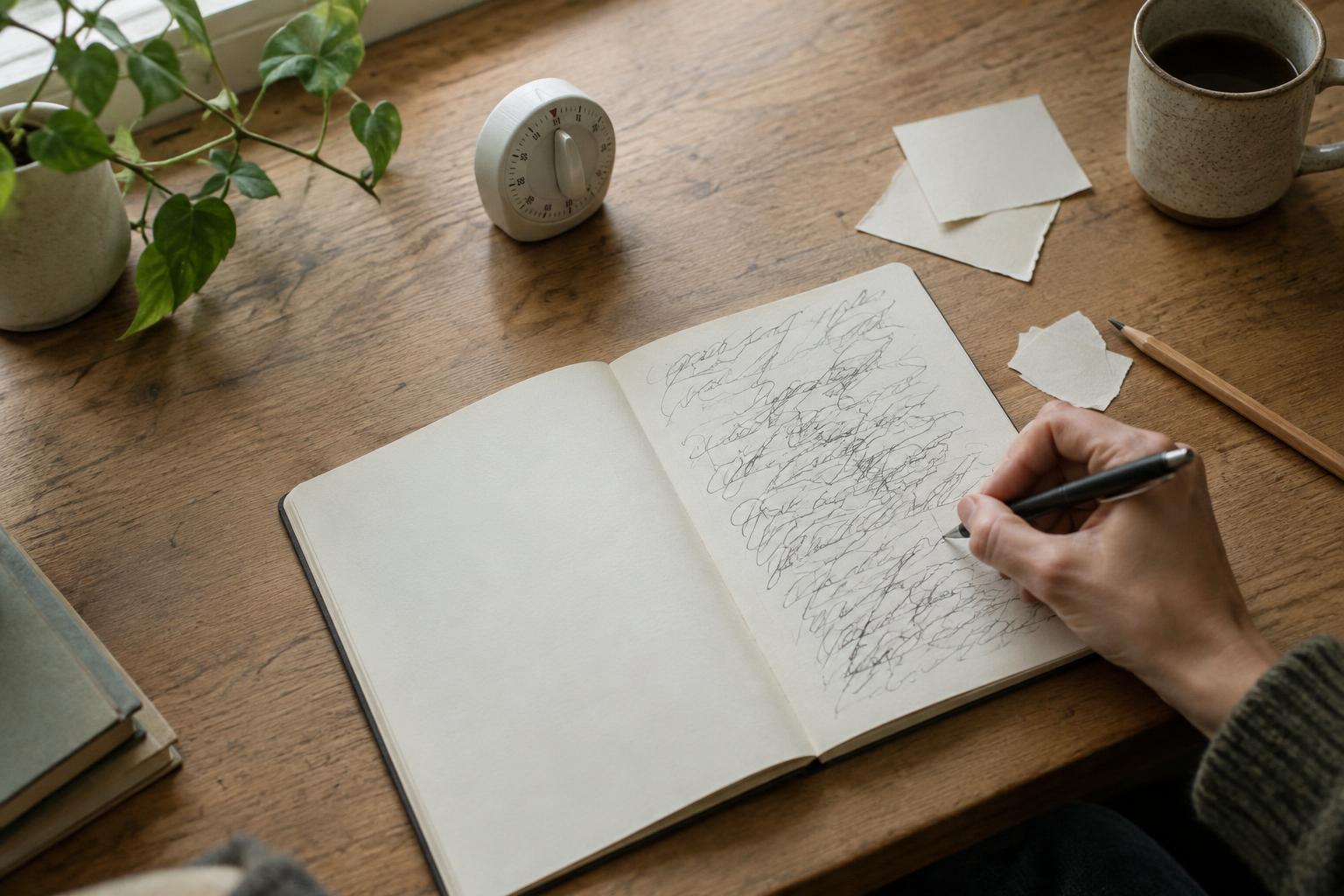
Set a timer for ten minutes and write continuously until it ends. Use a notebook or a document—whichever makes it easiest to keep moving. Do not correct sentences, reorganise points or stop to search for the right word. If you get stuck, write “I’m stuck because…” and continue from there. You can repeat the prompt, list fragments or describe what you do not want. The only rule is to keep the words moving; nobody else needs to read this draft.
If writing by hand is uncomfortable or impractical, typing or speaking into a private recording can serve the same purpose. What matters is giving yourself a short stretch in which exploration comes before evaluation.
Turn the rough page into a next step
When the timer ends, resist the urge to polish everything. Read your page once and mark three kinds of material: a phrase with energy, a question worth investigating and a concrete possibility you could test. Repetition is worth noticing. If you return to the same image, concern or audience need several times, it may be important to the project even if the wording is messy.
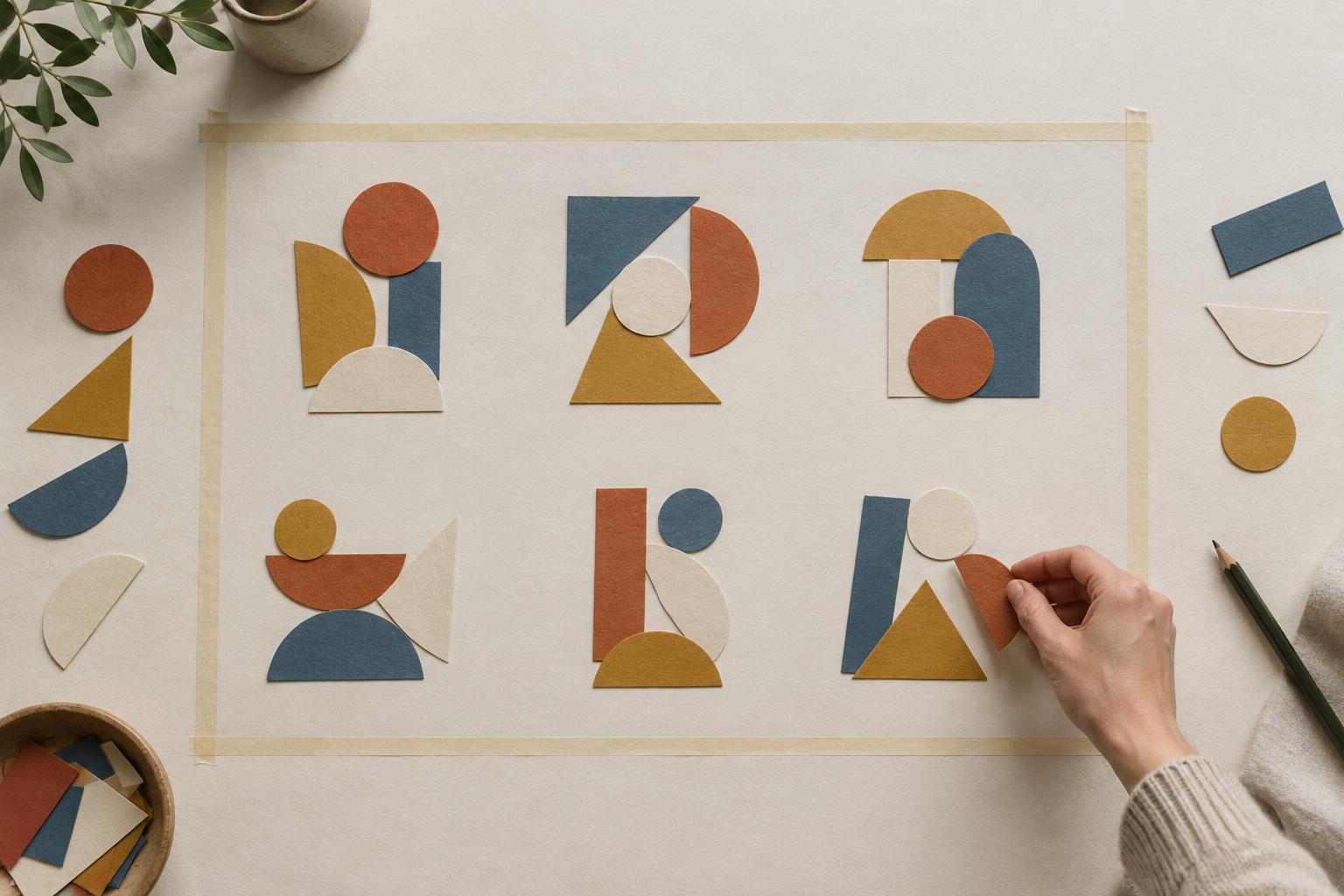
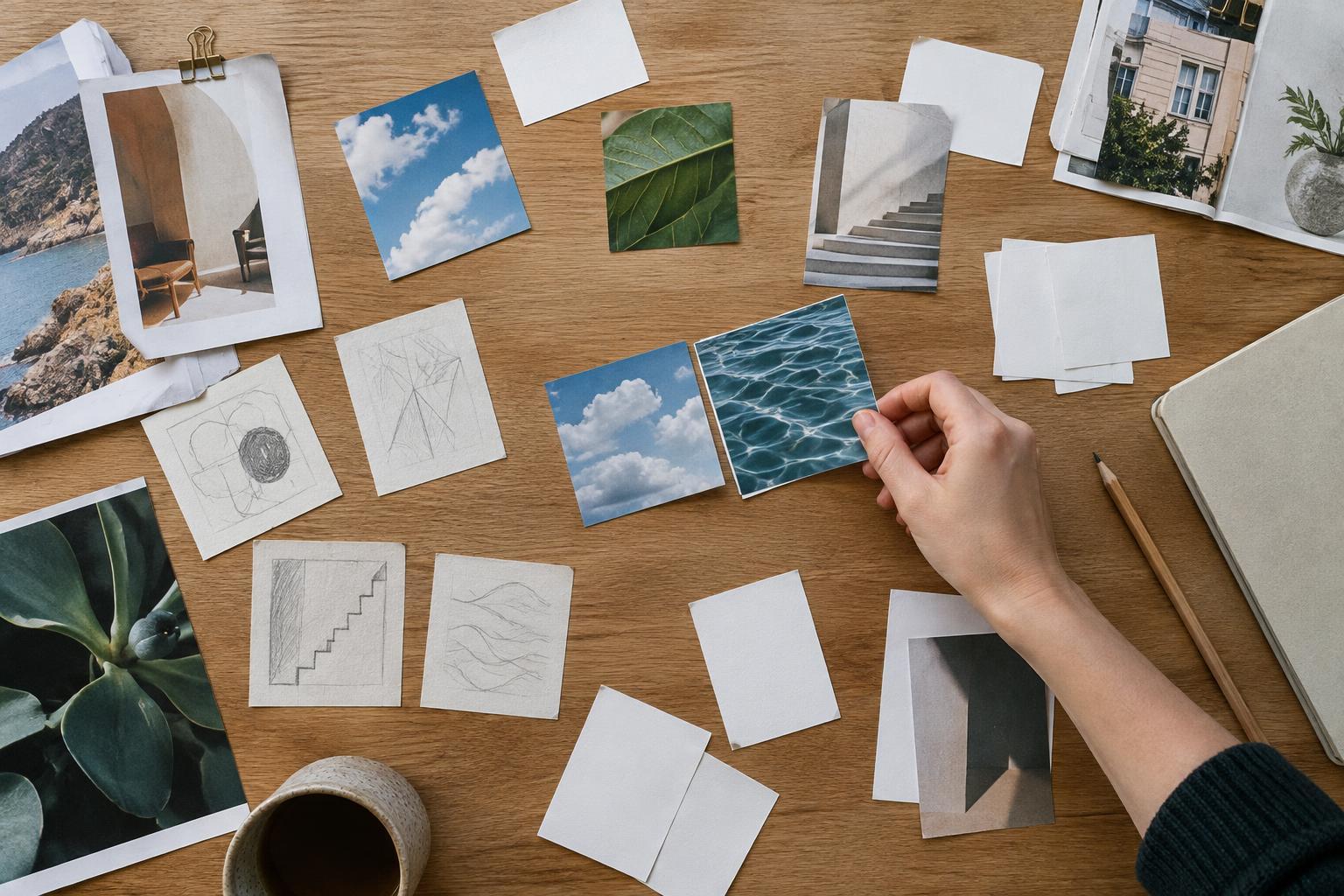
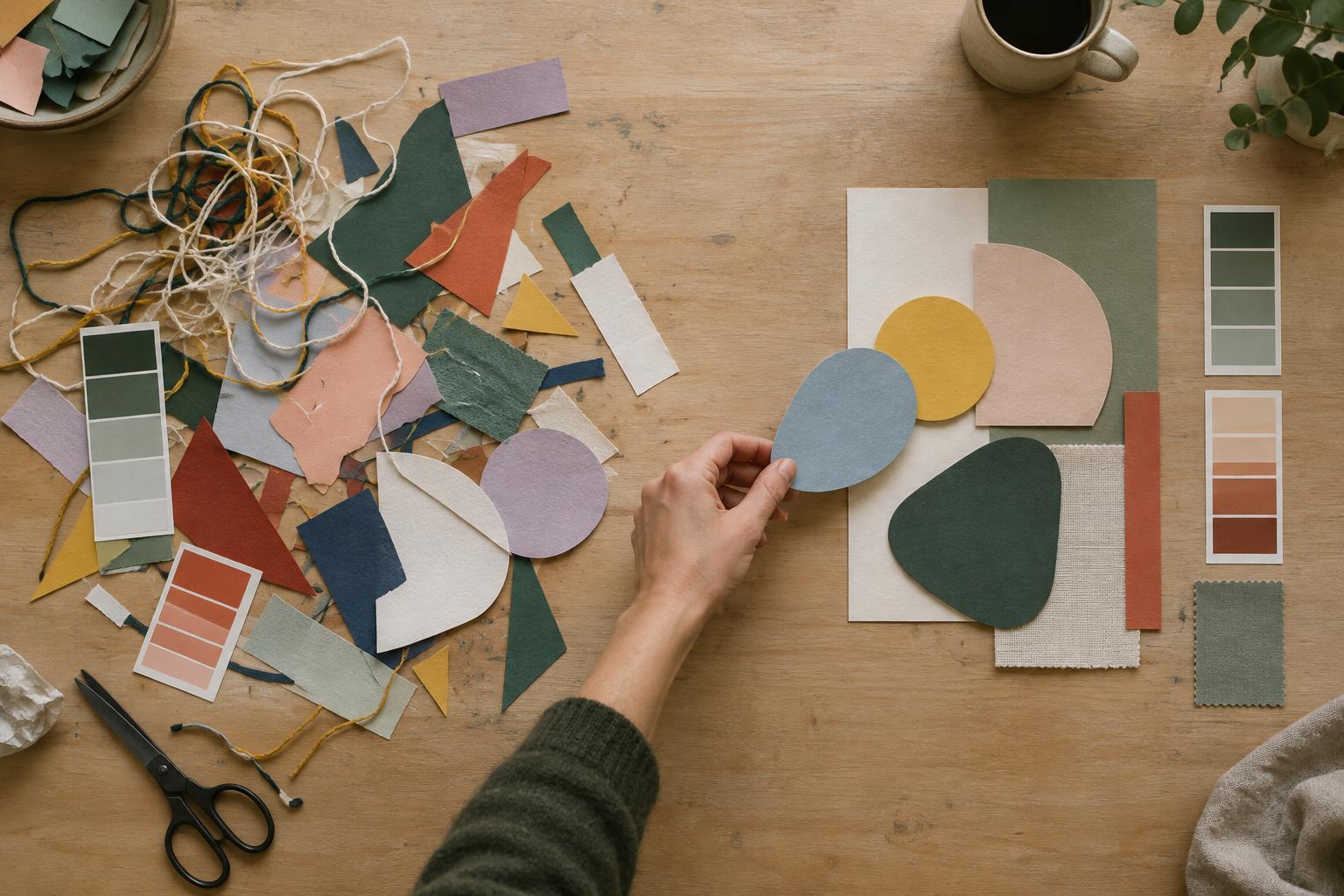
Then write one sentence beginning “The direction I want to explore is…” and one beginning “My next small test is…”. A test might be three thumbnail sketches, a short shot list, two contrasting colour palettes or a conversation with a collaborator. Keep it small enough to do without another planning session. You are not committing to the final direction; you are choosing what to examine next.
If the writing produces several competing ideas, do not force them into one. Give each a short label and choose one to test first. The page has done its job if it helps you make a clearer decision about what to try, even if that decision is to set an idea aside.
What the exercise can look like in practice
Imagine you are developing a visual identity for a neighbourhood workshop. The brief asks for something welcoming, but your first sketches feel generic. You freewrite from the prompt “What would make this place feel welcoming without making it look like every other community space?” Your page wanders through the entrance, the materials people handle, the conversations at a shared table and your worry that cheerful colours alone will feel superficial.
On rereading, you notice a recurring idea: the workshop feels welcoming because people can see work in progress. Your next small test is not a complete logo. It is a set of rough layouts that pair simple type with photographs or drawn details of tools, hands and unfinished objects. That test gives you something to assess against the brief. You might keep it, change it or discover a better direction through making it.
The useful insight did not need to arrive as an elegant sentence. Freewriting gave you room to move from an abstract word—“welcoming”—toward something you could actually show.
Use it alone or bring it into a workshop
For solo projects, try freewriting at a decision point rather than only when you feel blocked. A prompt such as “What is this version doing well, and what is it avoiding?” can make a review more specific. Keep earlier pages if you find them useful, but do not treat them as instructions your project must follow. They are snapshots of your thinking, not a record you have to defend.
In a collaborative workshop, give everyone the same prompt and ten quiet minutes before discussion. Invite each person to share one phrase, question or possible test—not their entire page. Make sharing optional and keep the raw writing private. This can give quieter participants time to form a thought and help the group discuss several directions before settling on one.
Finish by naming an action, an owner and what you hope to learn from the test. Without that final step, freewriting may remain an interesting page of possibilities. With it, ten minutes of rough words can become a practical beginning.