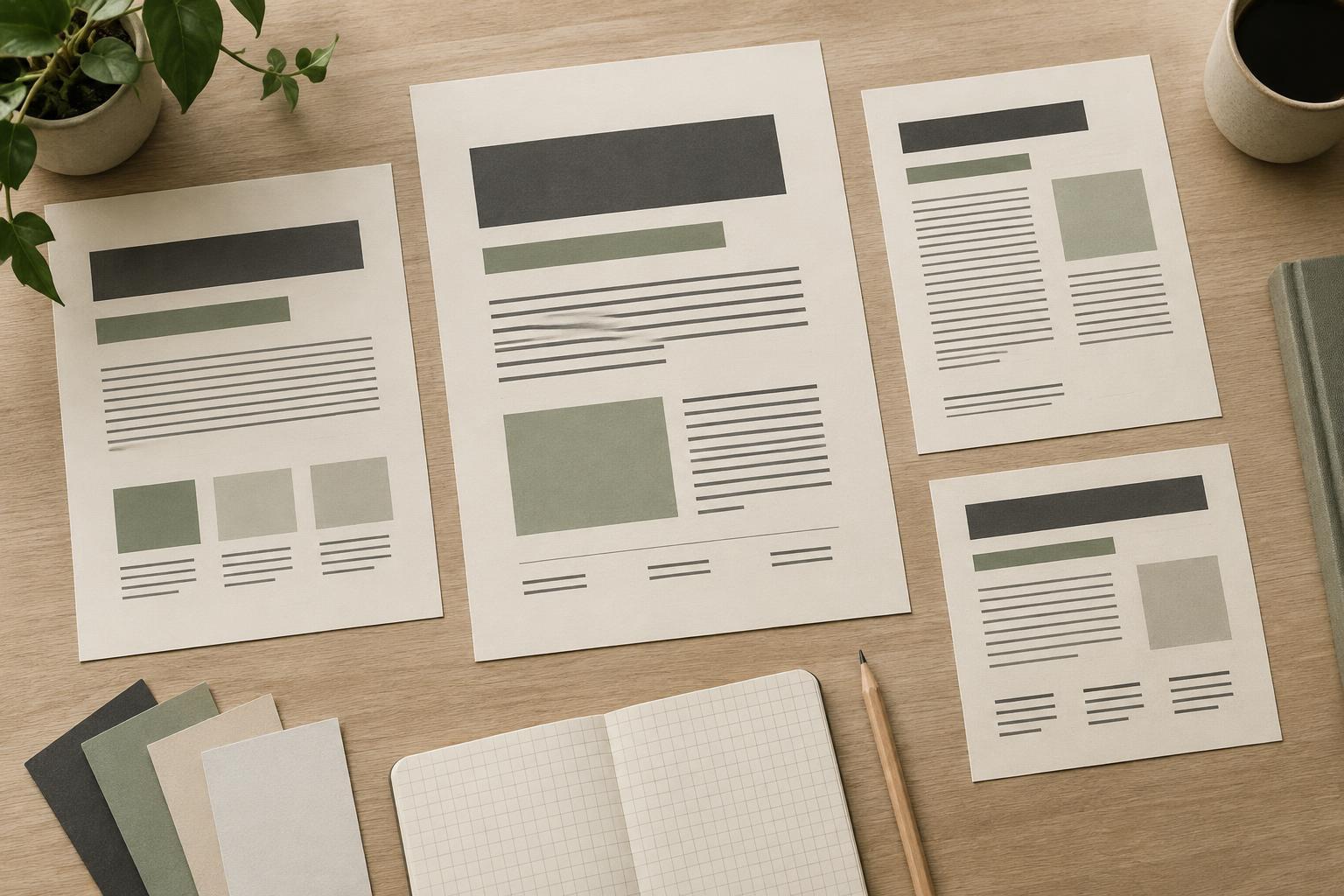
Design and Visual IdentityA useful type hierarchy does more than make headings look different. It helps readers find their way through a message and gives a creative team repeatable decisions for everything from a website page to a workshop handout. This guide shows how to define type roles, test them in real layouts and document a flexible system.
Read article · 4 min↗
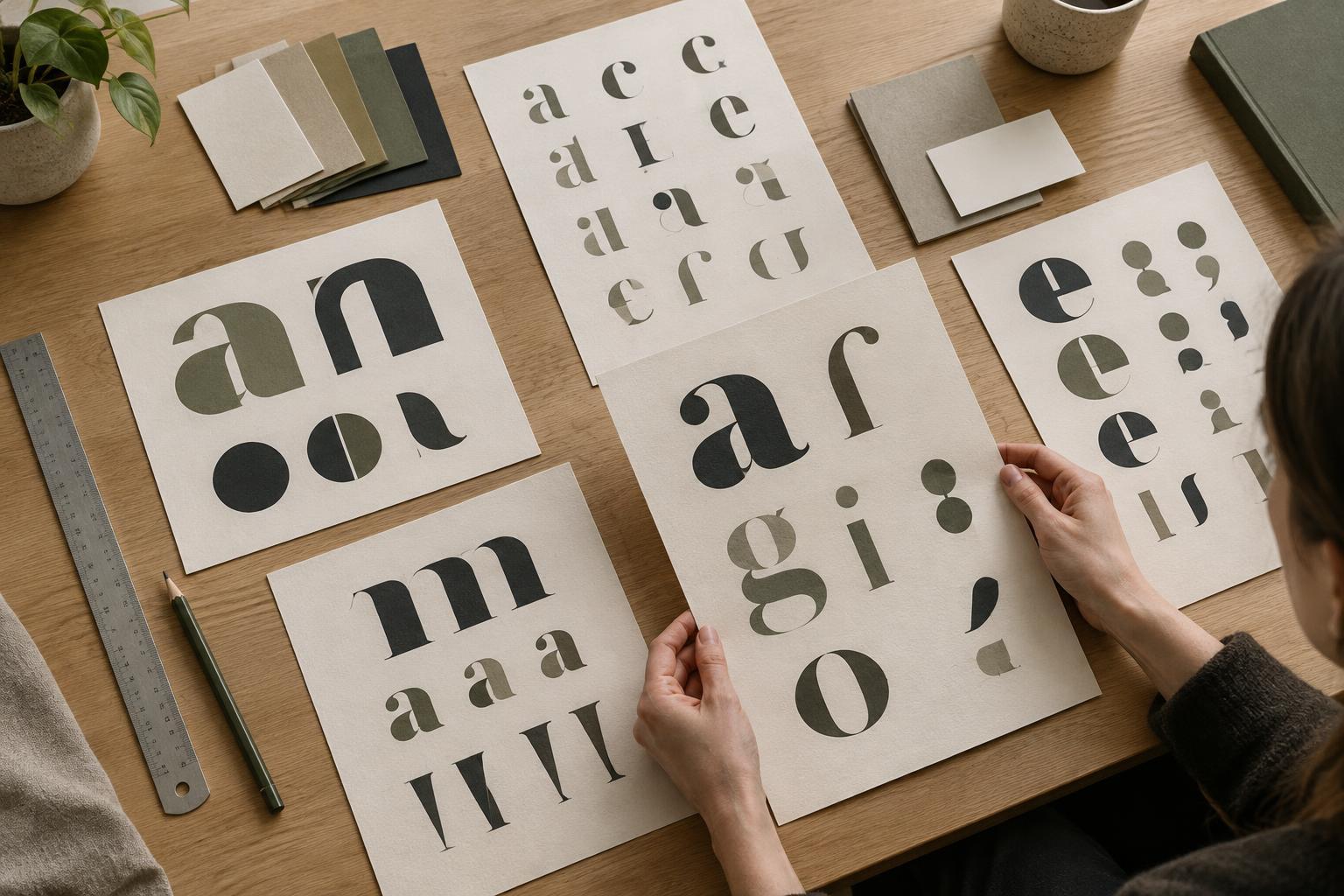
Design and Visual IdentityA practical guide to choosing typefaces that express a brand’s character and work across real applications. Learn how to define a brief, compare candidates, build a useful hierarchy and test your choices before committing.
Read article · 4 min↗
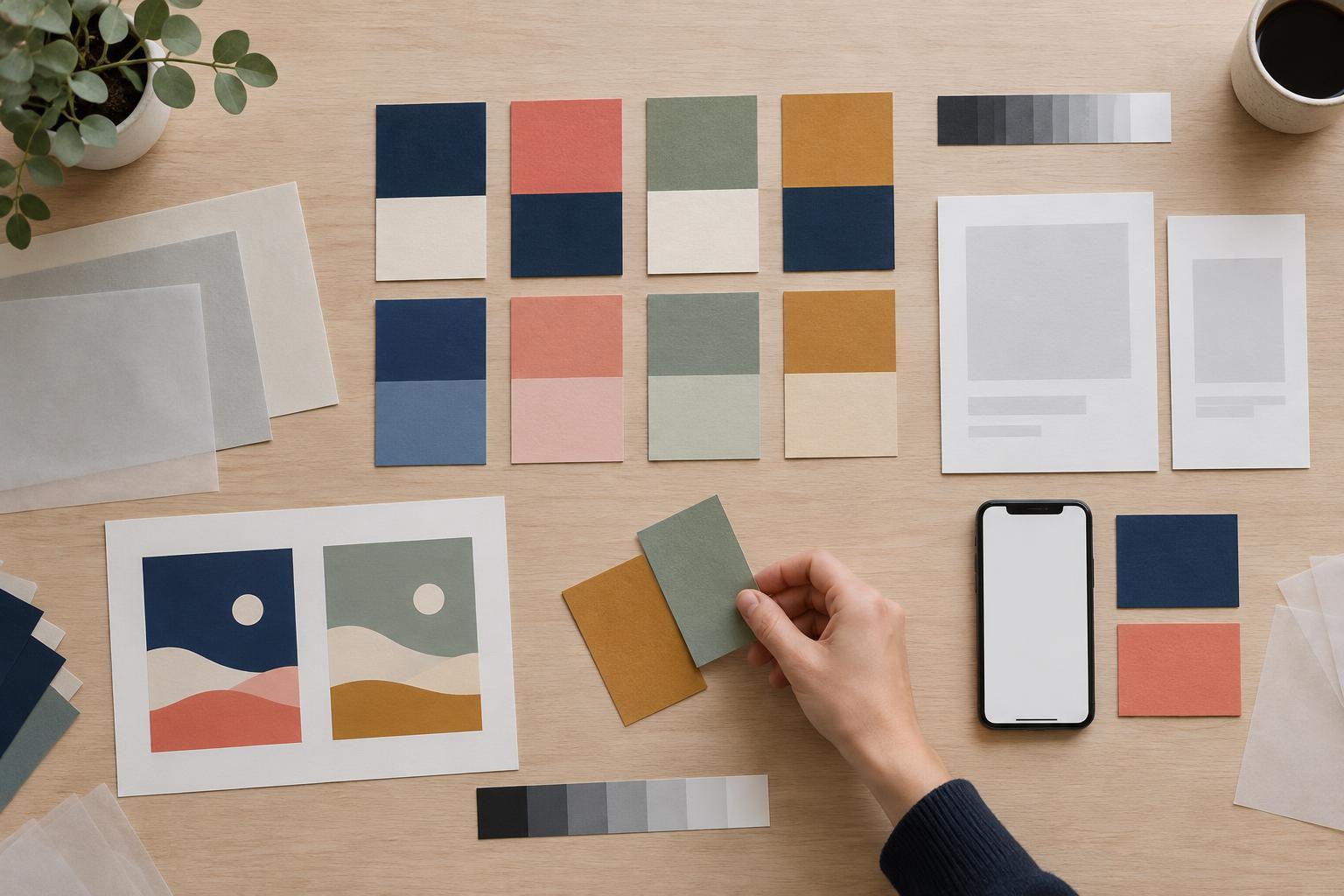
Design and Visual IdentityA visual identity needs to work wherever its colors appear: in presentations, social posts, websites, printed materials and more. Learn a practical process for testing color pairings, finding weak spots and documenting alternatives that keep the system recognizable.
Read article · 4 min↗
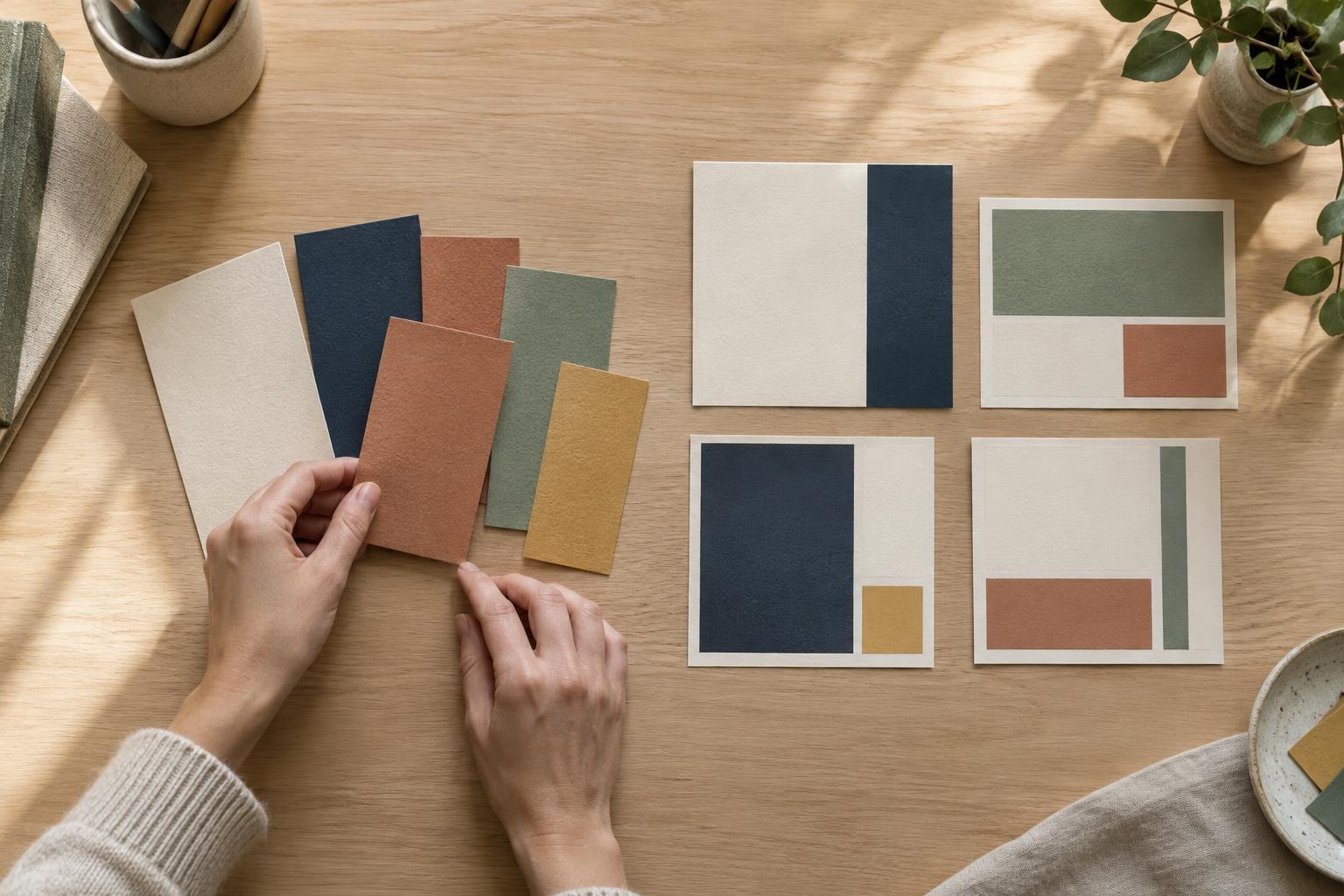
Design and Visual IdentityA useful color palette does more than look appealing. Learn how to choose a small set of colors, give each one a job, test them in real layouts, and document rules that keep a visual identity consistent without making it rigid.
Read article · 4 min↗
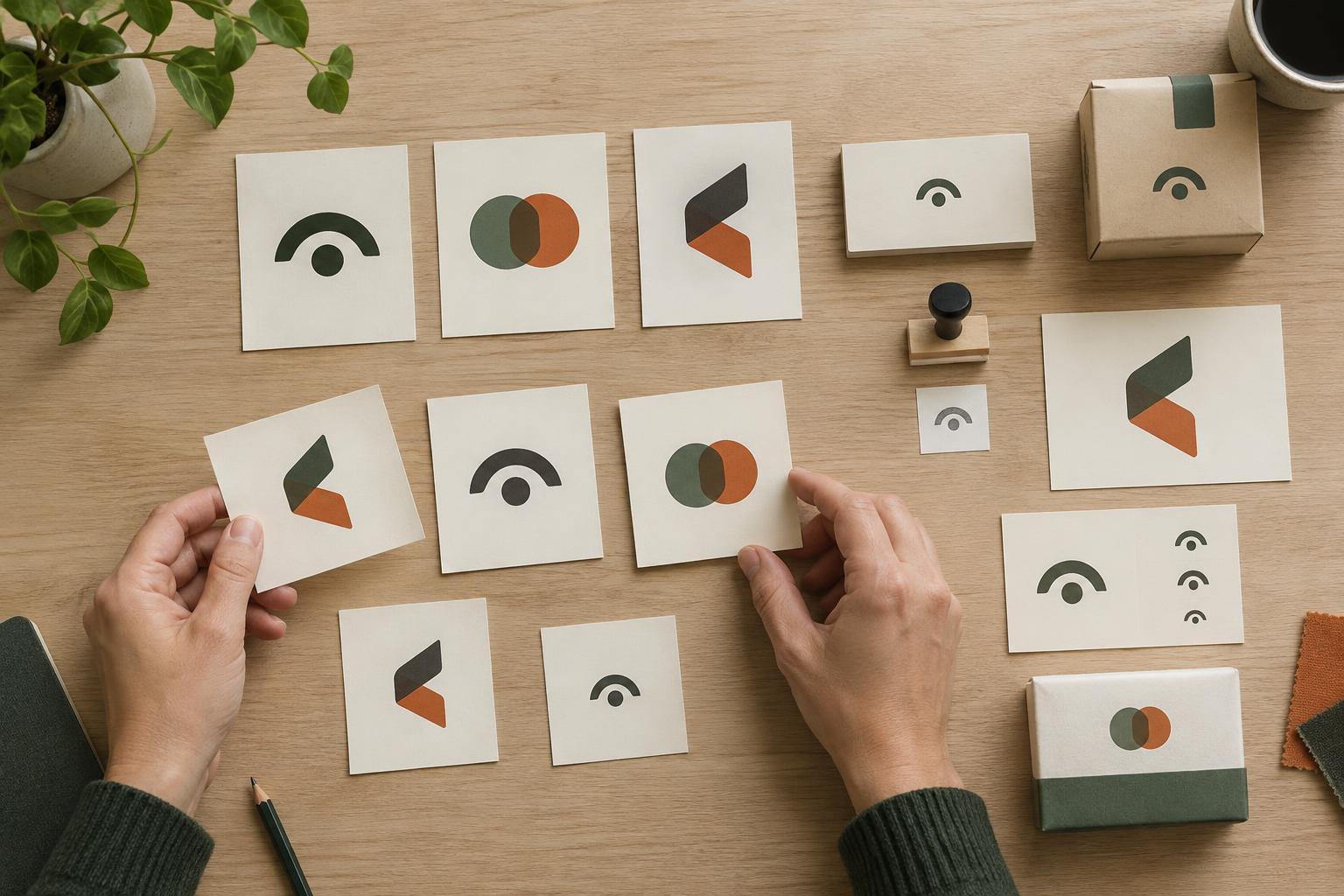
Design and Visual IdentityA useful logo review goes beyond asking which design looks best. Use three practical criteria, recognition, relevance and versatility, to compare concepts in context, test their limits and make a decision you can explain.
Read article · 4 min↗
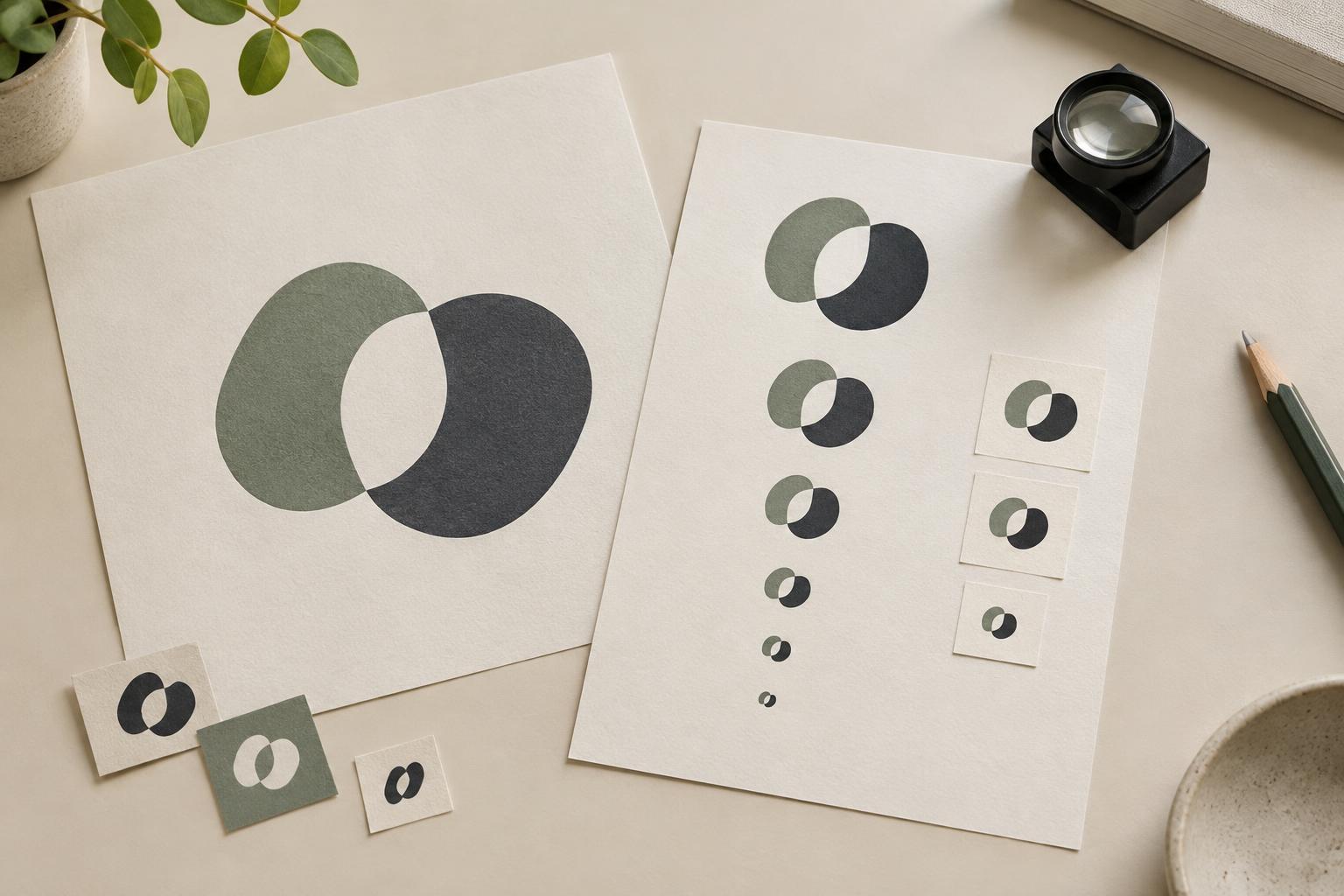
Design and Visual IdentityA logo that looks clear on a presentation slide may become hard to read in a profile image or website header. Use this practical testing process to check small-size performance, find the source of problems and decide whether a simplified version would help.
Read article · 4 min↗
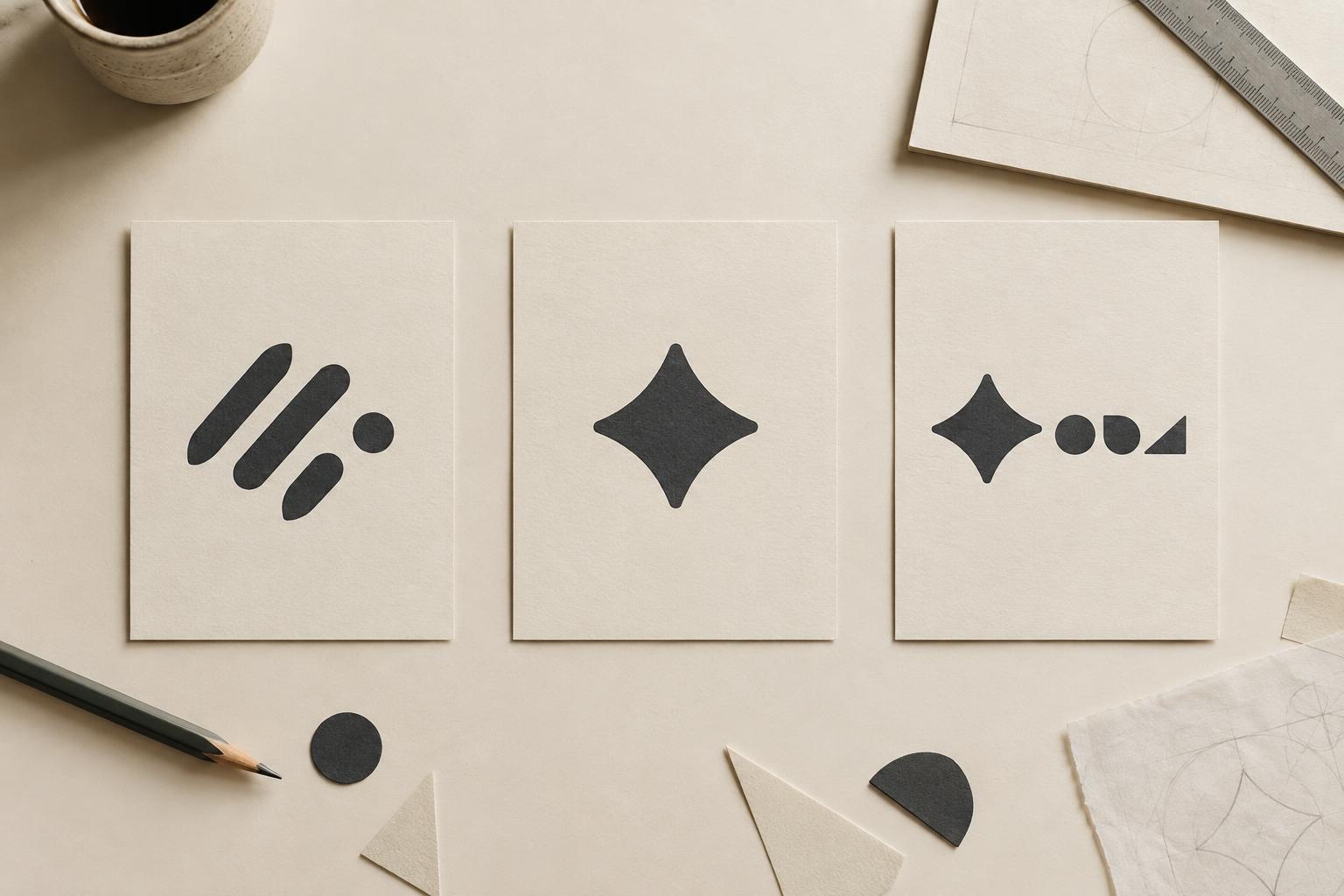
Design and Visual IdentityA logo does not have to do everything at once. Learn how wordmarks, symbols and combination marks work, then use a practical exercise to choose a structure that fits your name, audience and everyday applications.
Read article · 4 min↗
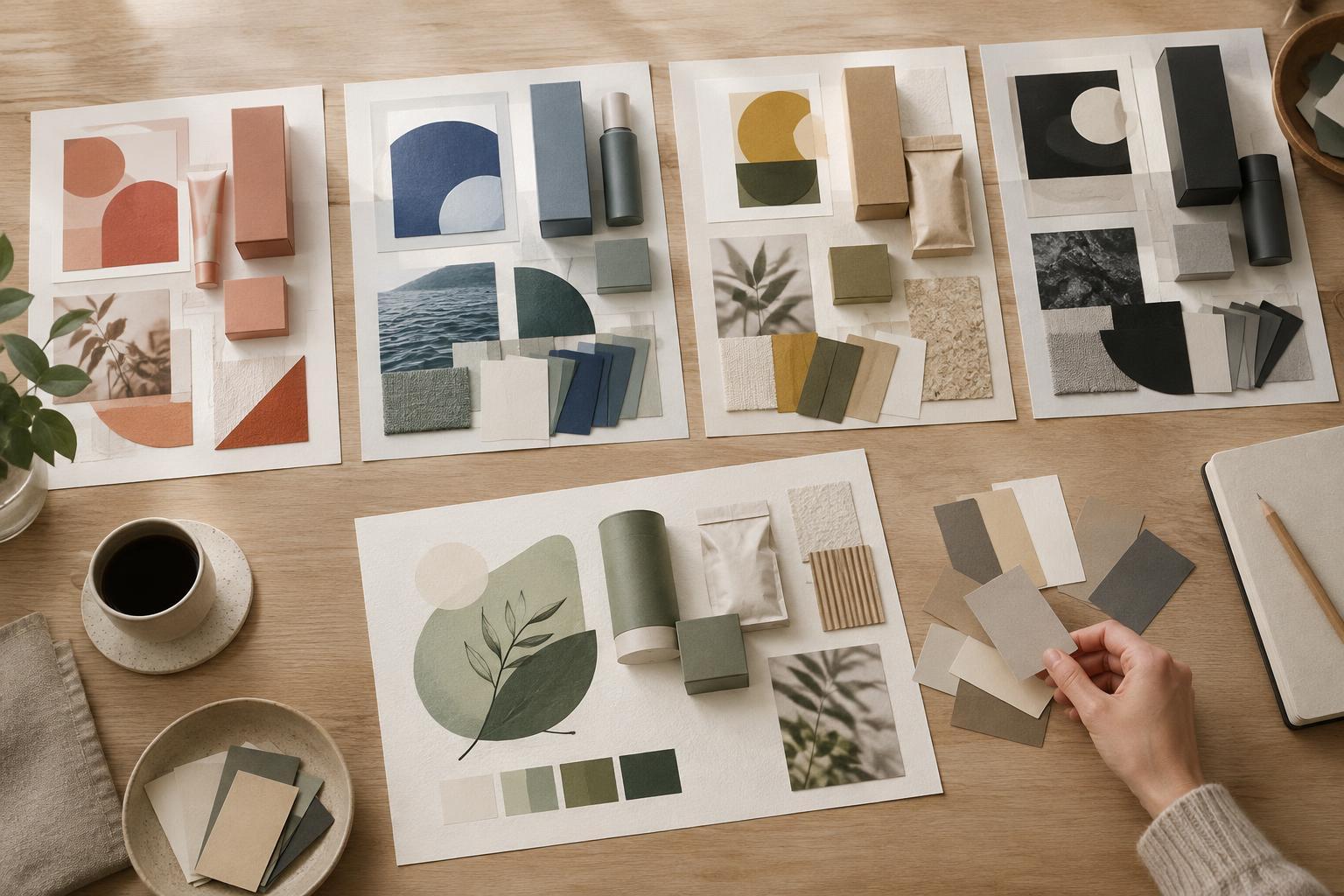
Design and Visual IdentityLooking at other visual identities can reveal useful patterns, but it can also pull a project toward familiar solutions. Learn how to compare competitors, identify opportunities and turn observations into an identity that belongs to your own brand.
Read article · 4 min↗
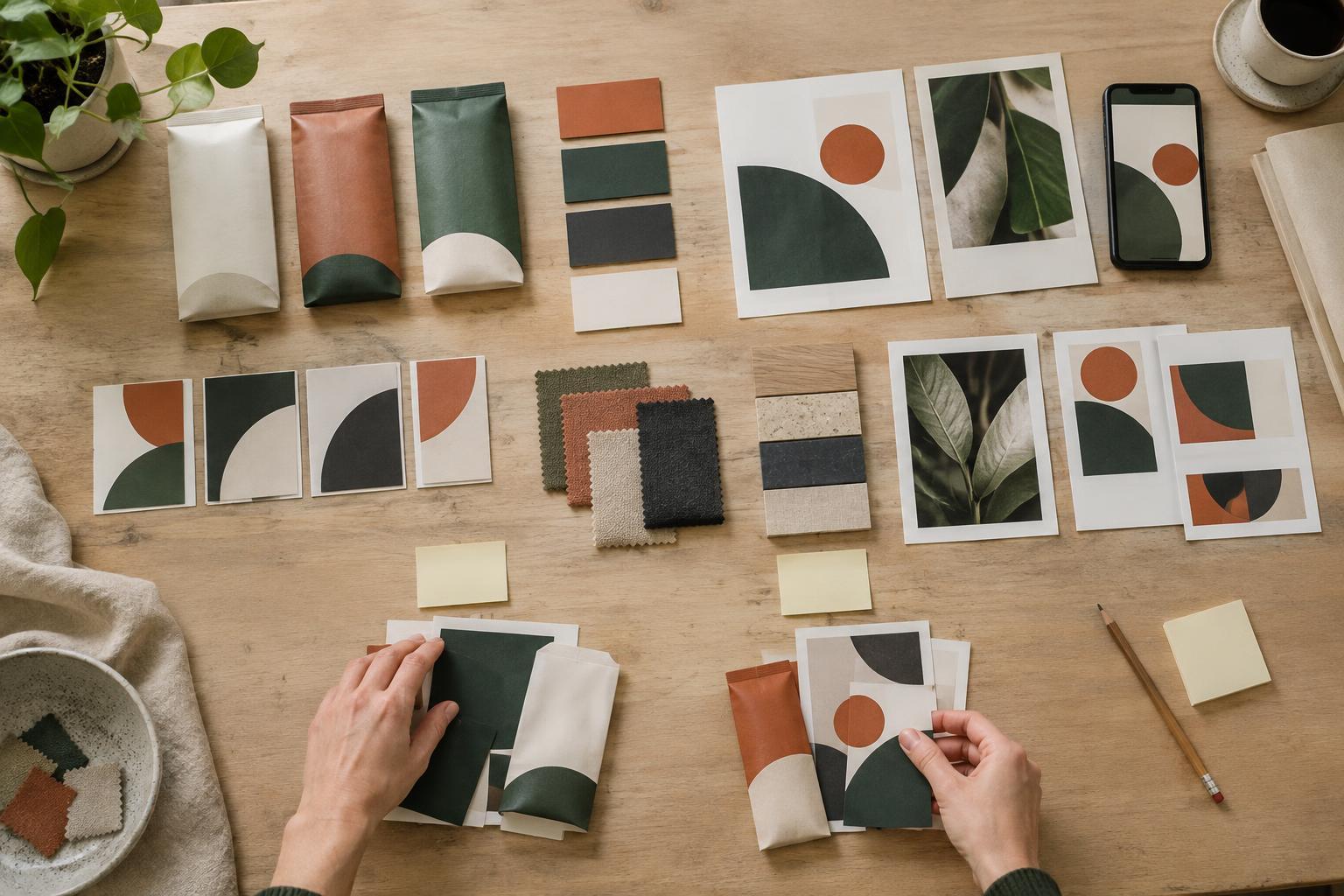
Design and Visual IdentityA useful visual identity audit does more than collect logos and colours. It shows how the identity works in everyday use, where it breaks down and what is worth keeping. This step-by-step guide helps small teams turn scattered examples and opinions into a clear redesign brief.
Read article · 4 min↗
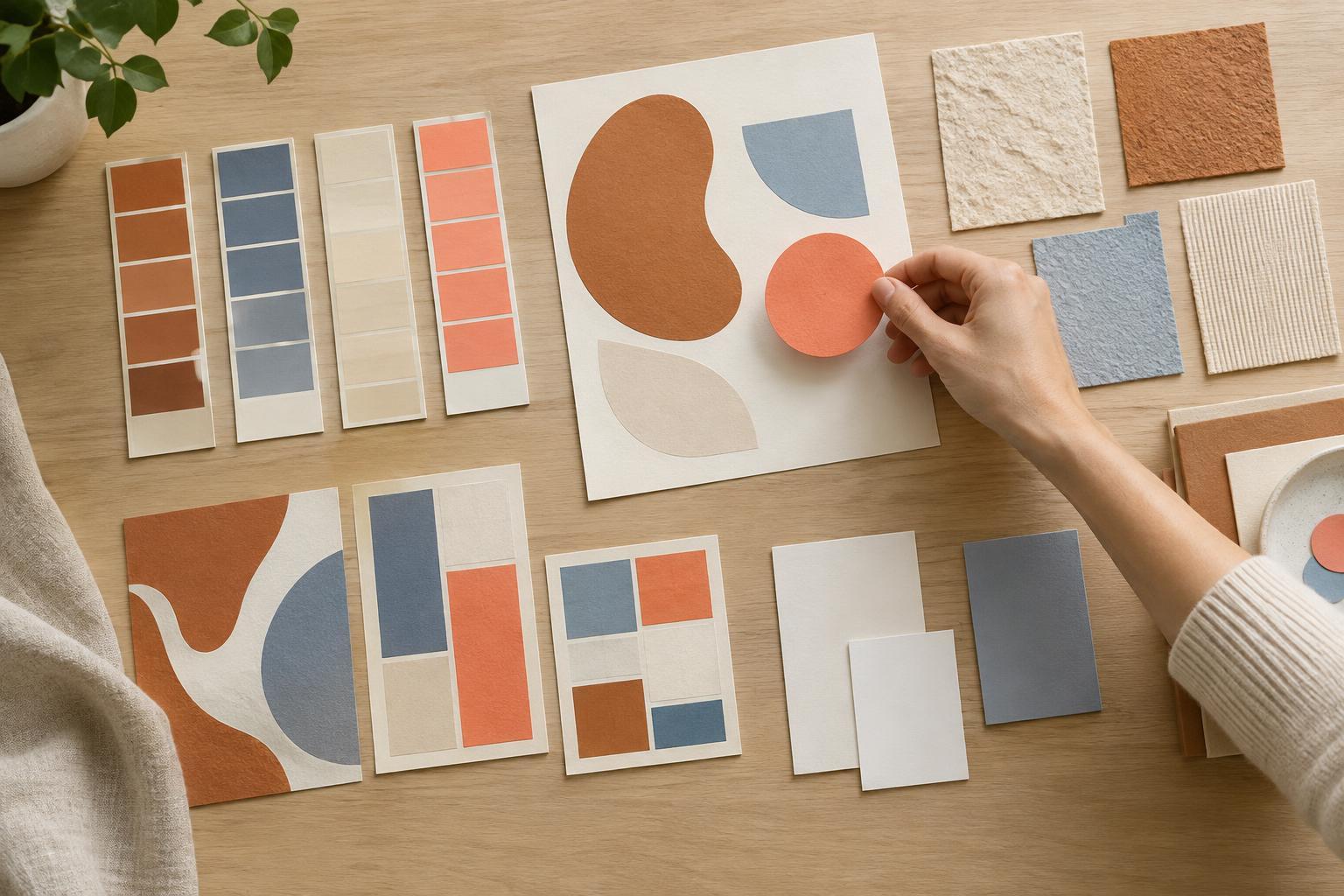
Design and Visual IdentityWords like welcoming, precise and energetic can guide a visual identity, but only when they are turned into decisions someone can see and test. This practical process helps you define useful attributes, explore design options and check whether the result communicates what you intended.
Read article · 4 min↗

Design and Visual IdentityBrand, visual identity and logo are often used interchangeably, but each describes a different part of how an organisation presents itself. Learn what the terms mean, how they work together and how to use them when planning a design project.
Read article · 4 min↗
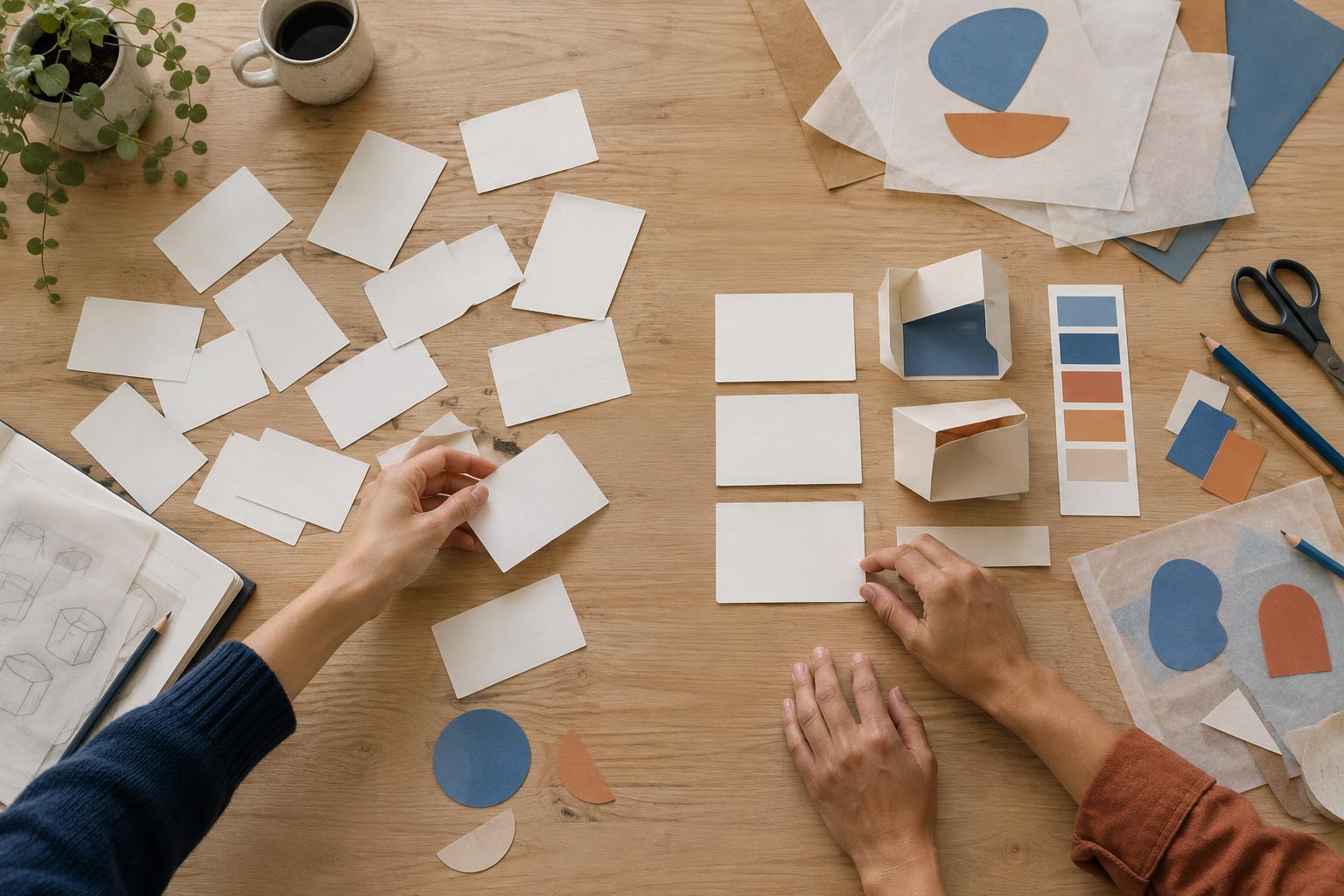
Creative Tools and MethodsCreative prompts can help designers and teams move past familiar ideas, but vague instructions, premature judgment and weak follow-through often limit their value. Learn how to write better prompts, run short exercises and turn unexpected responses into usable project directions.
Read article · 4 min↗

Creative Tools and MethodsA simple, hands-on exercise can help designers and creative teams discover textures, shapes and visual ideas before committing to a finished direction. Here is a practical way to set up, run and document a material exploration using supplies you may already have.
Read article · 4 min↗

Creative Tools and MethodsWhen more effort produces only small variations of the same idea, a short break can give you a better way back into the work. Learn how to pause deliberately, capture what you have, and return with a useful next step.
Read article · 4 min↗
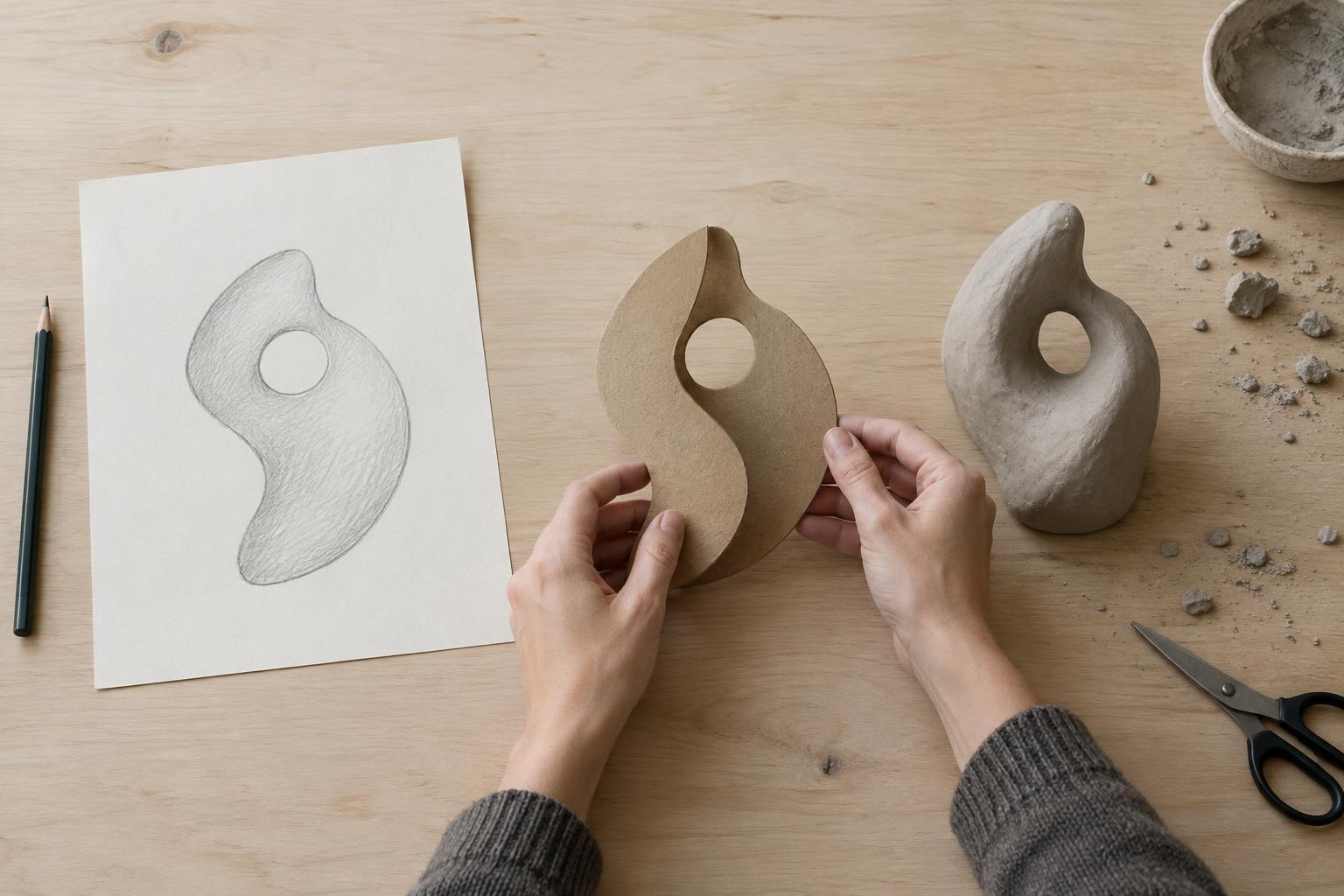
Creative Tools and MethodsA familiar tool can help you get started, but it can also keep an idea stuck. Learn how to spot when your medium is limiting the work, test an alternative without starting over, and bring what you learn back into the project.
Read article · 4 min↗
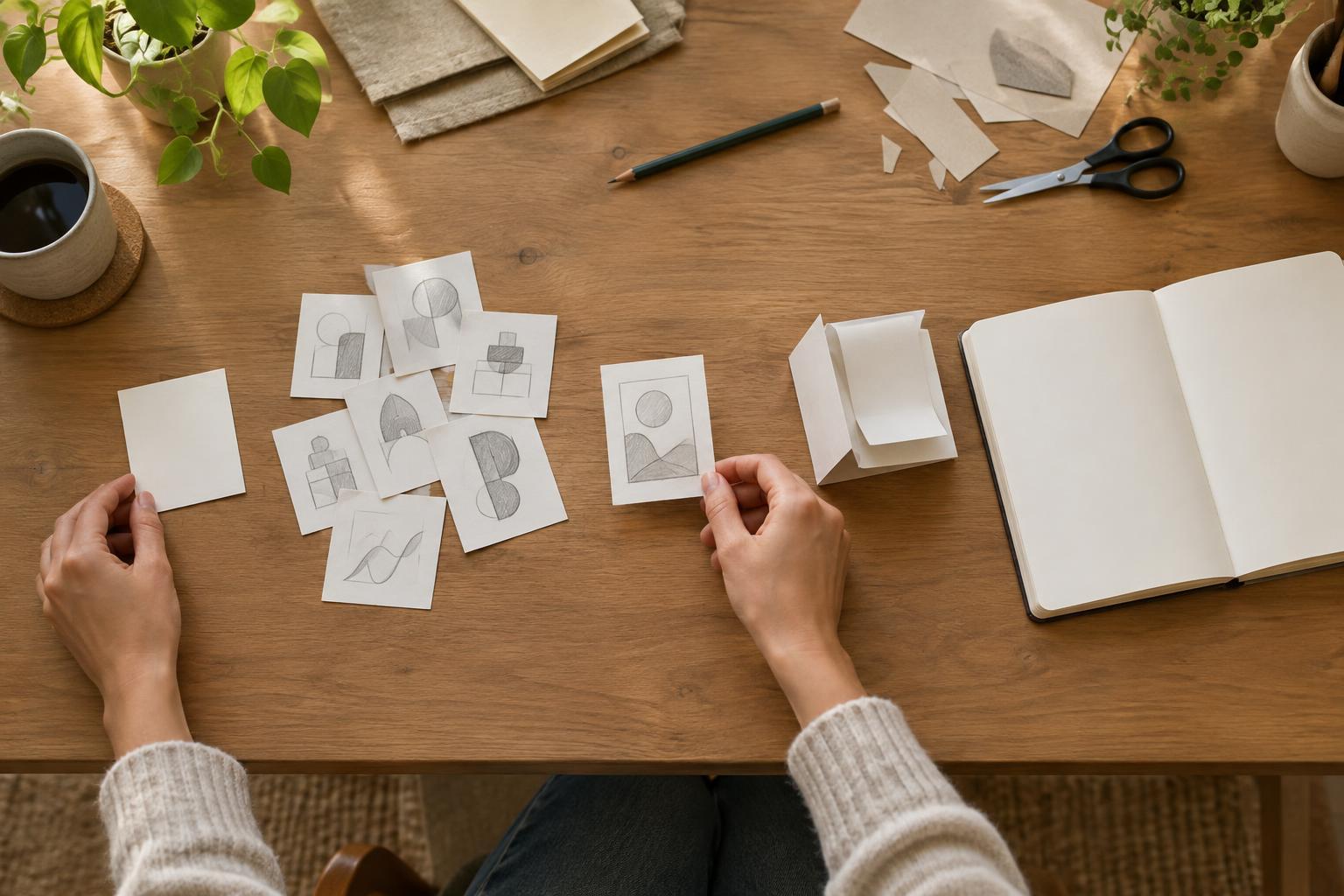
Creative Tools and MethodsA solo ideation session works better when each stage has a clear purpose. Use this flexible process to frame a prompt, generate varied ideas, choose a direction, make a quick prototype and capture what you learned.
Read article · 4 min↗
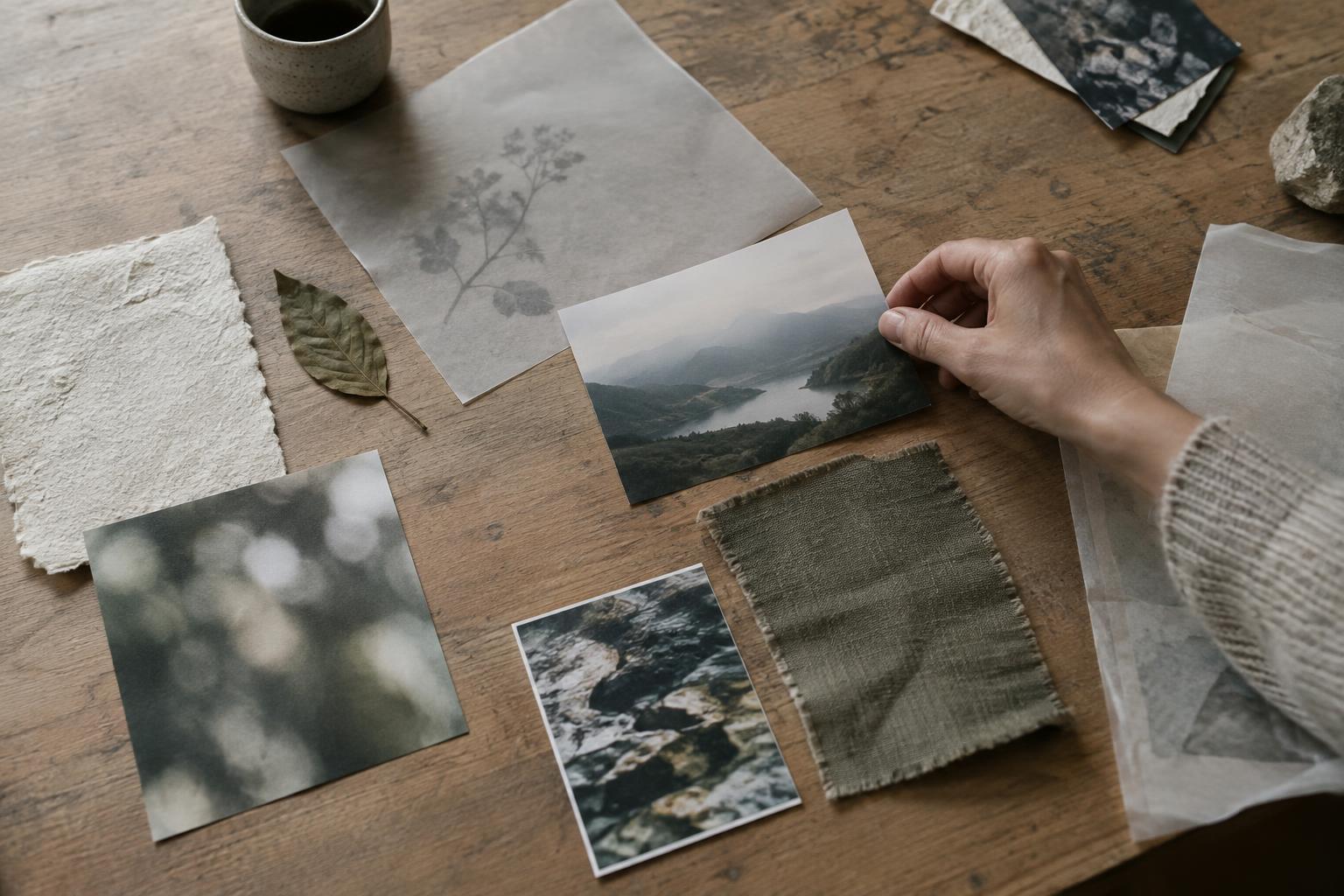
Creative Tools and MethodsA useful mood board helps others understand the atmosphere you want to create without locking in colors, layouts or other design decisions too early. This guide offers a simple process for choosing, arranging and discussing references.
Read article · 4 min↗
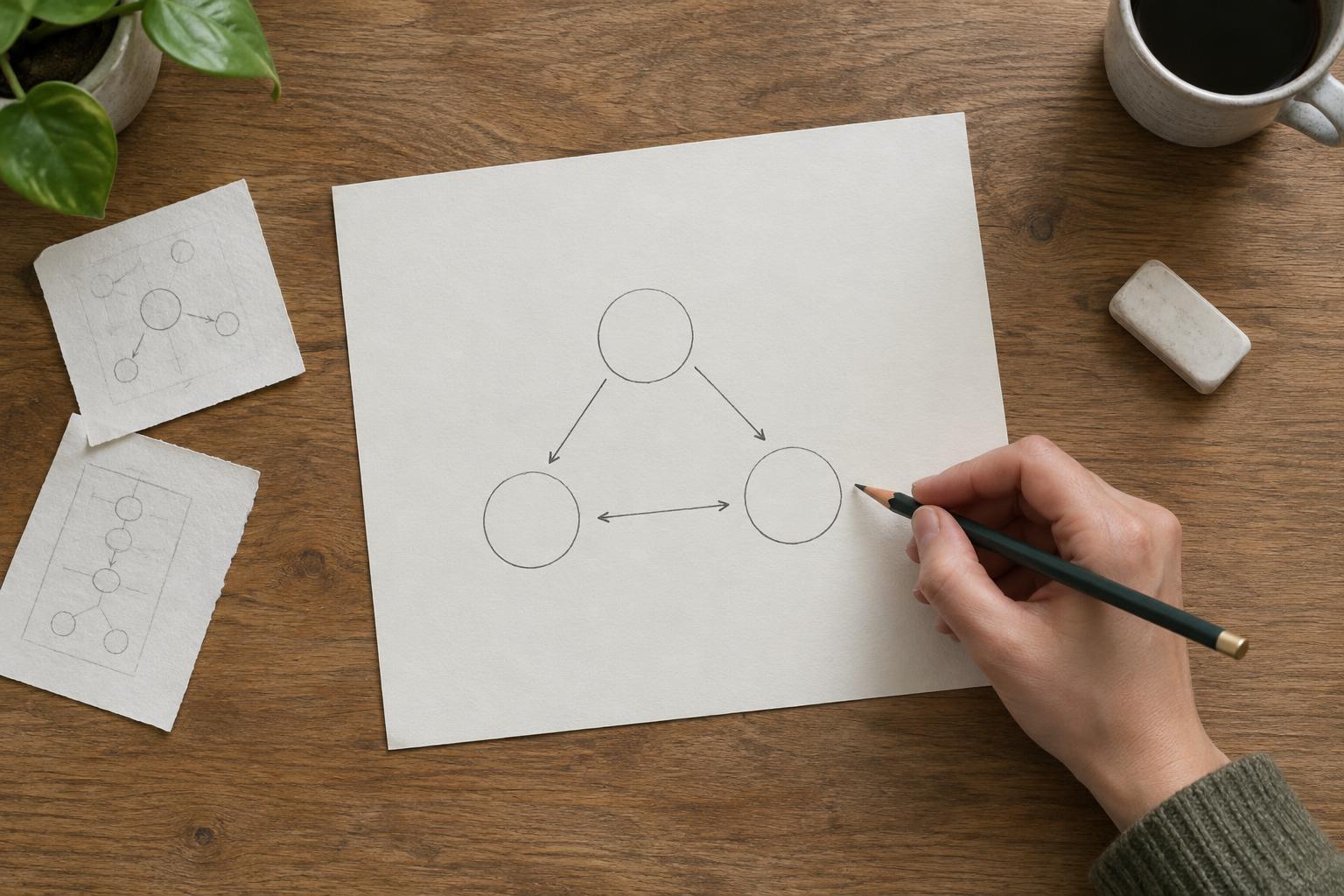
Creative Tools and MethodsAn abstract idea can be hard to discuss when everyone pictures it differently. Learn a straightforward process for choosing a diagram, reducing visual clutter and testing whether your sketch communicates what you mean.
Read article · 4 min↗

Creative Tools and MethodsA sketchbook can be useful without becoming a daily obligation. Build a flexible practice around brief observations, rough experiments and the creative questions you are already working through.
Read article · 4 min↗


Creative Tools and MethodsA useful reference library does more than collect appealing images. Learn how to gather, label and study examples so they reveal creative possibilities while helping you develop work that is recognisably your own.
Read article · 4 min↗
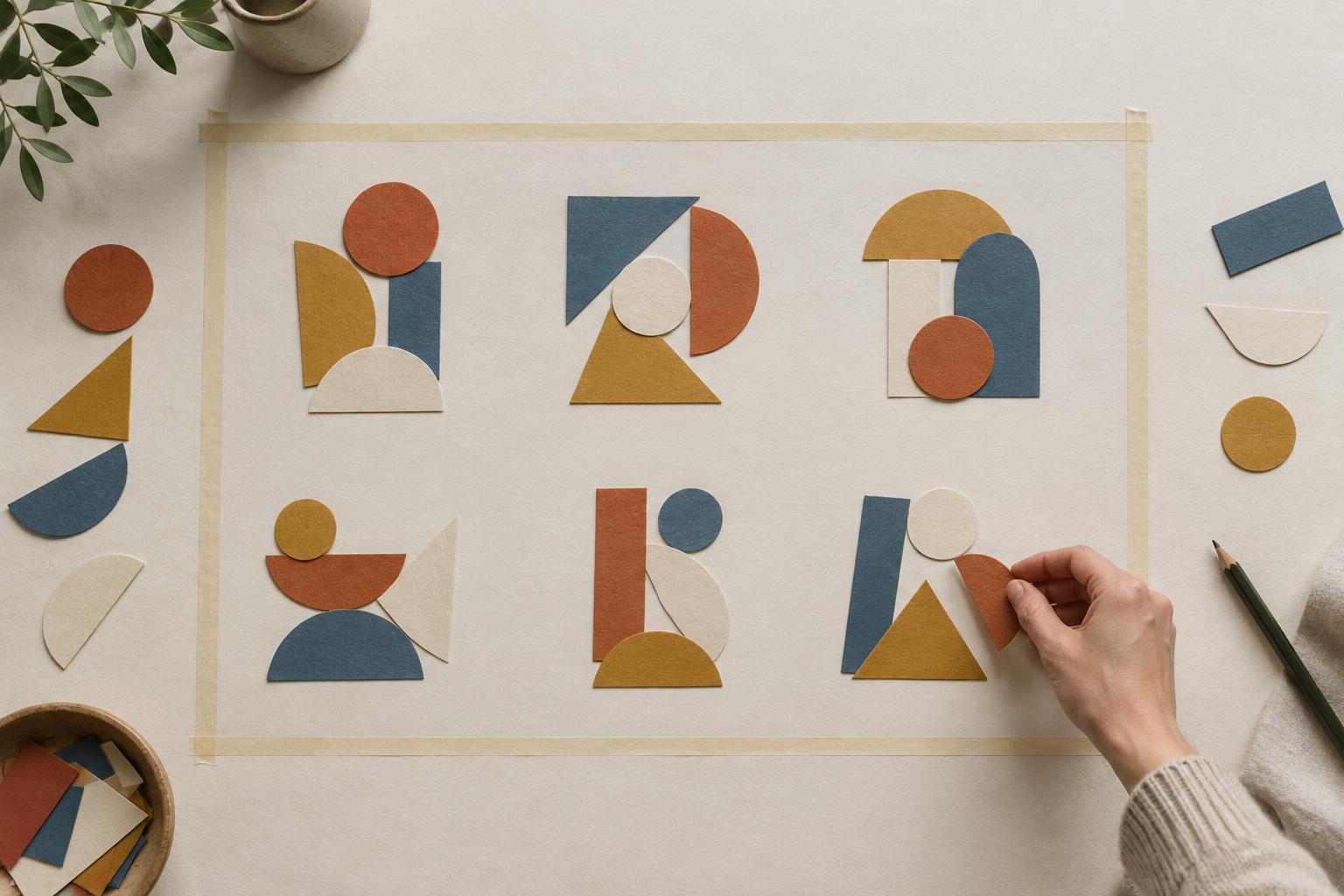
Creative Tools and MethodsA useful constraint gives a creative project direction without deciding the answer in advance. Learn how to set boundaries around audience, materials, time and format, then test whether those boundaries are producing stronger ideas or simply narrowing your options.
Read article · 4 min↗
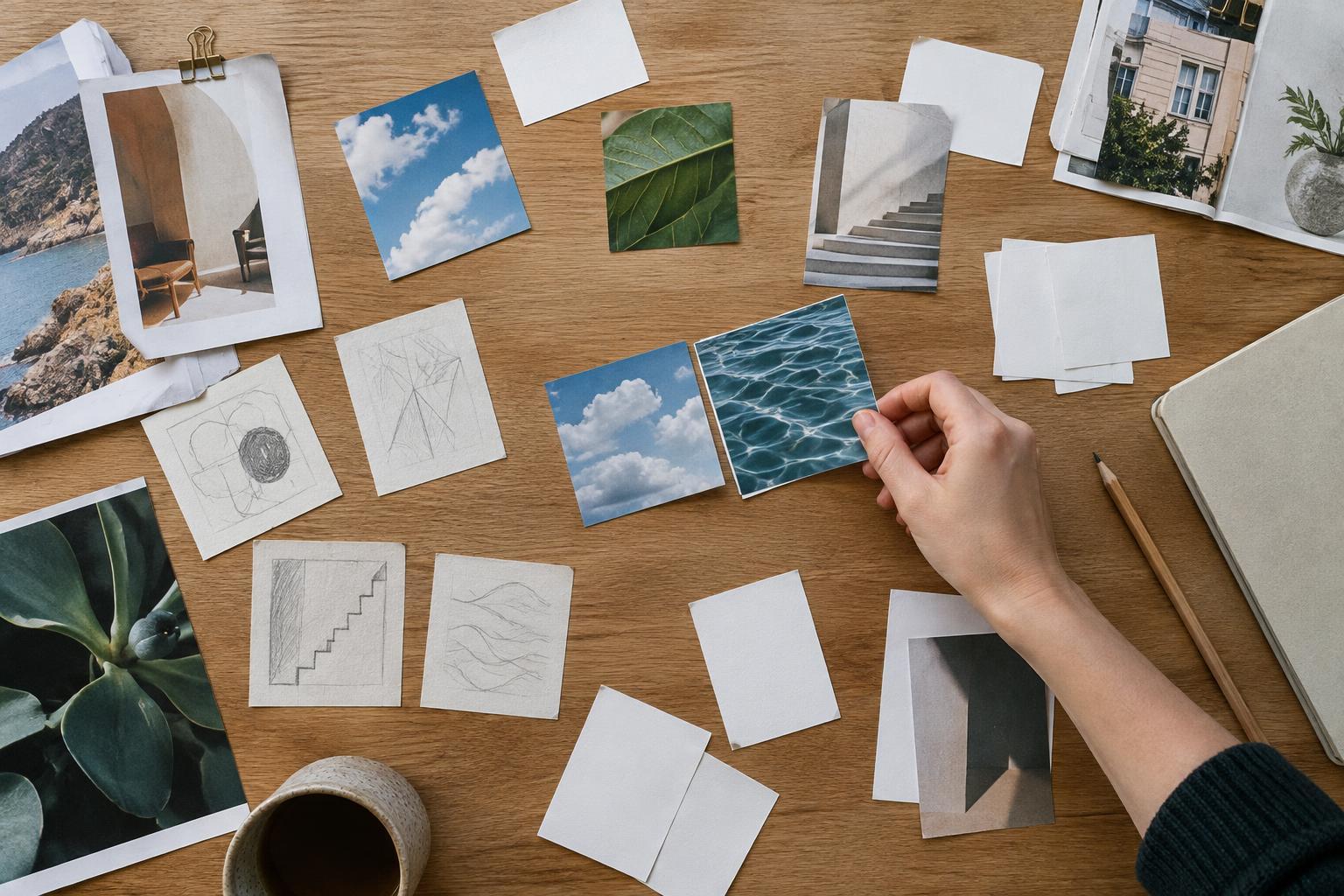
Creative Tools and MethodsRandom prompts can help you move beyond familiar solutions without leaving your project brief behind. Learn a simple process for collecting words and images, making unexpected connections, developing rough concepts and deciding which ideas deserve further work.
Read article · 4 min↗
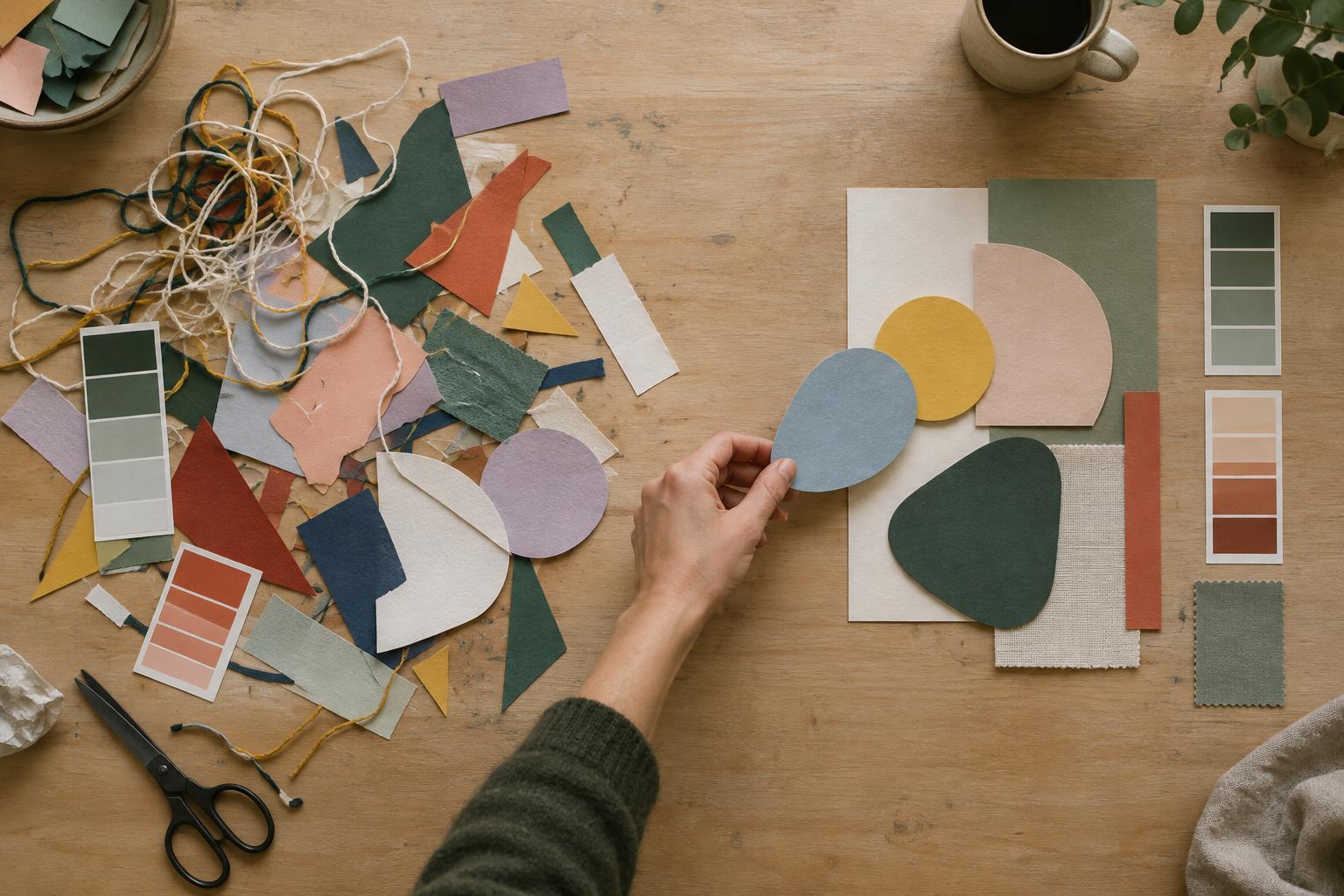
Creative Tools and MethodsWhen a creative brief feels too familiar, try designing the worst possible outcome first. Reverse thinking turns deliberate mistakes into practical questions, fresh options and clearer decisions.
Read article · 4 min↗
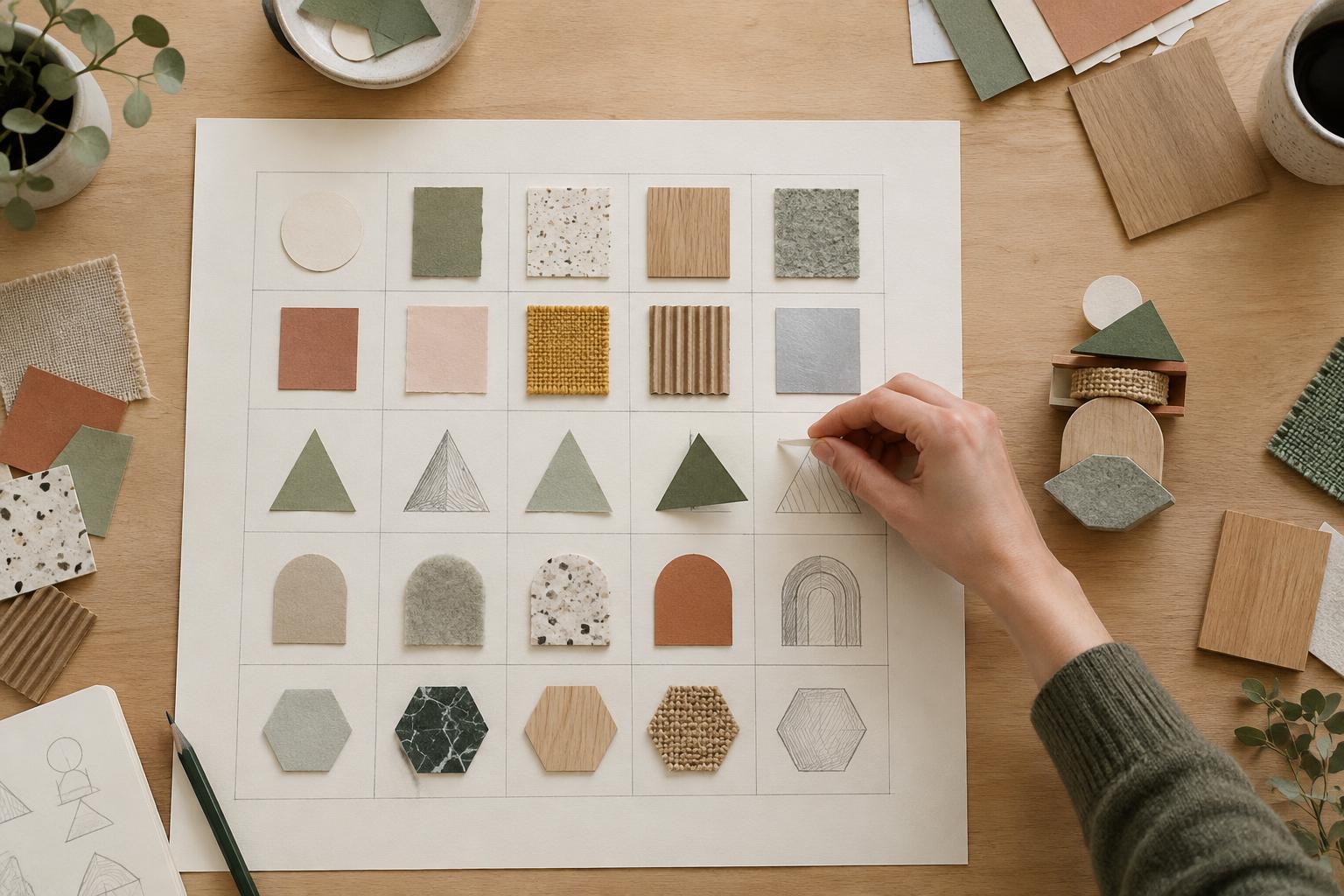
Creative Tools and MethodsA morphological matrix helps you move beyond the first obvious idea by listing the parts of a creative challenge and recombining them. Learn how to build a simple matrix, explore useful combinations and turn promising options into concepts you can test.
Read article · 4 min↗
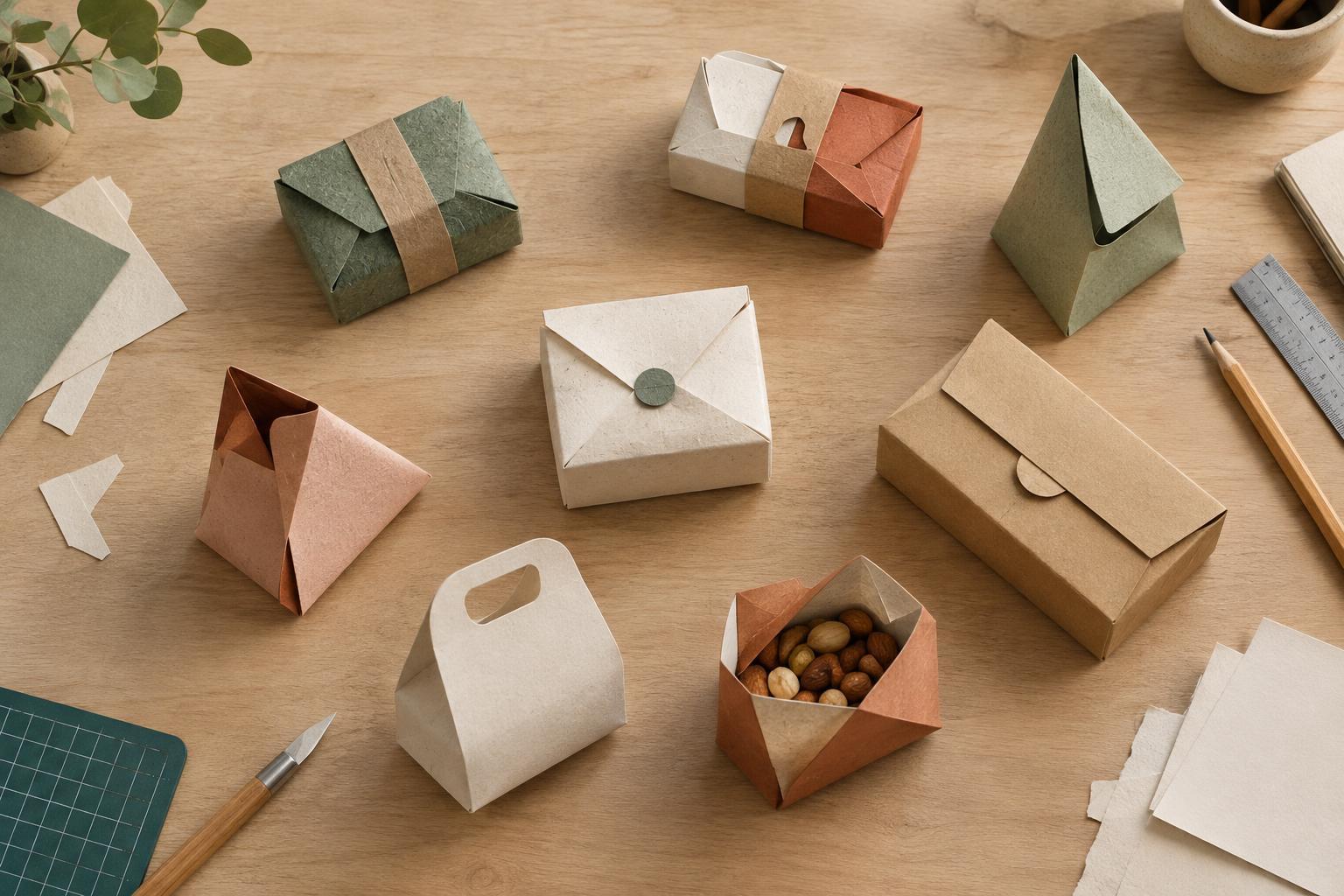
Creative Tools and MethodsWhen an idea feels promising but unfinished, SCAMPER gives you seven ways to change it. Learn how to use the prompts on a design concept, generate useful variations and choose what to develop next.
Read article · 4 min↗
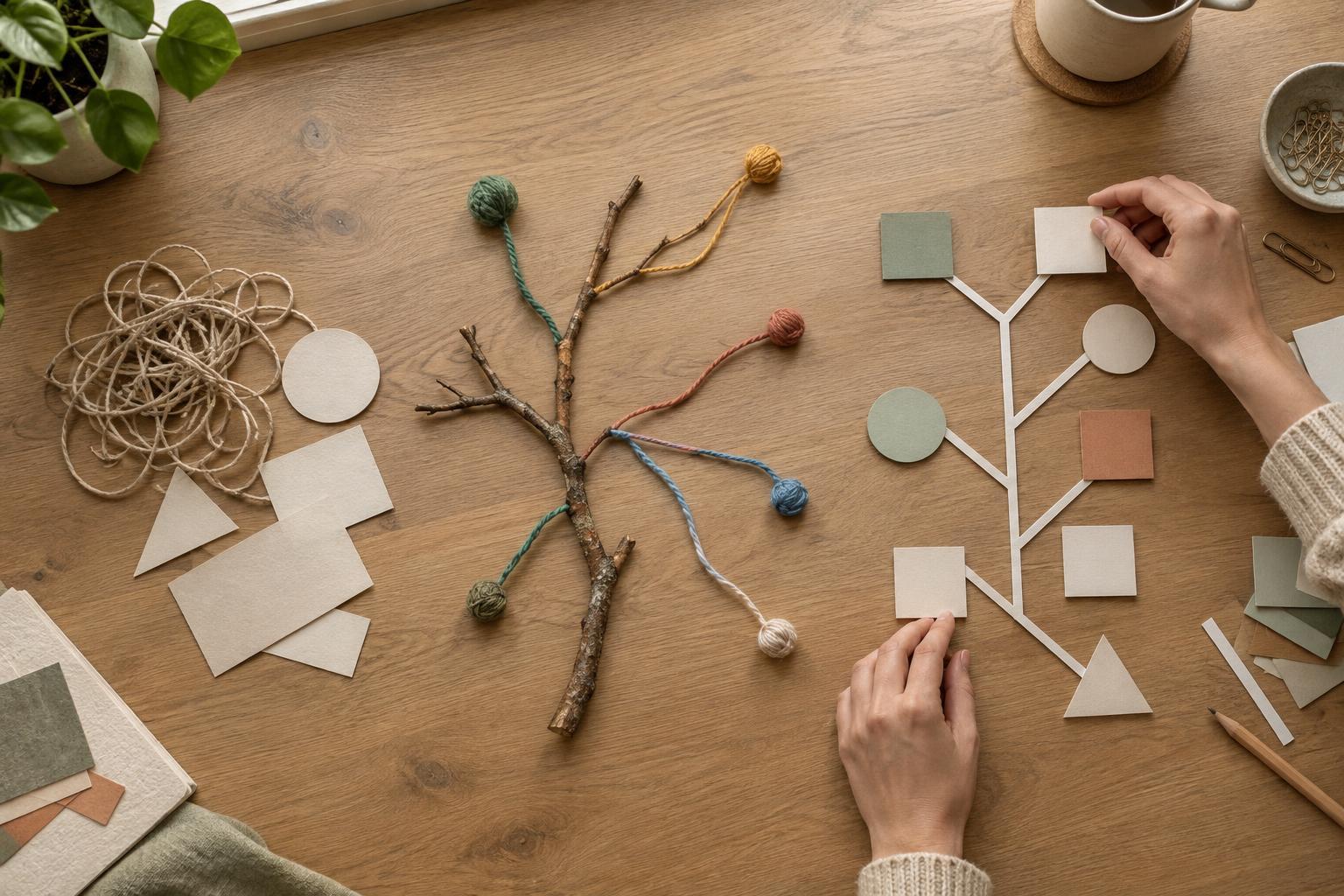
Creative Tools and MethodsWhen a creative problem feels stuck, an analogy can reveal a new way to approach it. This practical guide shows how to choose a useful comparison, translate it into design decisions and test whether the resulting idea actually helps.
Read article · 4 min↗
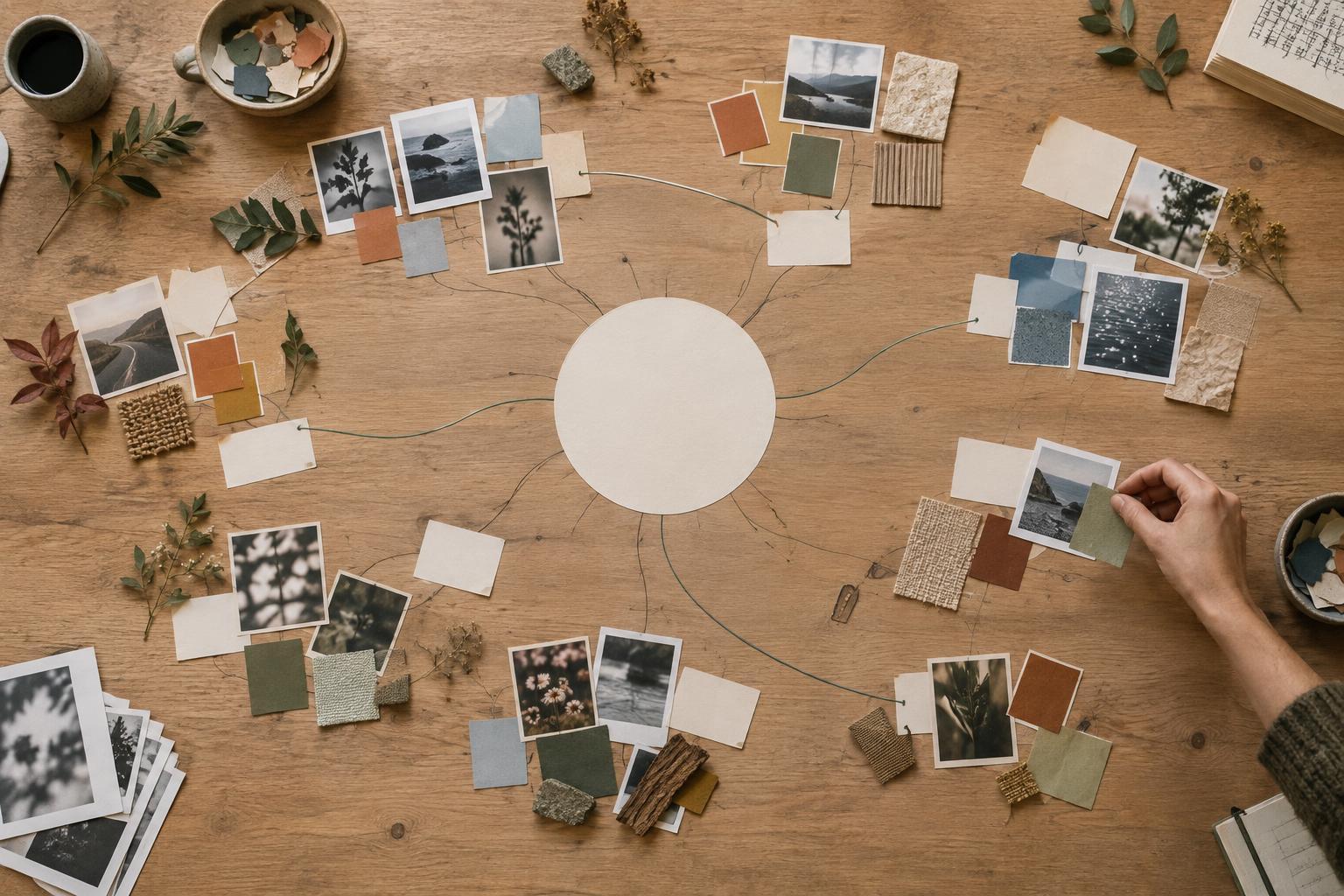
Creative Tools and MethodsA practical guide to turning a broad theme into fresh directions for a design, photography or content project. Learn how to branch beyond obvious associations, connect distant ideas and turn a promising link into a concept you can test.
Read article · 4 min↗
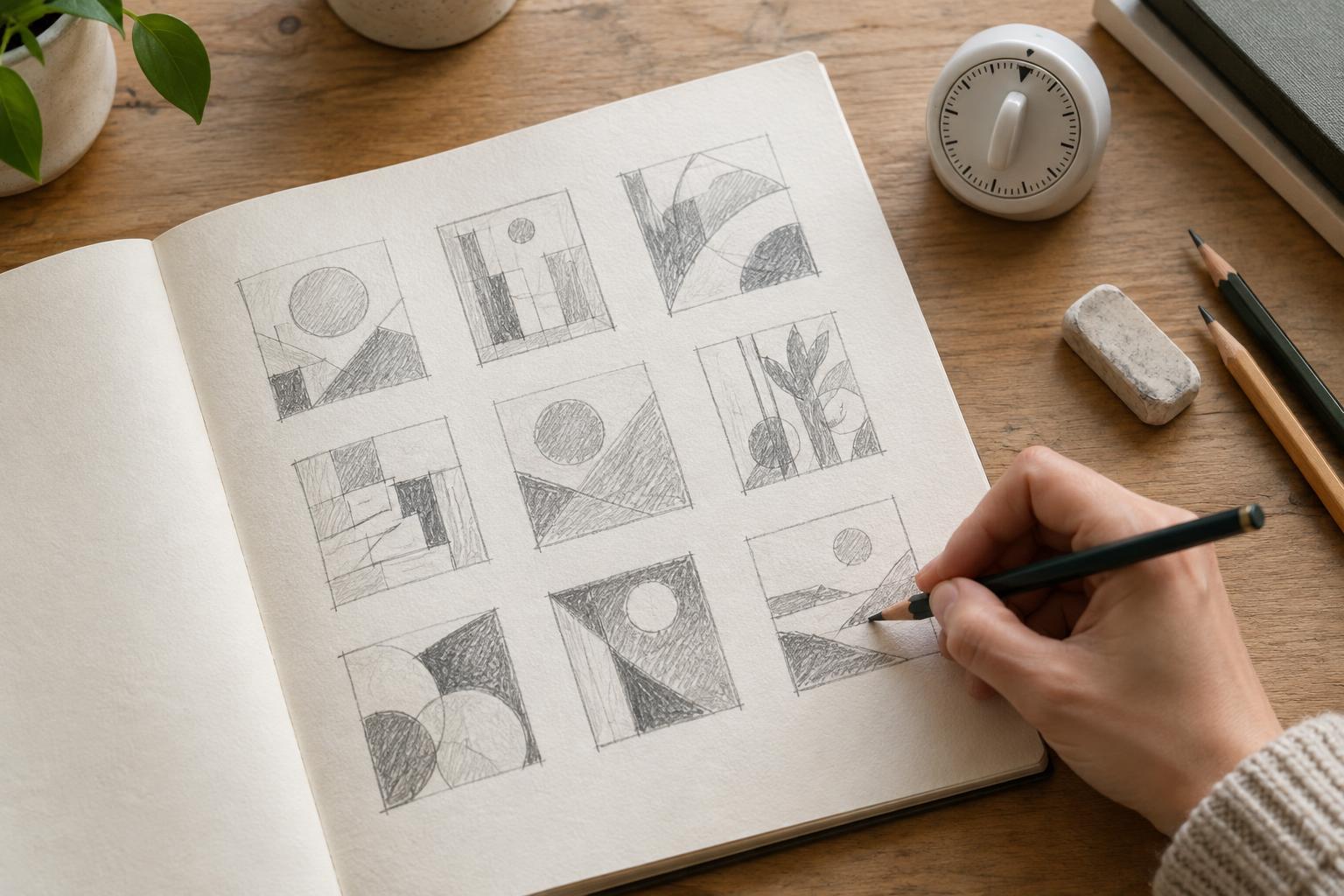
Creative Tools and MethodsTimed thumbnail sketches help you test many arrangements before committing to a polished design. Learn how to set up a short exercise, vary one compositional choice at a time, and turn promising sketches into clearer directions.
Read article · 4 min↗

Creative Tools and MethodsWhen a new project feels too vague to begin, ten minutes of unedited writing can help you find a direction. This practical exercise takes you from a simple prompt to a small, usable next step.
Read article · 4 min↗
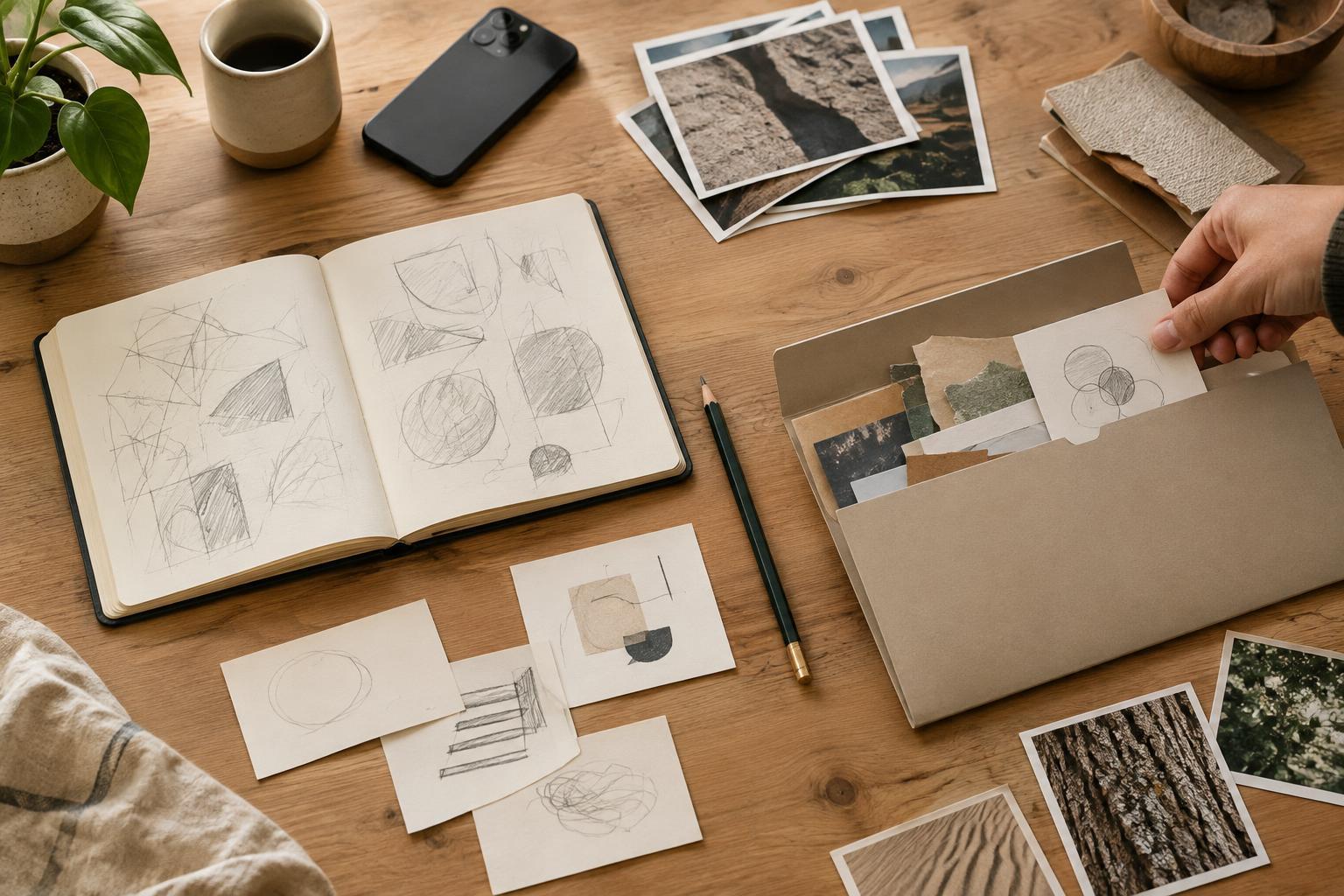
Creative Tools and MethodsGood ideas do not always arrive when you are ready to use them. A simple capture system gives sketches, observations and half-formed thoughts a place to land, then helps you find and develop them later. Here is a practical way to build one without turning it into another demanding project.
Read article · 4 min↗
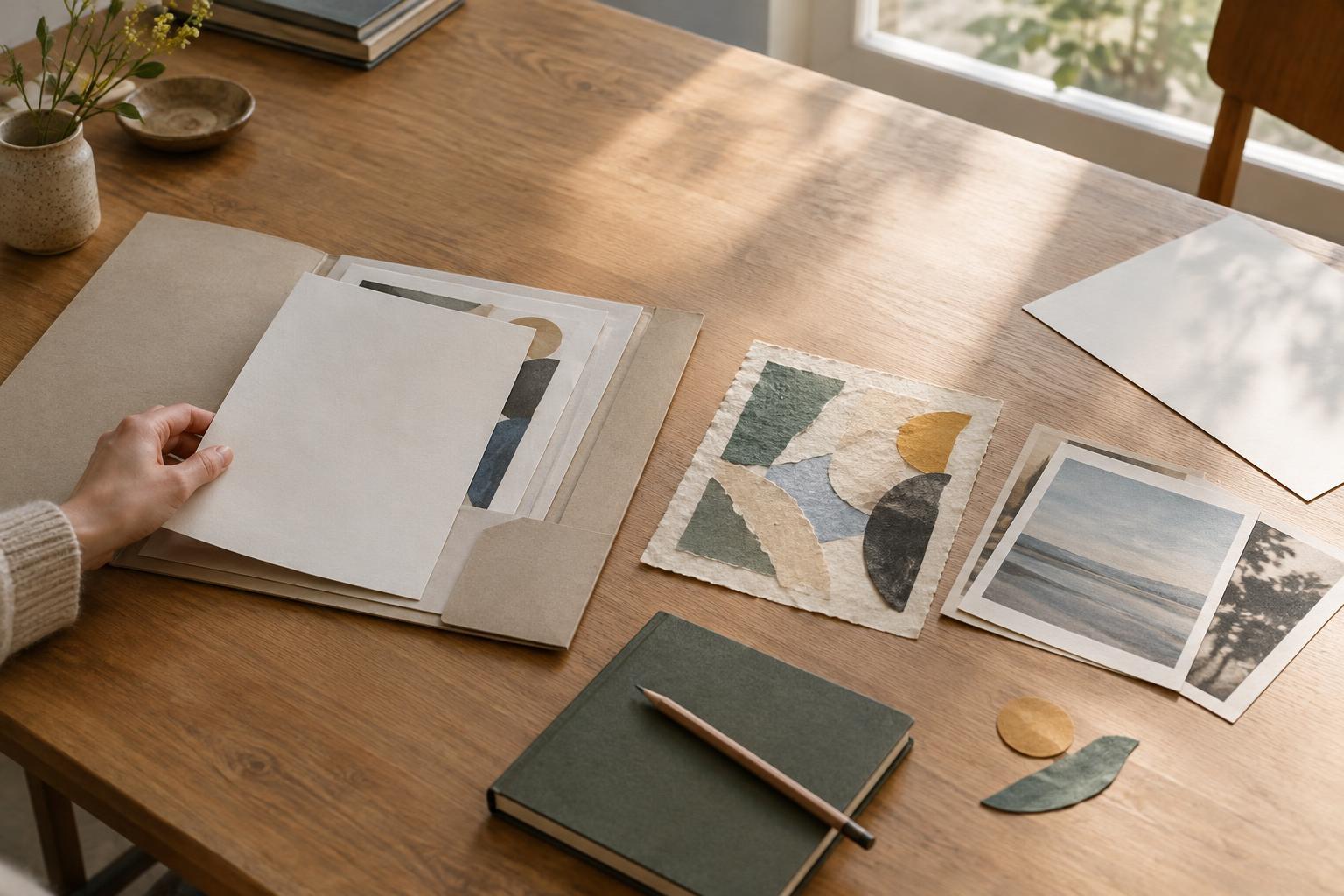
Creative ProjectsA stalled project does not always need another round of revisions. Learn how to identify what is blocking progress, choose between a reset, a pause and a clear ending, and preserve what you have learned for future work.
Read article · 4 min↗
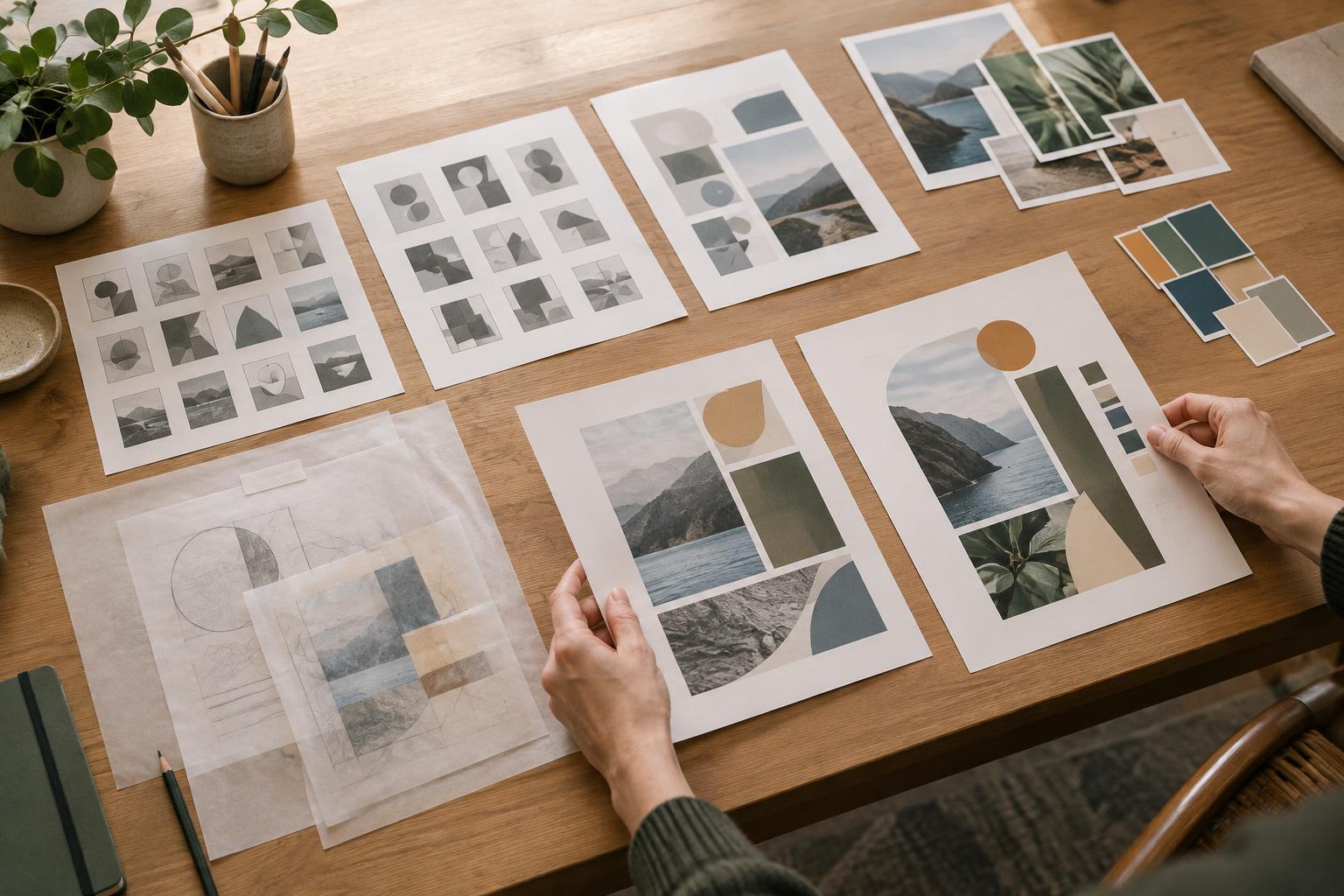
Creative ProjectsA strong portfolio case study does more than display the finished work. Learn how to frame the brief, show the decisions that shaped the project, and explain the outcome without overwhelming your reader.
Read article · 4 min↗
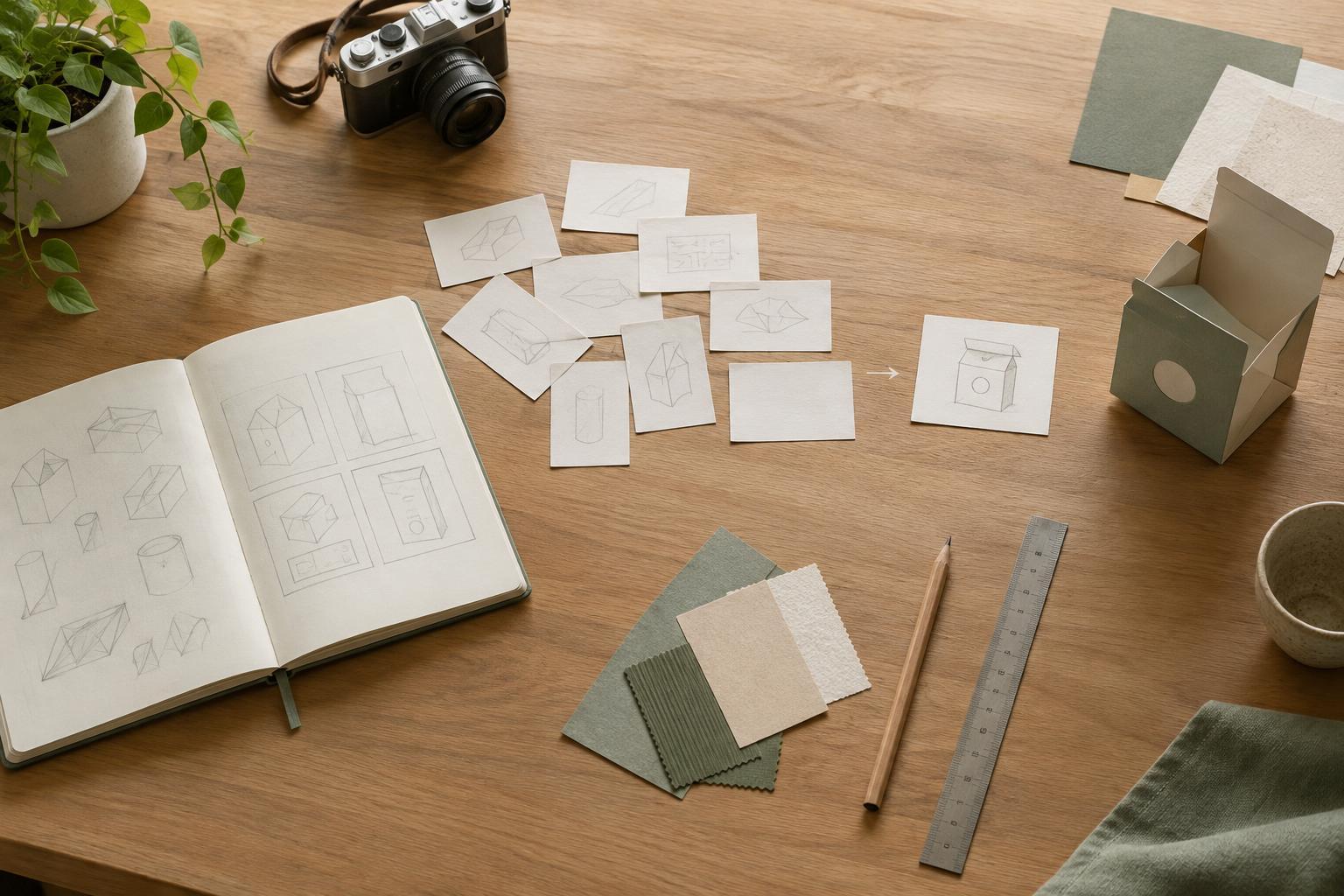
Creative ProjectsA self-initiated project gives you freedom, but it also asks you to set your own direction. Learn how to turn an idea into a workable brief, define constraints, test your approach and finish with something you can share.
Read article · 4 min↗

Creative ProjectsA project retrospective helps a creative team turn experience into better working habits. Use this practical process to review decisions, gather useful feedback and choose changes you can test on the next assignment.
Read article · 4 min↗
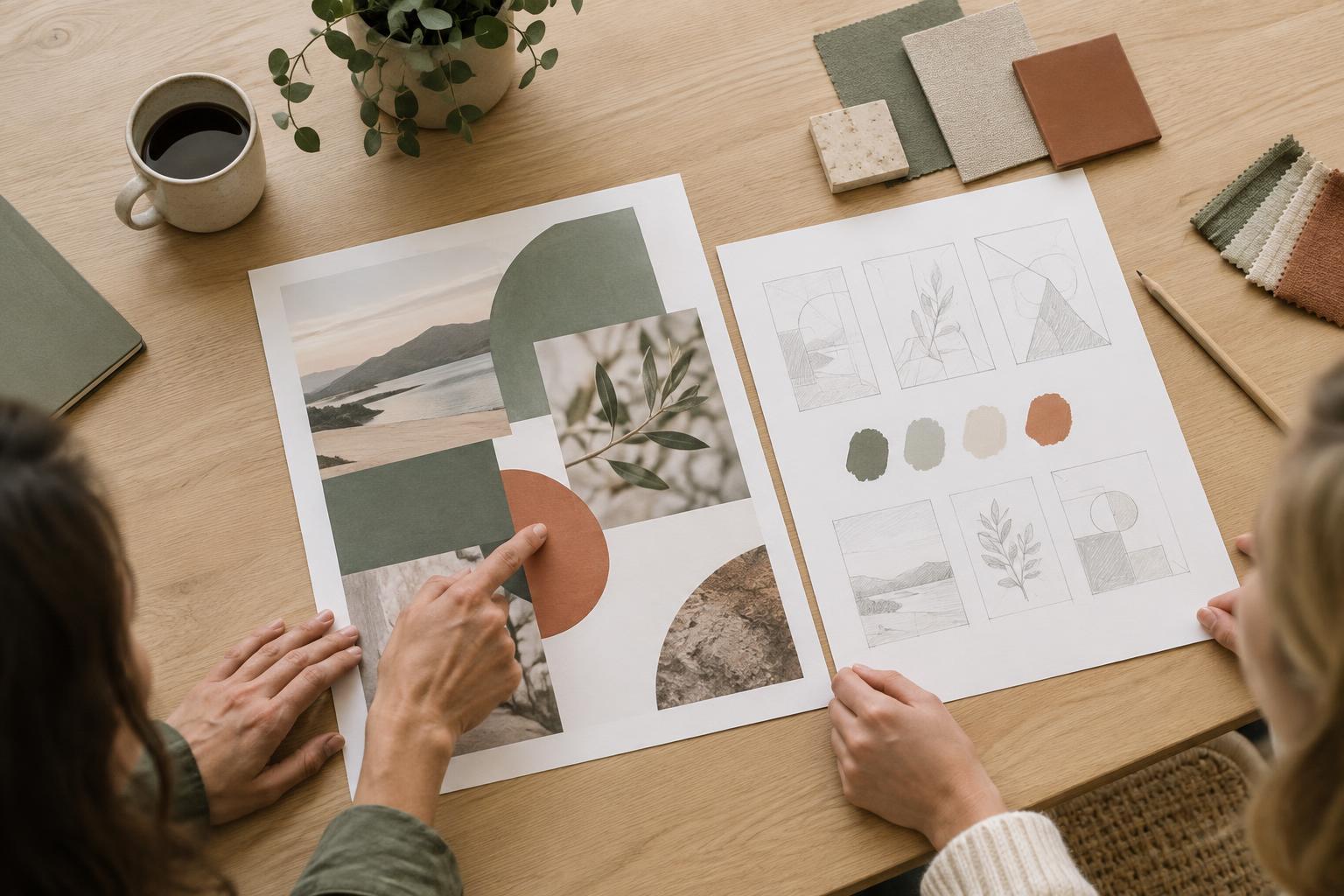
Creative ProjectsA finished project can look polished without solving the problem it set out to address. Use a simple review process to compare the work with its brief, examine the choices behind it and carry useful lessons into the next project.
Read article · 4 min↗

Creative ProjectsA creative project is not finished when the last design is approved. A clear handover helps the client find, use and maintain the work you have made. This guide covers how to confirm the deliverables, organise files, check exports, explain usage and close the project with fewer avoidable questions.
Read article · 4 min↗

Creative ProjectsA creative project can produce many drafts, comments and small decisions. A simple system for naming files, recording choices and connecting feedback to versions makes it easier for a team to find the right work and understand why it changed.
Read article · 4 min↗

Creative ProjectsA new format, an extra audience or a change in direction can reshape a creative project after work has started. Learn how to identify a scope change, assess its impact and agree on a practical way forward without losing sight of the original goal.
Read article · 4 min↗

Creative ProjectsA practical way to sort creative feedback when stakeholder preferences seem to contradict the project brief. Learn how to check the brief, find the concern behind a comment, choose a useful revision and explain your decision.
Read article · 4 min↗
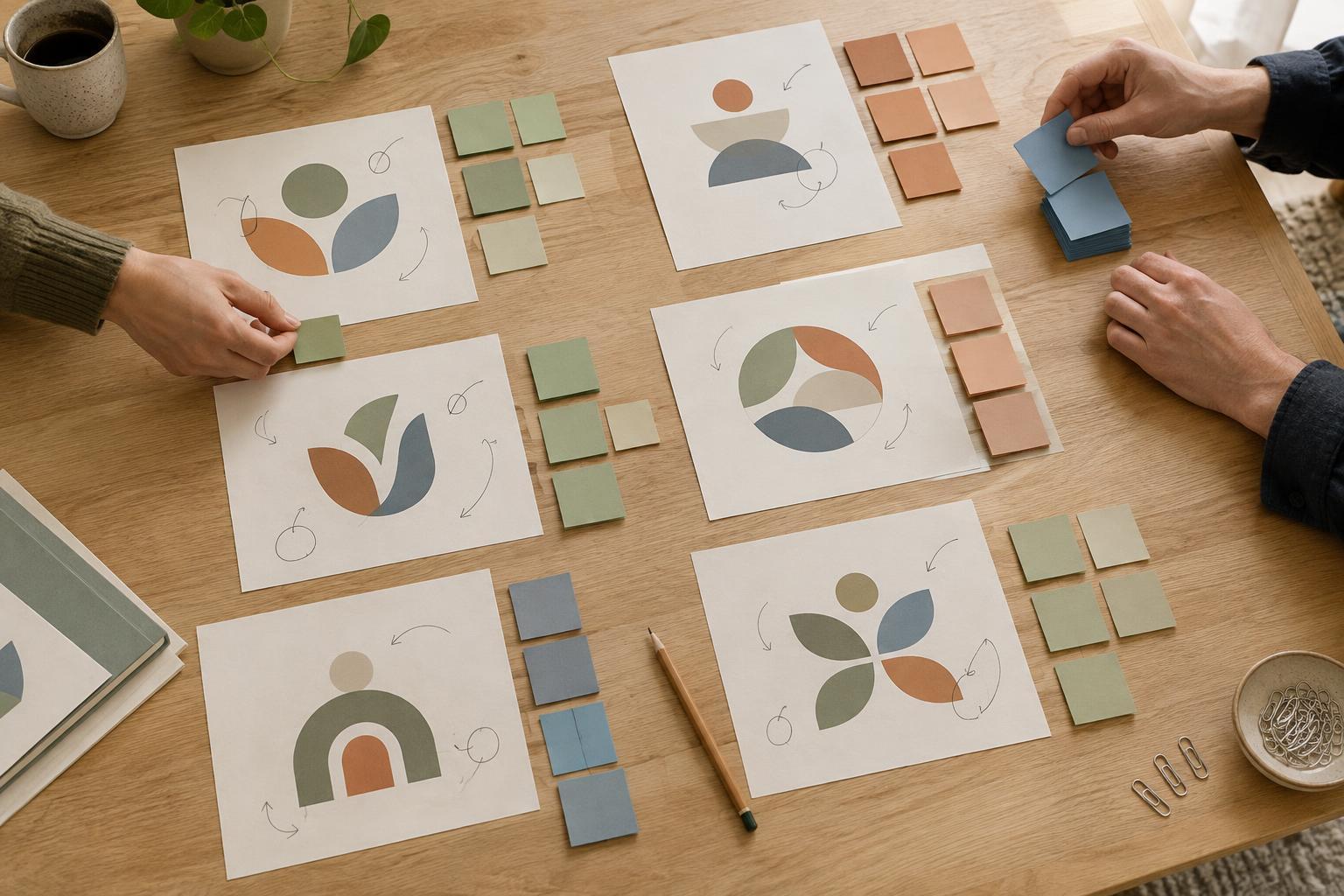
Creative ProjectsFeedback becomes more useful when each project round has a clear purpose. This guide offers a practical way to ask for comments, sort conflicting responses, record decisions and carry the right questions into the next round.
Read article · 4 min↗

Creative ProjectsEarly concepts are easier to discuss when clients know what is being tested, what is still open, and how their input will shape the next round. Use a focused presentation and specific questions to turn first reactions into useful direction.
Read article · 4 min↗

Creative ProjectsA creative idea does not need to be finished before you share it. A small prototype can reveal whether people understand the concept, how they use it and which parts deserve more work. This guide shows how to choose a useful test, build only what you need and turn feedback into a clear next step.
Read article · 4 min↗

Creative ProjectsThe first promising idea is not always the strongest one. Learn a practical way to build distinct creative directions, compare them against a brief, and commit without losing useful work.
Read article · 4 min↗

Creative ProjectsA strong concept starts with a clearer understanding of who it is for and where it will appear. Use a focused research process to explore audience needs, project constraints and the setting in which your work will be seen, then turn what you learn into useful creative directions.
Read article · 4 min↗
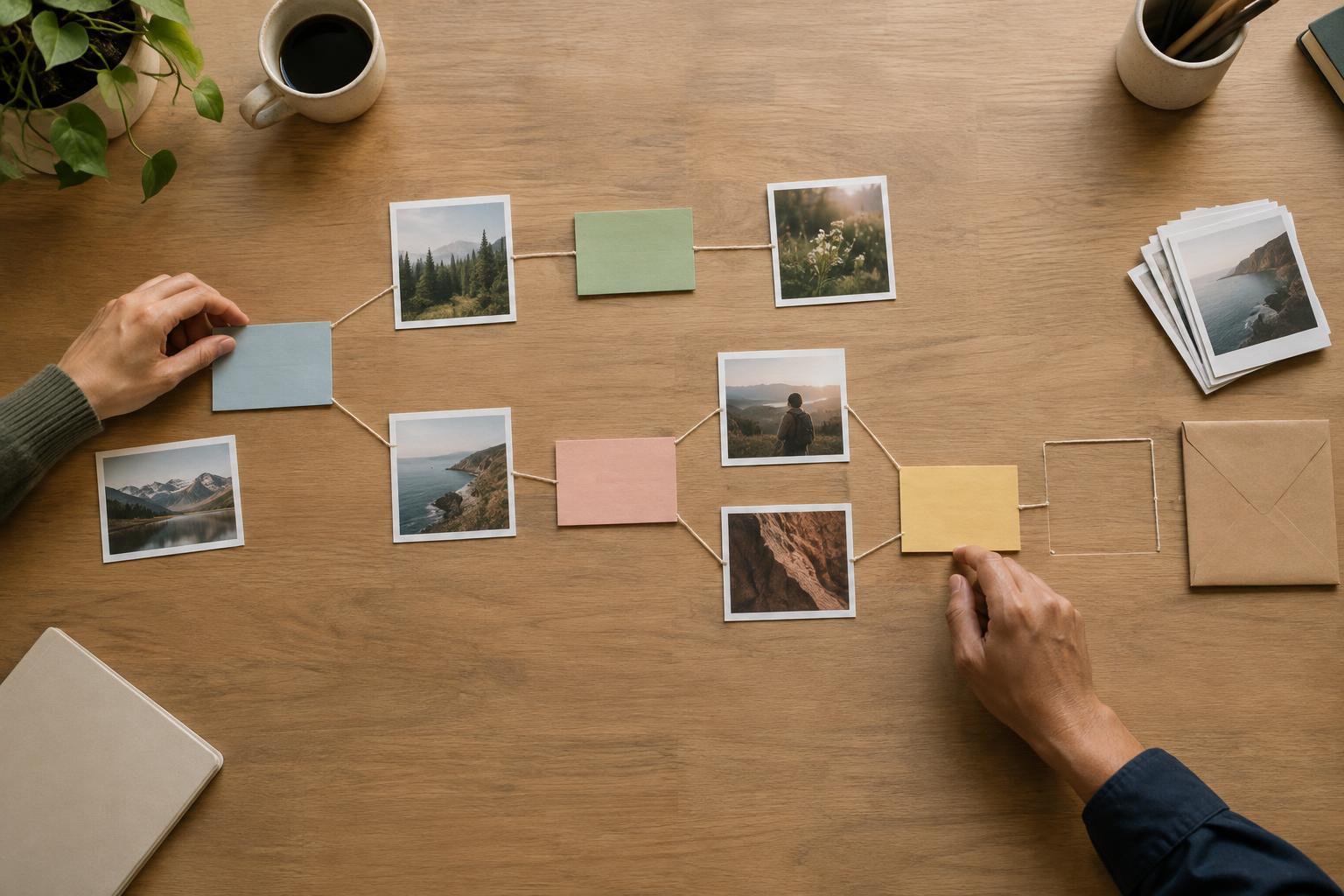
Creative ProjectsCreative projects often slow down because one task is waiting on a decision, asset, approval or person. Learn a simple way to map those dependencies, spot the ones most likely to affect delivery and keep the work moving without sacrificing useful feedback.
Read article · 4 min↗
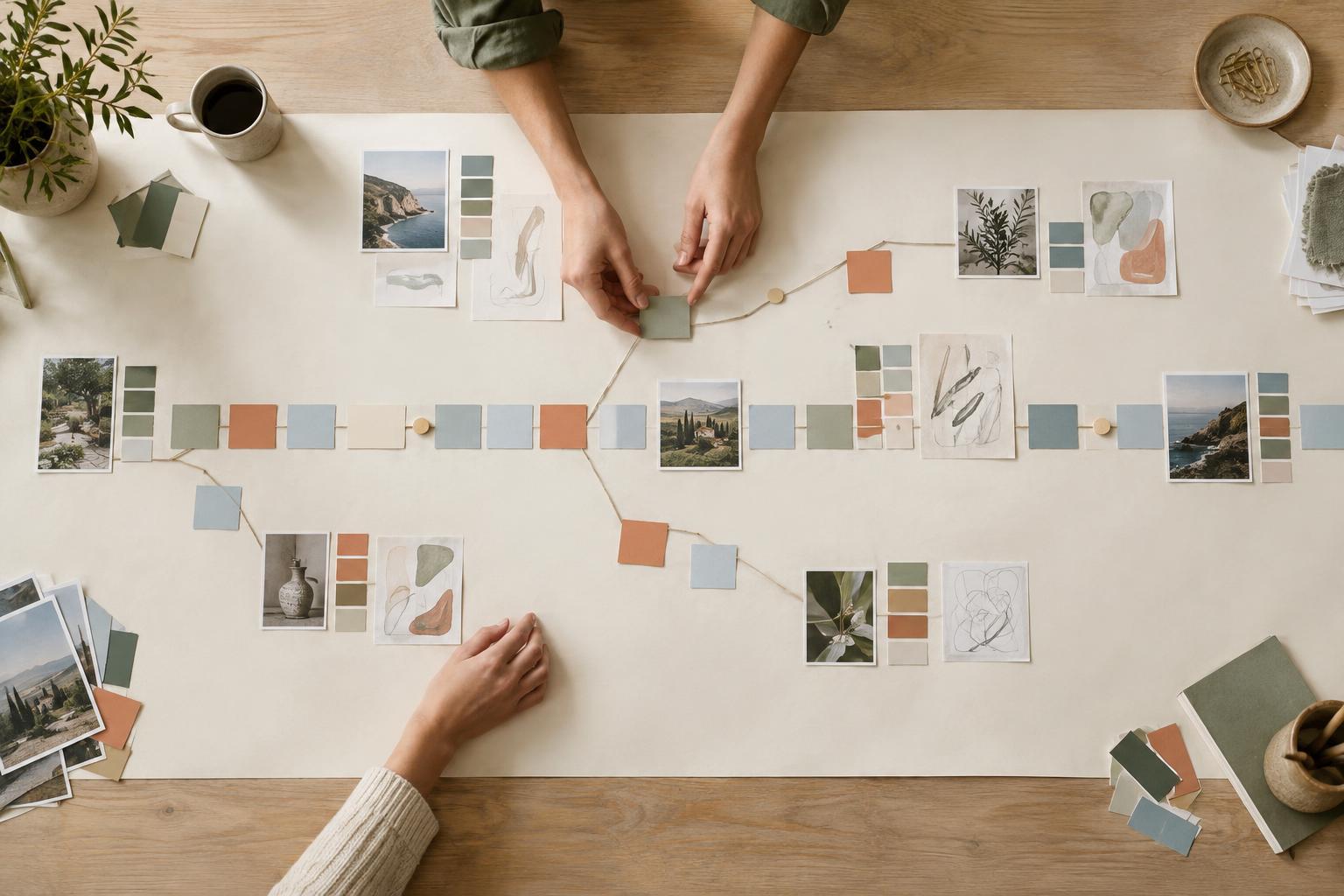
Creative ProjectsA useful creative timeline does more than list deadlines. It shows when decisions need to happen, what each milestone must deliver, and where feedback can improve the work without sending the project back to the beginning.
Read article · 4 min↗
Creative ProjectsA practical method for estimating creative work before every detail is known. Break the project into deliverables, account for feedback and production, and build an estimate that can adapt when the scope changes.
Read article · 4 min↗

Creative ProjectsA client may ask for a fresher look or a more engaging campaign without knowing what needs to change. Use a short discovery process to turn that request into a focused question your team can investigate, answer and review together.
Read article · 4 min↗
Creative ProjectsA useful scope does more than list what a creative team will make. It connects the project’s purpose to specific outputs, decisions, responsibilities and limits. Use this practical process to turn an open-ended brief into a shared plan without closing off creative exploration.
Read article · 4 min↗
Creative ProjectsA useful creative brief does not need to be long. It needs to make the project’s purpose, audience, deliverables and decisions clear enough for the work to begin. This guide offers a practical way to draft one, test it with collaborators and use it throughout the project.
Read article · 4 min↗

Collaboration and WorkshopsA lively workshop is not necessarily an effective one. Learn how to define success before a session, gather useful evidence without interrupting the work, and decide what to do with the results.
Read article · 4 min↗
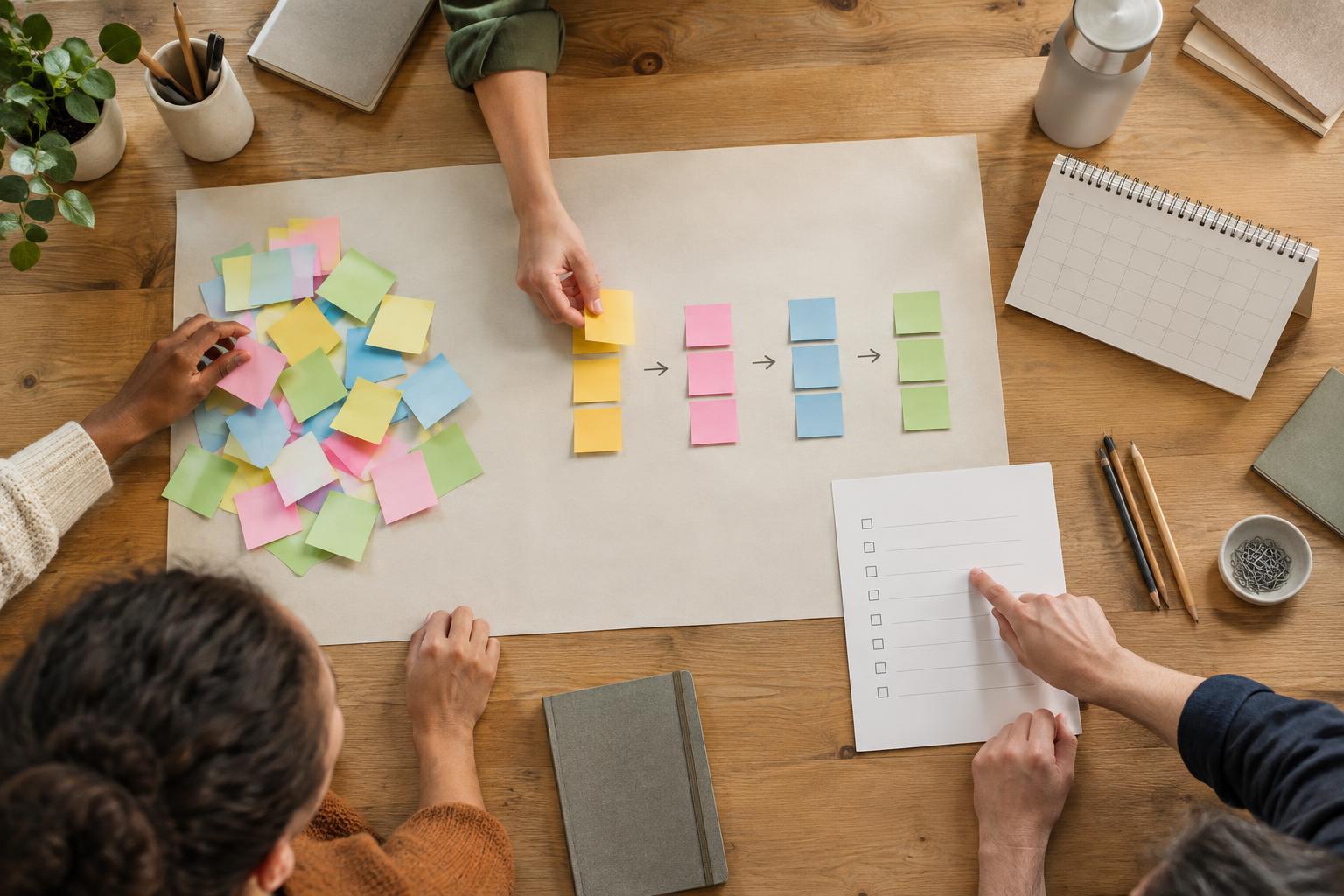
Collaboration and WorkshopsA productive workshop can generate plenty of ideas without making the next step clear. This guide shows creative teams how to sort their notes, define actionable tasks, assign owners, set realistic deadlines and keep the work moving after everyone leaves the room.
Read article · 4 min↗
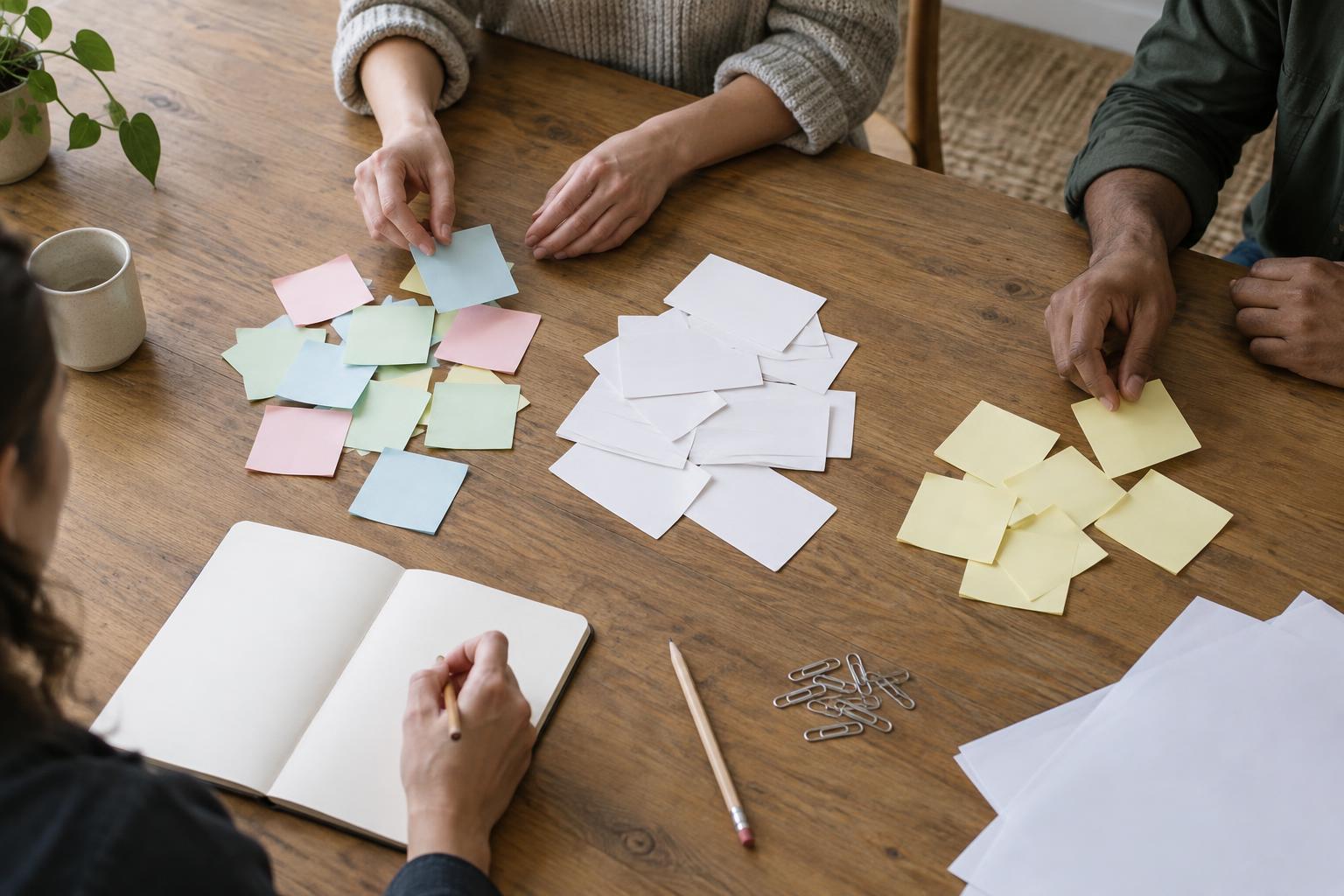
Collaboration and WorkshopsA useful workshop record does more than preserve a wall of sticky notes. Learn how to capture ideas, record decisions with their reasoning, and turn unanswered questions into clear next steps.
Read article · 4 min↗

Collaboration and WorkshopsA practical guide to planning creative workshops that give people different ways to participate, contribute ideas and stay involved. Use it to improve invitations, activities, facilitation and follow-up without expecting participants to disclose personal needs.
Read article · 4 min↗
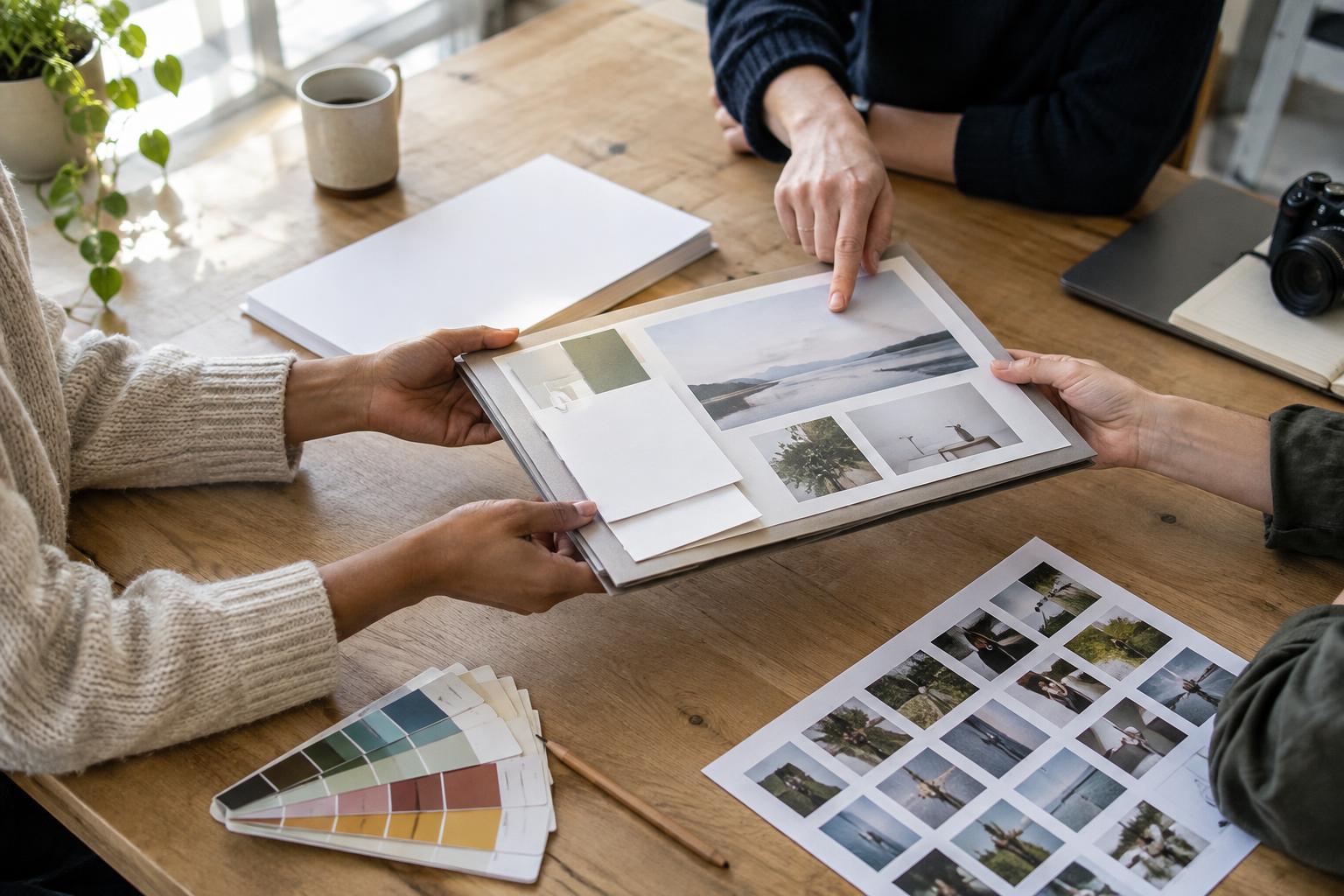
Collaboration and WorkshopsA useful handoff does more than transfer files. Learn how to define decisions, share working context, plan review points and make the next person’s task clear without turning every step into a meeting.
Read article · 4 min↗

Collaboration and WorkshopsA practical guide to planning and facilitating a remote creative workshop. Learn how to prepare a shared visual workspace, give participants clear tasks, make room for different ways of contributing, and turn the session into useful next steps.
Read article · 4 min↗

Collaboration and WorkshopsClient workshops can produce stronger creative work when everyone knows how their input will be used. Here is a practical way to invite collaboration, protect room for design expertise and make decisions without leaving participants guessing.
Read article · 4 min↗

Collaboration and WorkshopsQuieter participants may have useful ideas that a fast-moving discussion never reaches. Use clear decision rules, individual reflection, structured sharing and careful follow-up to make creative workshops more balanced without putting anyone on the spot.
Read article · 4 min↗

Collaboration and WorkshopsCompeting ideas can make a creative project stronger, but only if the team has a way to examine them. Use a clear decision question, shared criteria and small tests to move from personal preference toward a workable choice.
Read article · 4 min↗

Collaboration and WorkshopsA useful design critique helps a team understand what a design is trying to do, test it against agreed goals and decide what to improve next. This guide offers a simple structure for preparing, discussing and closing a critique without turning it into a vote on personal taste.
Read article · 4 min↗
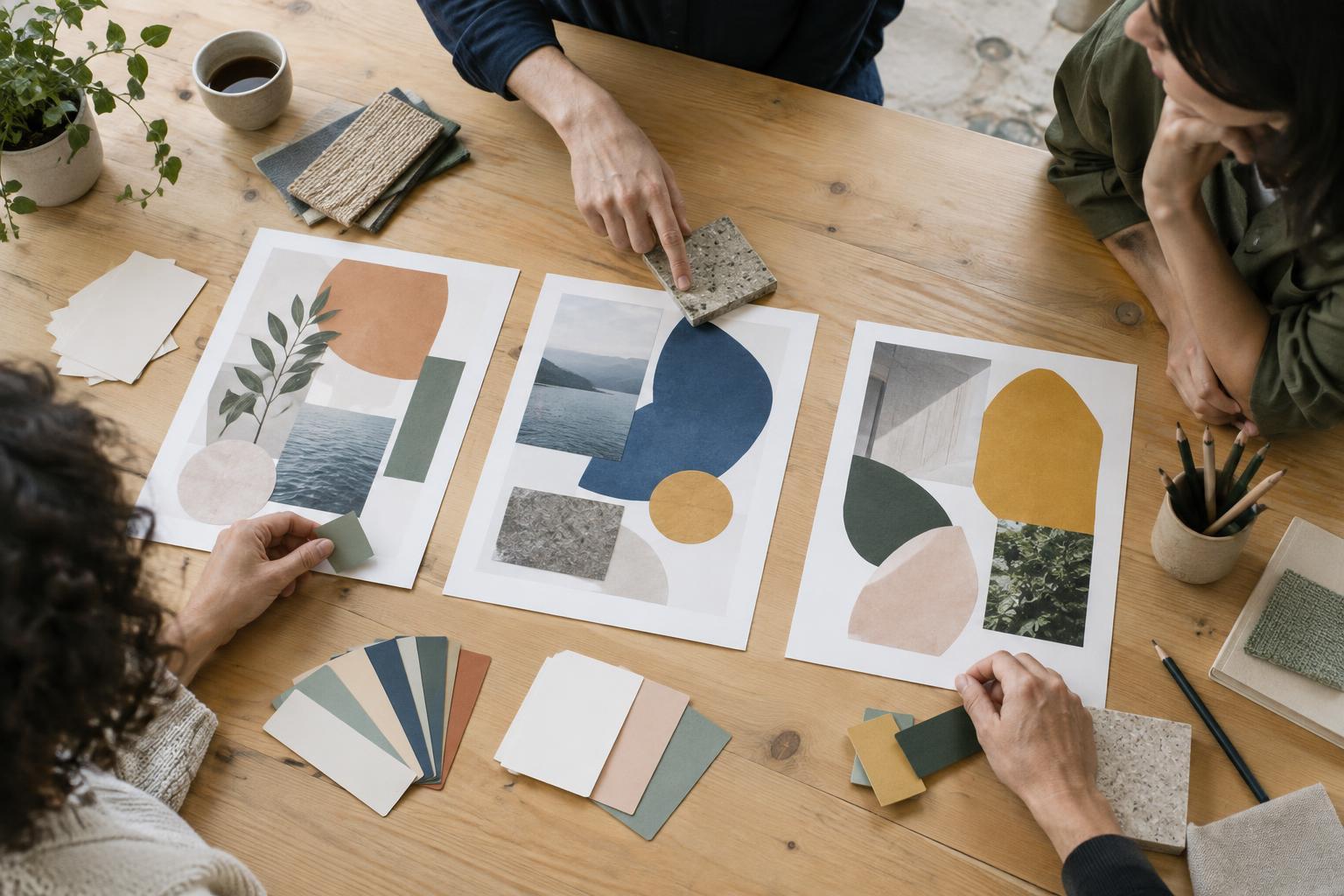
Collaboration and WorkshopsWhen a team has several promising ideas, choosing one can feel like a contest of personal preferences. A short set of agreed criteria makes the discussion more useful. Learn how to define what matters, compare concepts fairly and record a decision the team can act on.
Read article · 4 min↗

Collaboration and WorkshopsGrouping ideas can make a workshop wall easier to understand, but neat themes can hide important distinctions. This guide offers a practical way to cluster contributions while preserving their meaning, tensions and outliers.
Read article · 4 min↗

Collaboration and WorkshopsSilent brainstorming gives everyone room to develop ideas before discussion. Group brainstorming builds on ideas through conversation. Learn when each format helps a creative team, and how to combine them in a practical workshop.
Read article · 4 min↗

Collaboration and WorkshopsA good warm-up does more than fill the first few minutes. Learn how to choose a short exercise that prepares participants for the kind of thinking, conversation or collaboration your workshop needs.
Read article · 4 min↗

Collaboration and WorkshopsCreative discussions work better when people know how ideas will be shared, challenged and recorded. Use a short, practical set of group agreements to make room for different voices without avoiding honest critique.
Read article · 4 min↗

Collaboration and WorkshopsA productive creative workshop begins before anyone enters the room. Learn how to set expectations, prepare an accessible brief, choose useful materials and test the activities so participants can spend their time developing ideas.
Read article · 4 min↗
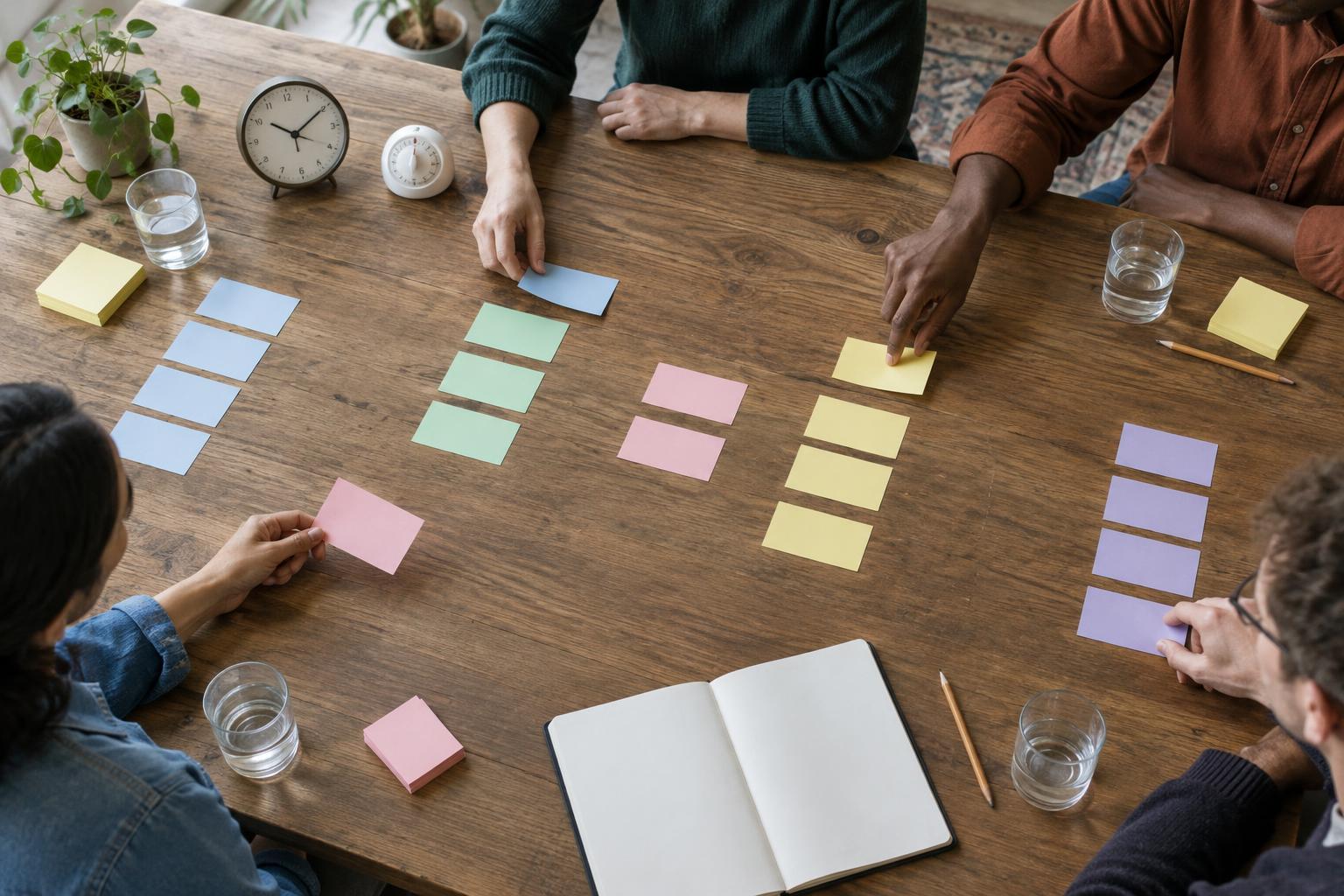
Collaboration and WorkshopsA useful workshop agenda makes room for thinking, discussion and decisions—not just activities. Learn how to work backward from the outcome, estimate each step and protect time for transitions and a clear close.
Read article · 4 min↗

Collaboration and WorkshopsA productive creative workshop needs more than a room full of interested people. Learn how to choose participants for the decisions at hand, clarify what each person is there to contribute, and make a plan for using the work afterward.
Read article · 4 min↗
Collaboration and WorkshopsA good workshop brief does more than announce a meeting. It gives participants a question they can work on, sets boundaries for the discussion and explains what they will produce. Use this practical structure to turn a broad creative challenge into a focused session.
Read article · 4 min↗

Collaboration and WorkshopsA meeting can help a creative team share information and make decisions. A workshop is better suited to developing ideas together. Learn how to choose a format based on the work at hand, then plan a session that produces a useful next step.
Read article · 4 min↗