Notice when the tool is making the decisions
Every medium makes some moves easy and others difficult. A layout application encourages precise alignment. A camera asks you to work with what is in front of you. A sketchbook makes it quick to try an imperfect shape. These qualities can be helpful, but they can also steer a project before you have decided what it needs to communicate.
A useful warning sign is repeated adjustment without a clearer result. You may keep changing type sizes when the message itself is unclear, or keep adding references to a mood board when you need to test a physical arrangement. Another sign is spending more time working around a tool than exploring the idea. Neither means you have chosen the wrong tool forever. It may mean you need a different one for the next step.
Name the question before choosing a medium
Before switching, write down what is unresolved in one sentence. Try a question you can investigate: “Does this identity feel approachable at a small size?” or “What should viewers notice first in this photograph?” Avoid a vague instruction such as “Make it better.” The question helps you choose a medium for what it can reveal, rather than switching simply because the work feels difficult.
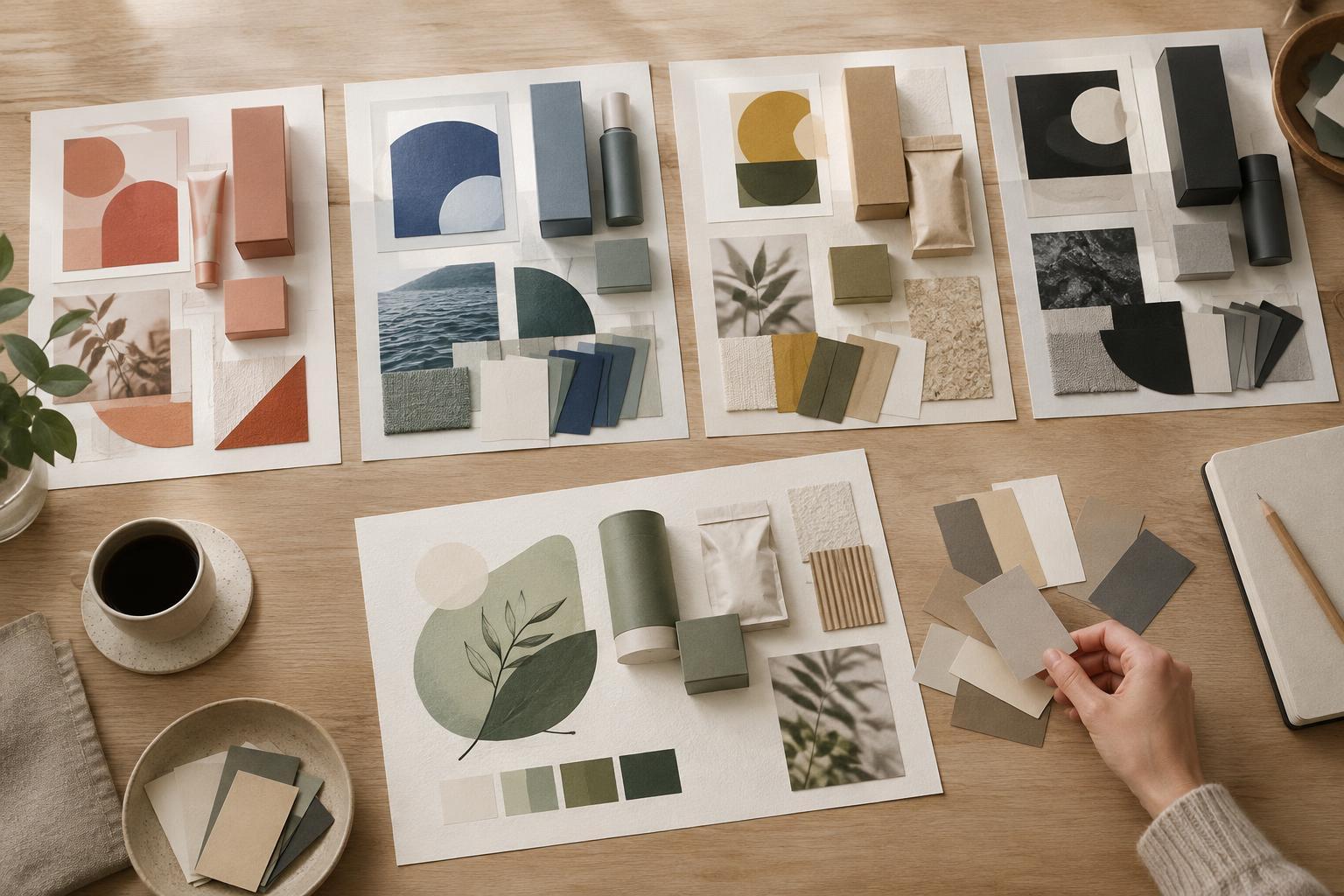
Match the test to the question. If a visual identity feels stiff, quick drawings or cut-paper shapes may reveal more expressive forms than another hour of digital refinement. If a workshop plan is hard to follow, speaking the instructions aloud with a colleague may expose gaps faster than editing the document. If a photograph lacks depth, arranging objects under a desk lamp may teach you more than collecting more screen-based references.
Make a small translation, not a full restart
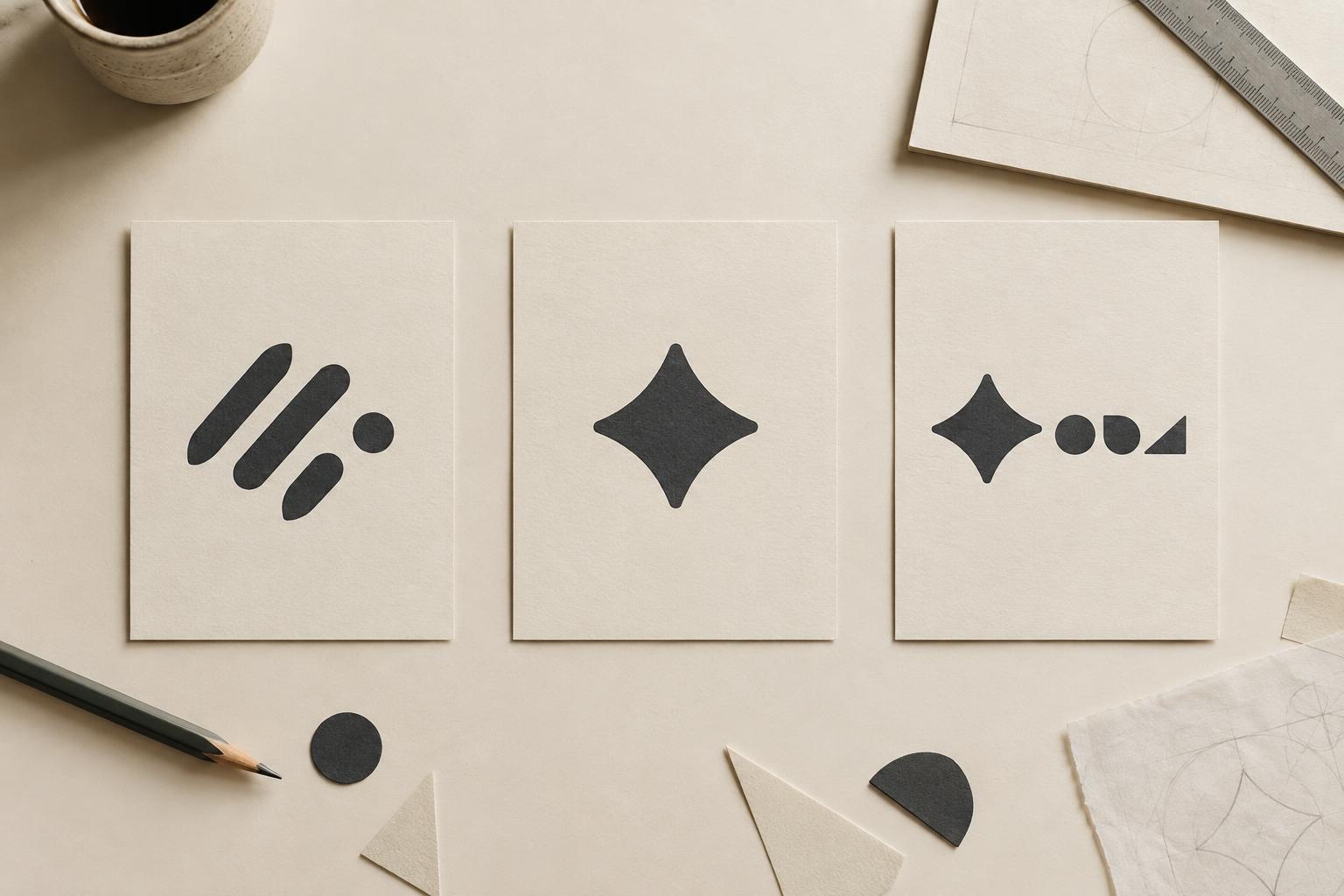
Switching mediums does not require abandoning the work you have done. Carry over one element: a phrase, a shape, a color relationship, a sequence or a constraint. Then give yourself a short, bounded task in the new medium. For example, take a digital logo concept and draw ten versions using only one continuous line. The point is not to produce a finished logo. It is to see which features remain recognizable when precise controls disappear.
Keep the test simple enough to compare with your starting point. A designer planning a set of social images might first describe the idea in three plain sentences, then make a rough paper storyboard. The writing can expose a weak message; the storyboard can expose a weak sequence. Together, they show what to revise when the designer returns to the image-making tool.
Use the medium that exposes the right kind of friction
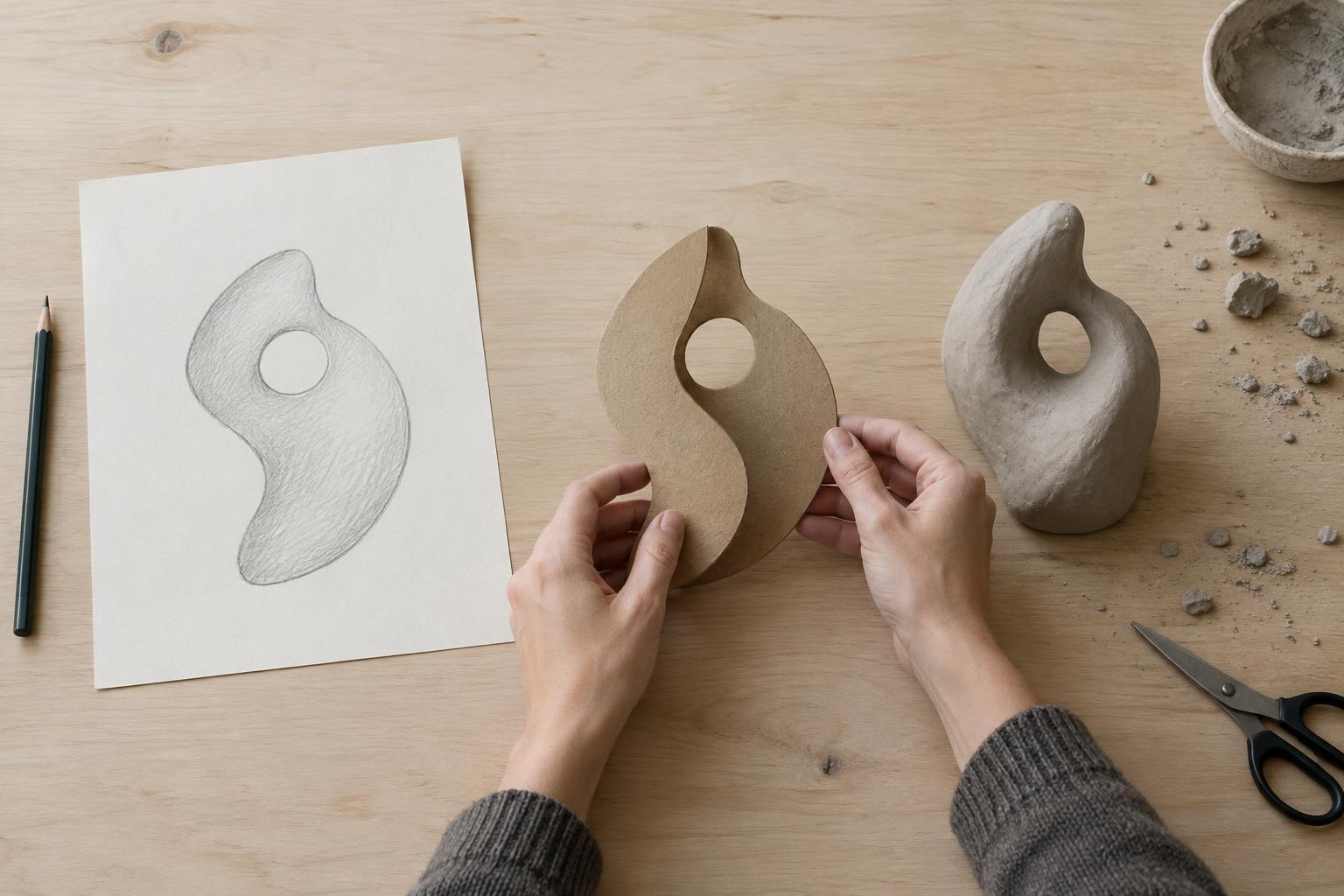
Different mediums reveal different problems. Writing is useful for testing whether an idea can be explained. Sketching is useful for exploring variation without committing to polish. Photography can test how a concept behaves with real light, scale and surroundings. A physical mock-up can make an interaction easier to judge, while conversation can reveal where collaborators understand the same prompt differently. Choose the medium that brings the uncertainty into view.
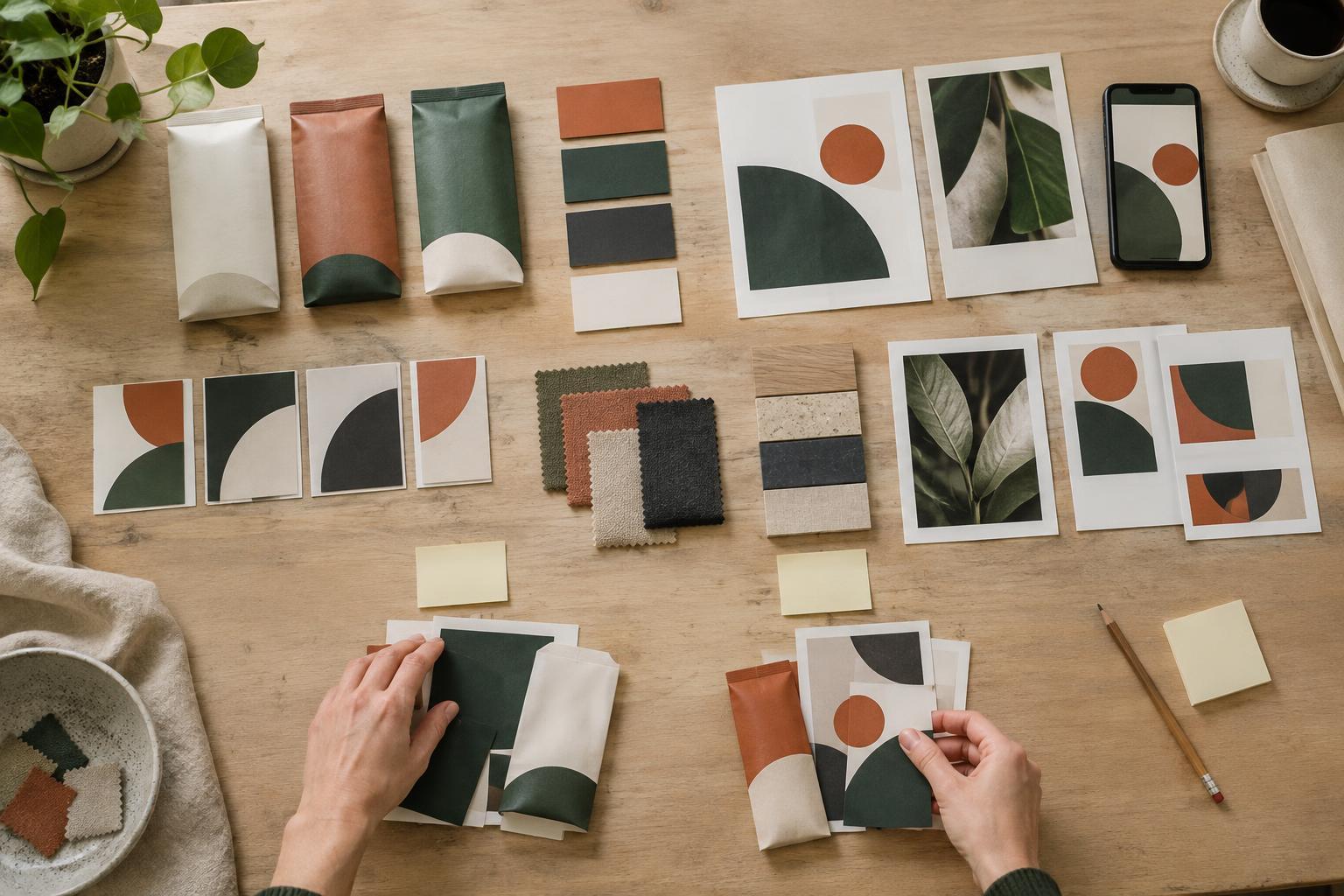
For instance, imagine a small team developing packaging for a handmade product. They may have a polished flat design but cannot tell whether its opening feels intuitive. More screen mock-ups might improve the graphics without answering that question. Folding a rough version from ordinary paper gives the team something to hold and open. They can then return to the digital file with a more specific design task: make the opening clear without relying on a written instruction.
Return with a decision, not just more material
After a test, ask what changed. Did the new medium reveal a stronger direction, expose a missing step, or confirm that the original approach works? Record one observation and one next action. “The hand-drawn shapes feel warmer; test two of them at small sizes” is more useful than saving a pile of experiments and moving on. If the test raises a new question, choose another small test rather than expanding every promising variation at once.
It is also reasonable to stay with your current tool when the problem is simply that the work needs careful execution. Switching helps when it makes an uncertainty easier to examine; it can become avoidance when it repeatedly replaces a decision you are ready to make. Treat mediums as ways to think, not as competing camps. The best one for a project may change from hour to hour as the question changes.