Start with the reason the series exists
A series might be a set of illustrated posts, a collection of short videos, a sequence of posters or a recurring feature for a publication. Before designing the first piece, write down what connects the pieces beyond their appearance. Are they answering a common question, showing different uses of a product or documenting a place over time? That shared purpose gives you a basis for deciding what belongs in the series.
Then describe who each piece is for and where people will encounter it. A series viewed one item at a time needs each piece to make sense on its own. A series displayed together can rely more on comparisons between pieces. Write a one-sentence promise, such as “Each piece shows one practical way to reuse a familiar material.” If an idea does not serve that promise, it may be better as a separate project.
Separate the fixed elements from the flexible ones
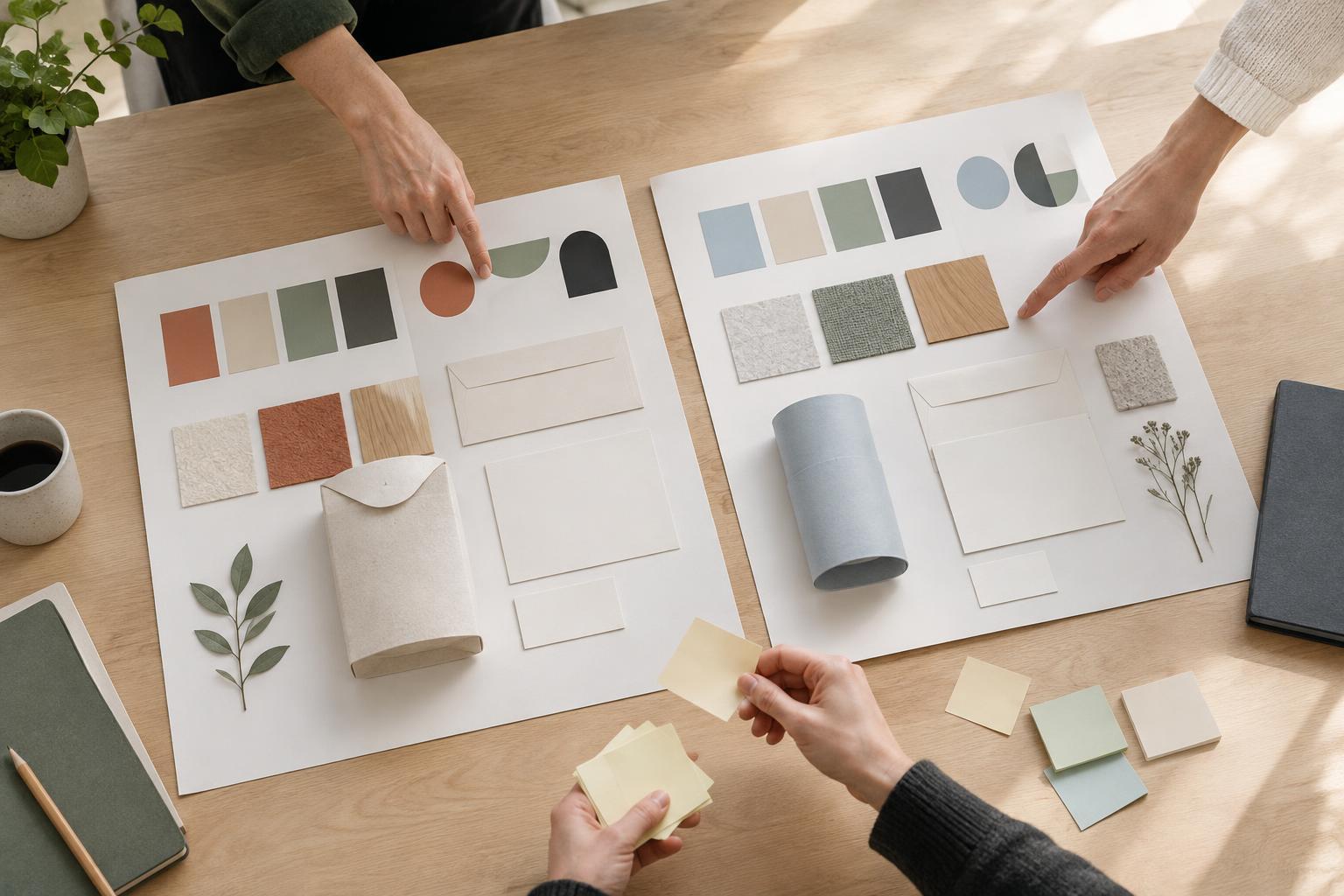
A repeatable format is not a template that makes every result identical. It is a set of decisions you do not need to remake each time. List the elements that should remain stable: perhaps the dimensions, opening question, image treatment, type hierarchy or length. Next, list the elements that can change: the subject, colour accent, example, contributor or point of view.
Keep this list short enough to use while making the work. For an illustrated advice series, the fixed elements might be a single question at the top, one central drawing and a brief takeaway at the bottom. The changing element is the situation each drawing depicts. If everything is fixed, the series can become repetitive. If almost nothing is fixed, viewers may struggle to recognise the pieces as related.
It also helps to name one rule the series should never follow. For instance, you might decide not to fill empty space with decoration when the subject is simple. A boundary like this can protect the character of the work more effectively than adding another detailed instruction.
Make three deliberately different examples
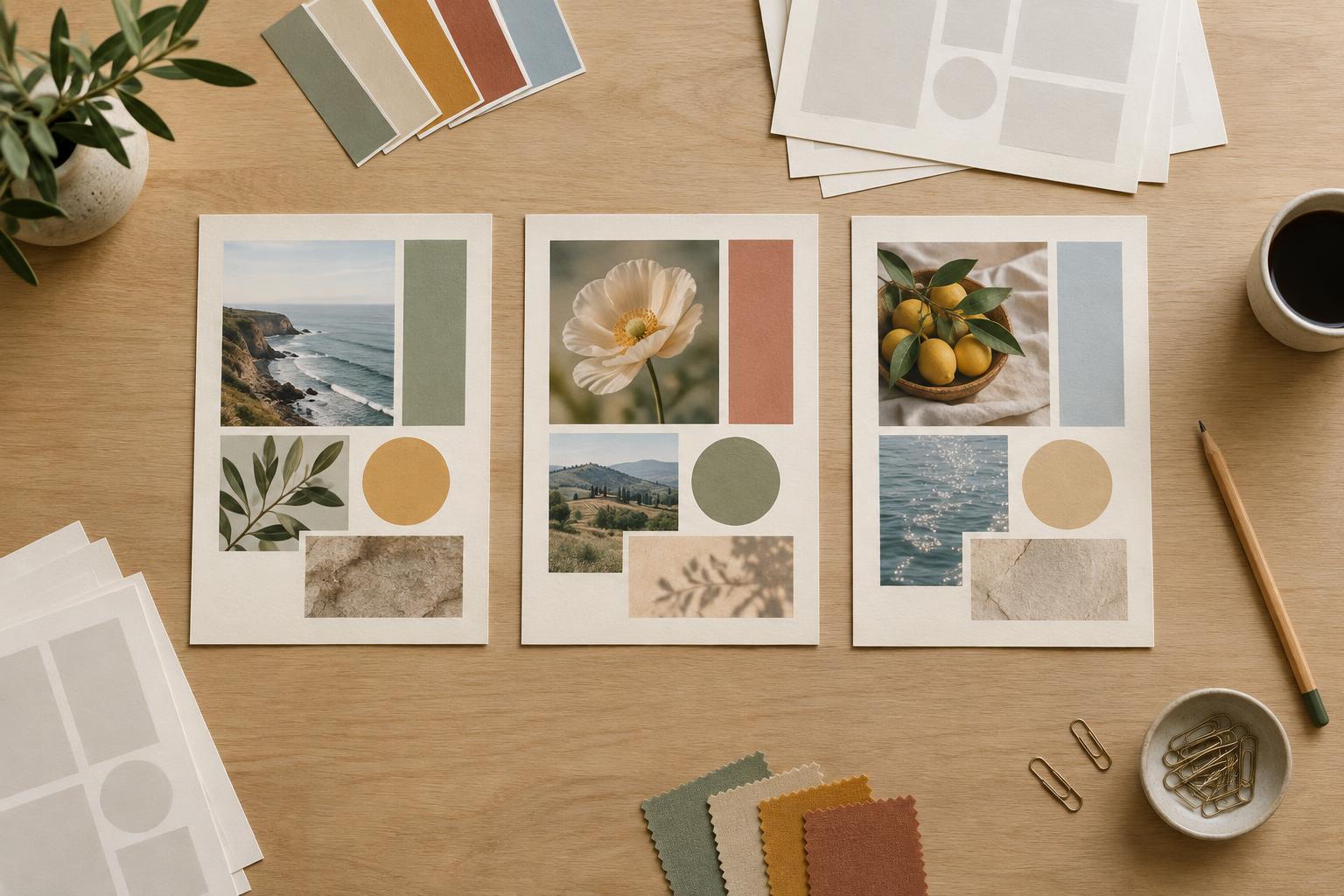
Before committing to a full run, make three examples using the same proposed format. Choose subjects that place different demands on it: one straightforward, one visually complex and one that feels slightly outside the obvious range. This reveals whether the structure is genuinely reusable or merely suited to your first idea.
Place the examples side by side and ask two questions. Can someone recognise that they belong together without reading a project description? Can they tell what is distinct about each one? If the answers are no, adjust the balance between fixed and flexible elements. You might keep the layout while allowing more variation in imagery, or keep a consistent image style while simplifying the layout.
Pay attention to the work required, too. A format that looks efficient may depend on finding a particular kind of photograph or writing a difficult headline every time. Record these points of friction while the examples are fresh. They are useful clues about what to simplify before the series grows.
Turn the format into a workable production guide
Write a compact guide that another team member—or your future self—could follow. Include the purpose of the series, its fixed and flexible elements, the usual order of work and a finished example. Add practical specifications only where they prevent repeated uncertainty, such as file dimensions, naming conventions or the amount of text that comfortably fits.
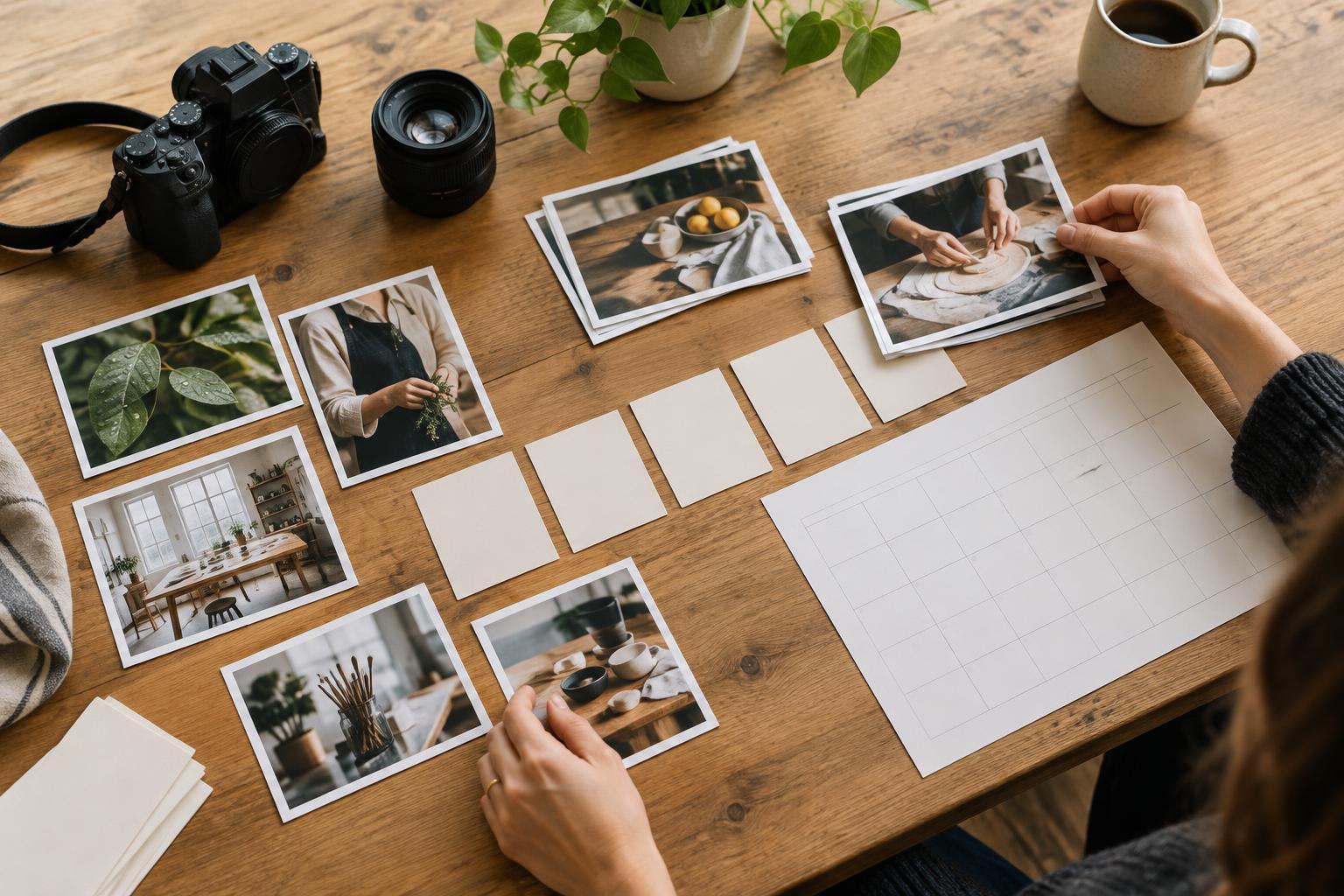
A simple production sequence might be: select a subject, write its central point, gather or create the visual material, assemble a draft, check it against the series promise and prepare the final files. Identify which decisions need a review and which can be made by the person producing the piece. This keeps a recurring project from requiring a fresh discussion at every step.
Avoid documenting every accidental choice from the first example as a permanent rule. If a detail does not help someone make the next piece, it probably does not belong in the guide.
Review the pattern without freezing it
After several pieces, look at the series as a group. Notice which elements make it recognisable, which vary in useful ways and which have become mechanical. Check whether individual pieces still deliver the original promise. A consistent appearance is valuable only if the work itself remains clear and relevant.
When you change a rule, note what changed and why. You may find that a shorter introduction makes each piece easier to use, or that a wider range of imagery better serves the subjects. Treat the format as a tool for making good work repeatedly, not as a rulebook that prevents the series from developing.