Treat a prompt as a starting point, not a solution
A creative prompt is a question or instruction that helps you approach a problem from a different angle. It might ask a designer to express a brand without using its usual colors, or invite a photographer to tell a story through objects rather than people. Its purpose is to generate material worth examining, not to deliver a finished answer on demand.
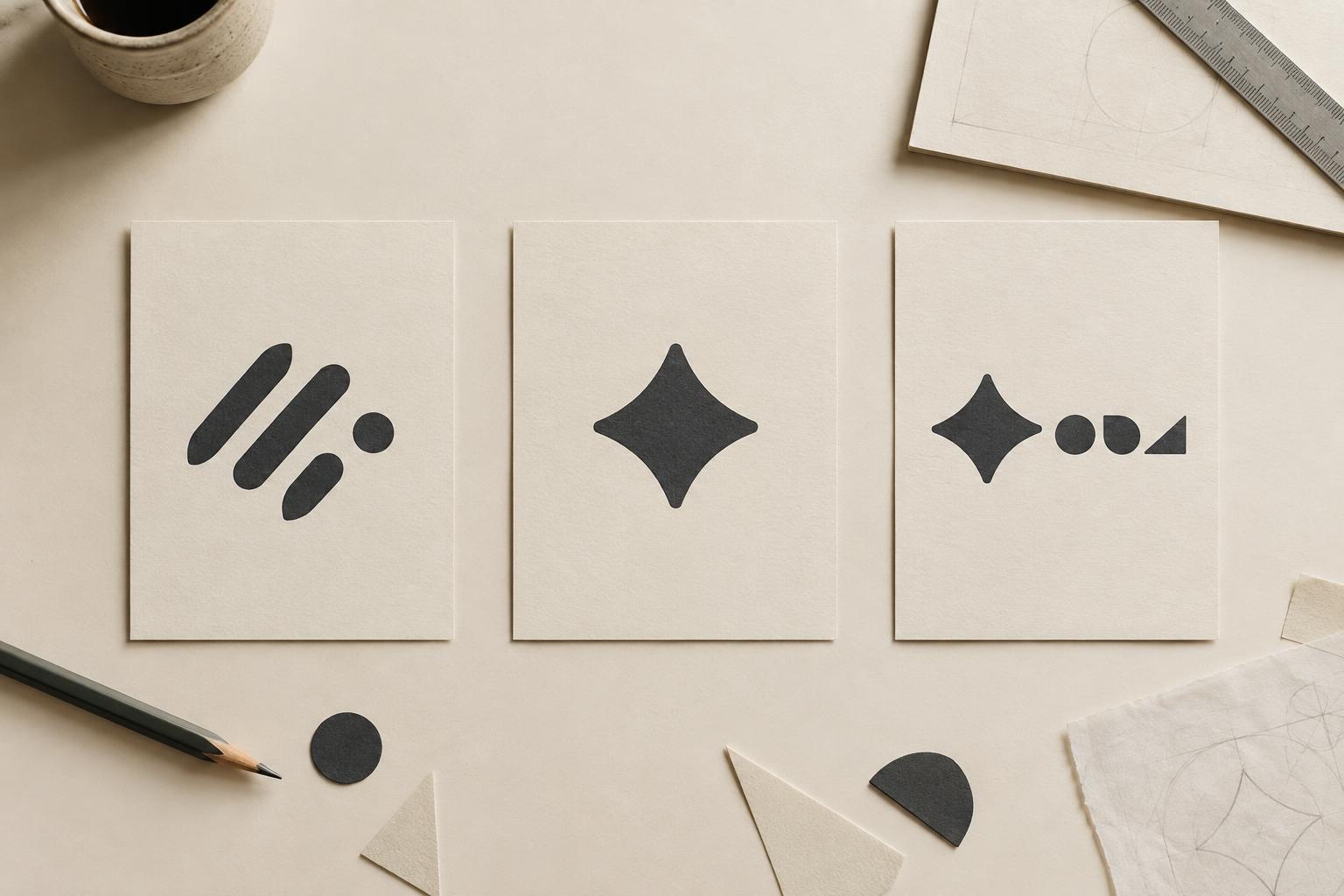
A common mistake is to expect the first response to be original and ready to use. When it is not, the prompt gets dismissed. Instead, set a short exploration window and produce several responses before choosing one. For a visual identity project, you might spend ten minutes sketching five ways to represent “connection” without drawing linked circles. The sketches can be rough. Their value lies in revealing options you would not have noticed by polishing the first idea.
Replace vague requests with a useful frame
“Make something bold” leaves too much undefined. Bold could mean high contrast, an assertive message, an unusual format or a strong editorial point of view. Without a shared frame, collaborators may work in different directions and struggle to explain their choices afterward.
Start with the project aim, the audience and one concrete action. For example: “Create three cover concepts for a neighborhood workshop guide. Each should make a first-time visitor feel welcome, using typography as the main visual element.” This gives people enough direction to begin while leaving room for interpretation. If a prompt feels flat, add one productive constraint: use only two type sizes, avoid photographs or build a layout from a single repeated shape. Choose constraints that expose possibilities, not restrictions added for their own sake.
Avoid prompts that quietly decide the answer
Prompts can seem open while pushing everyone toward one solution. “How can we make the logo more playful?” assumes that playfulness belongs in the identity and that the logo is the right place to express it. This can narrow a project before the team has agreed on the actual problem.
Try separating observation from proposed remedy. Ask, “Which parts of the identity feel distant to the intended audience?” Then explore several ways to change that impression through language, imagery, color or composition. In a workshop, ask participants to write one assumption behind each prompt before they begin. If the assumption is uncertain, turn it into a question. This small check can prevent a lively exercise from producing many variations of the wrong idea.
Give exploration and evaluation different moments
Another mistake is to critique every response as soon as it appears. Immediate judgment can make participants favor familiar, easy-to-defend ideas. On the other hand, generating ideas indefinitely without reviewing them produces a pile of material with no clear next step. Both problems improve when you give exploration and evaluation separate time.
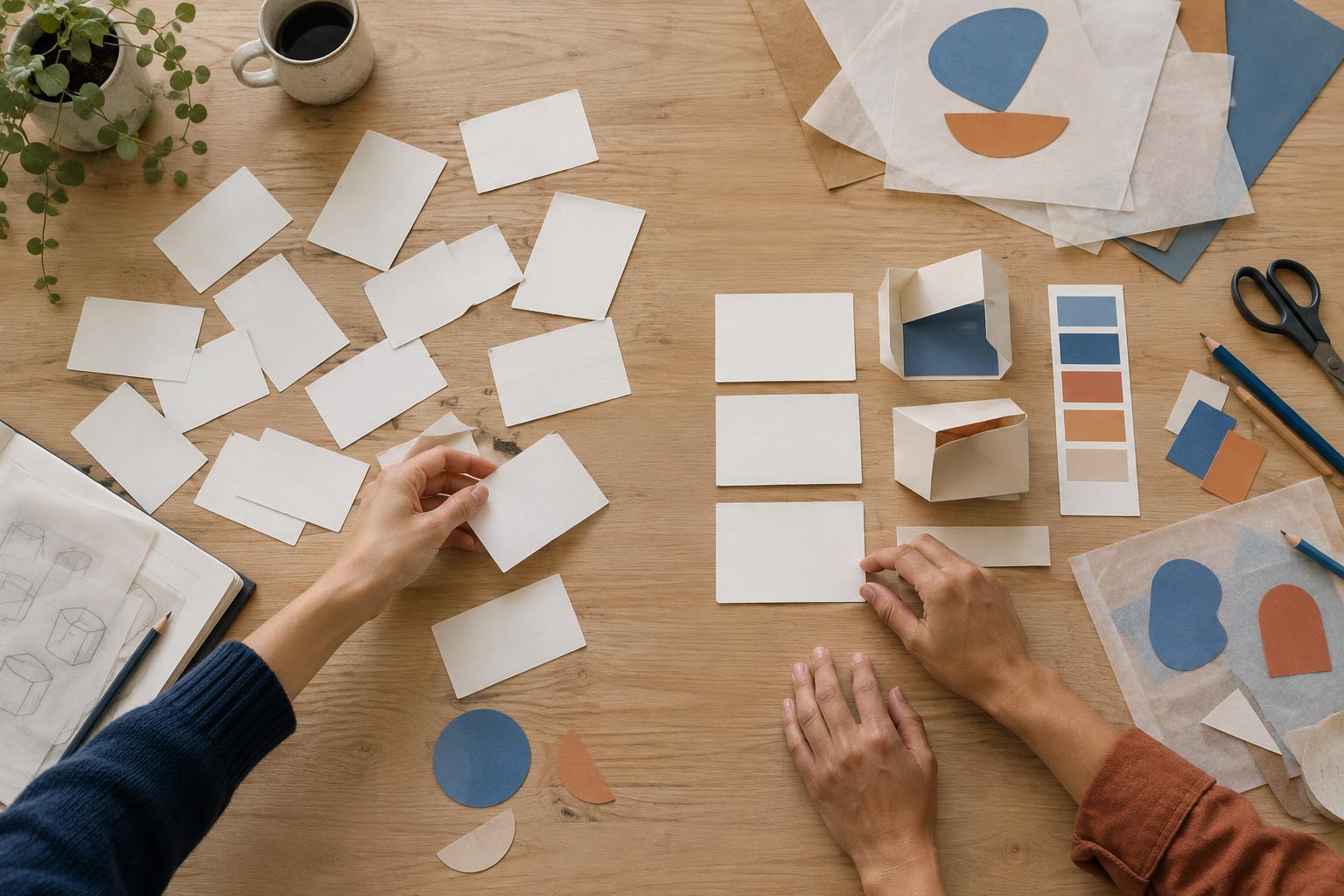
For a 30-minute session, spend five minutes explaining the brief and prompt, ten minutes making individual responses, ten minutes sharing them without debate, and five minutes selecting directions to test. During the share, ask each person to describe what they tried rather than sell it. During selection, use criteria tied to the project: Does the idea serve the audience? Is it distinct from existing work? Can the team develop it with the available time and materials? These questions make feedback more useful than a quick vote for a favorite.
Carry the useful part into the real project
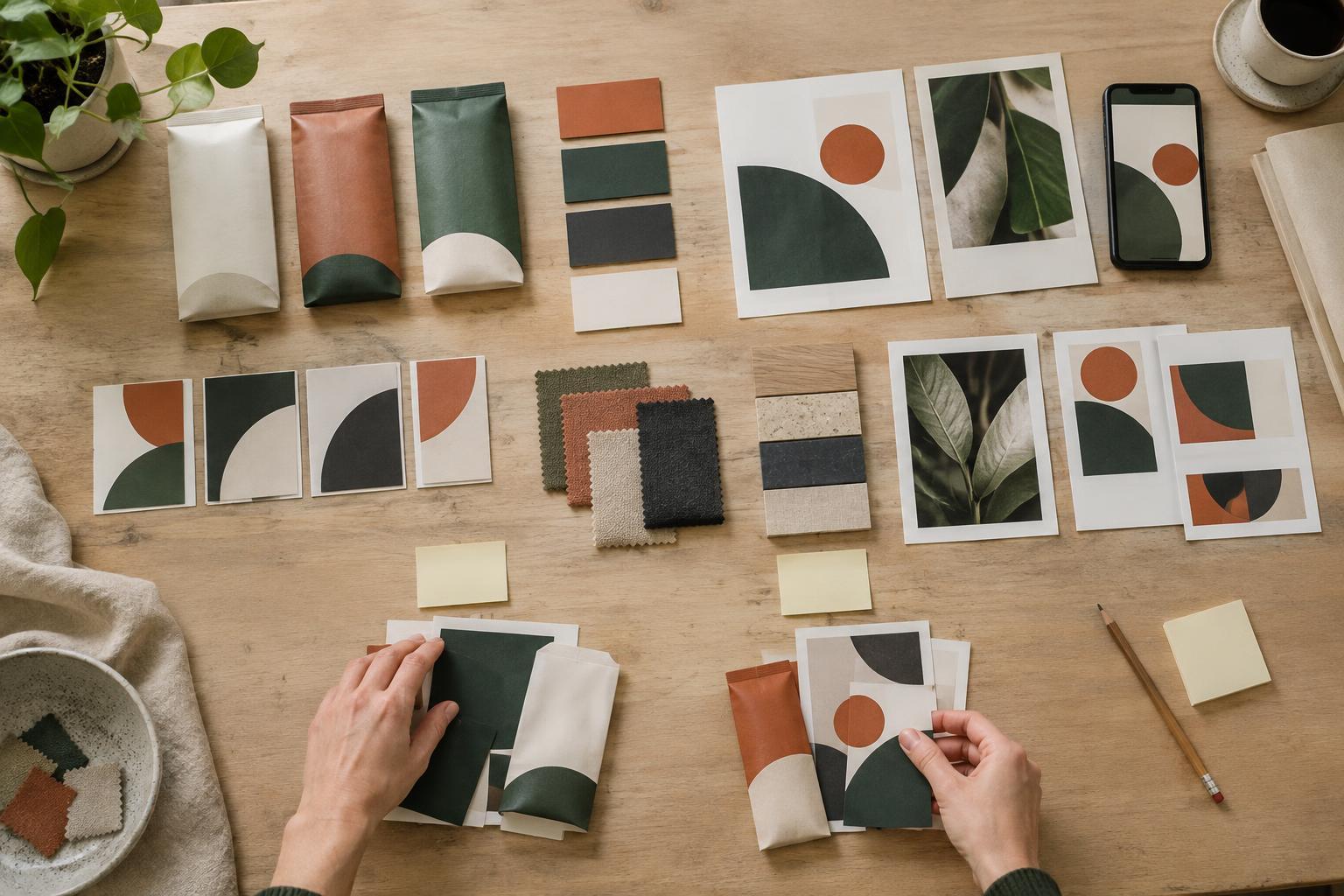
Prompt exercises often end with interesting sketches that never influence the work. Before closing a session, name what each promising response has uncovered. A photograph made under a “show absence” prompt might suggest a quieter composition. A deliberately formal headline might reveal that the brand needs clearer language, even if the headline itself is unusable.
Choose one or two responses to develop, and write a next action for each. That could mean testing the composition at the required size, applying a visual approach to three different pieces of content, or showing two alternatives to a colleague unfamiliar with the project. Keep a brief note of the prompt, the response and the reason it was selected. Over time, those notes can show which kinds of questions help your practice and which ones merely produce novelty. A useful prompt does not need to create the final idea; it needs to help you make a better next decision.